Fortifying the Immune System - Diet and Supplements
Smart Voice
AITable of Contents 16
This article is professional premium content (PRO) provided in its entirety.
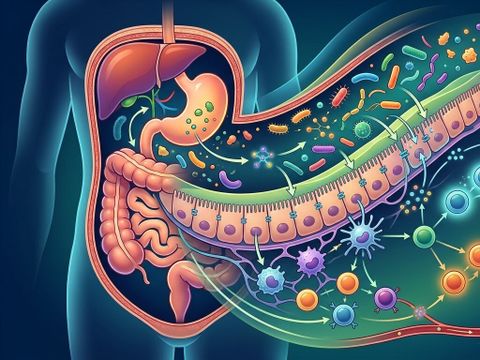
The body’s defense mechanisms: how the immune system operates and what shapes its efficacy
Human immune system defense mechanisms and their role in infection prevention and combat
Sleep disturbances and their impact on immune function: Why nocturnal regeneration is critical for immunological health
Psychophysiological tension and its impact on bodily equilibrium
Physical movement: a foundational component in enhancing the body’s immune defense mechanisms
Bioactive omega-3 polyunsaturated fatty acids and their corresponding salt derivatives
Natural bee honey – a treasure trove of immune-boosting nutritional compounds
Common garlic (*Allium sativum*) and bulb onion (*Allium cepa*) – broad-spectrum natural antibiotics
Rosehips: A Naturally Concentrated Reservoir of Vitamins and Antioxidative Compounds
Fermented Vegetables – A Natural Powerhouse of Probiotics and Essential Vitamins
Live microbial supplements for health maintenance: mechanisms, clinical applications, and evidence-based efficacy
Lactoferrin and its halogenated analogs: biochemical properties, immunological functions, and therapeutic potential
L-Ascorbic acid and its saline derivatives for dietary supplementation
An essential trace element for immune function: Zinc and its role in bolstering the body’s natural defense mechanisms
Cholecalciferol (vitamin D₃) and its bioactive forms: immunological regulatory mechanisms
The biologically active form of vitamin D—calcitriol (1,25-dihydroxycholecalciferol)—exerts a well-documented modulatory effect on key immune cell subsets, including polymorphonuclear neutrophils, monocyte-derived macrophages, and natural killer (NK) cells. Comprehensive meta-analyses demonstrate that maintaining serum 25-hydroxyvitamin D concentrations within the optimal range (30–50 ng/mL) is associated with a paradigm shift in cytokine polarization: a downregulation of Th1-associated pro-inflammatory mediators (e.g., interferon-γ, interleukin-2) concomitant with an upregulation of Th2-type responses (interleukin-4, interleukin-10), suggesting a hormone-mediated rebalancing of immune homeostasis.
Large-scale epidemiological investigations have established a robust correlation between vitamin D insufficiency (serum 25(OH)D <30 ng/mL) and heightened susceptibility to recurrent viral respiratory tract infections—most notably those caused by respiratory syncytial virus (RSV), which in infants and young children frequently progresses to severe bronchiolitis with wheezing and lower airway obstruction. Targeted vitamin D supplementation in high-risk populations (e.g., the elderly, individuals with chronic obstructive pulmonary disease) may therefore represent a viable immunoprophylactic strategy to mitigate infection severity and frequency.
Cod liver oil (traditional fish oil)
Want to apply these guidelines in your daily diet?
Our smart diet generator creates a tailored meal plan in 3 minutes based on the recommendations in this article.
Tags

Fiedoruk Ł., Mazik M., Pastwa M., Encyklopedia ziół, Bielsko Biała 2012. Żywienie Człowieka. Podstawy nauki o żywieniu, pod red. Gawęckiego J., Warszawa 2010. Szachta P., Laktoferyna – panaceum na infekcje?, „Food Forum” 2016, 5(15), 44–50. Roszak D., Budowanie odporności dzieci w okresie jesienno-zimowym, „Food Forum” 2017, 6(22), 56–60.
Diets Premium Expert
Diets Premium team expert. Specializes in nutrition plans, strength sports, and training plans.