Fenugreek – Medicinal Effects, Side Effects. How to Use Fenugreek?

Smart Voice
AITable of Contents 5
Fenugreek (Trigonella foenum-graecum) – a Mediterranean herb with nutritional and therapeutic potential
Therapeutic applications of fenugreek (*Trigonella foenum-graecum*) in natural medicine and hair care
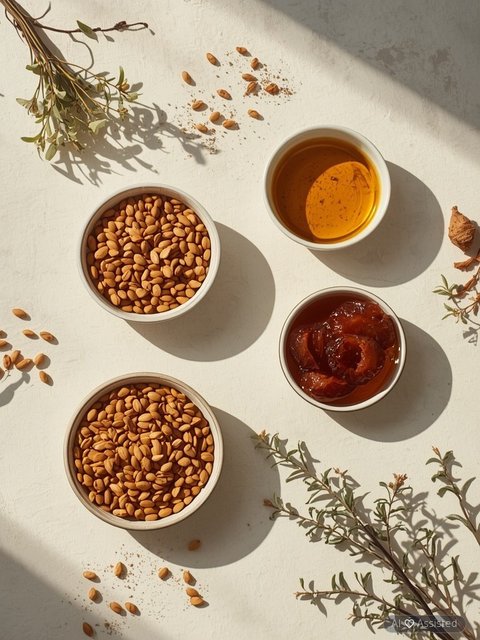
The seeds of fenugreek (*Trigonella foenum-graecum*) represent a rich source of bioactive compounds, including mucilaginous polysaccharides, flavonoid polyphenols, steroidal saponin glycosides, phytosterols (such as β-sitosterol), pyrrolizidine alkaloids, and a complex of B vitamins. Its medicinal properties have been recognized since antiquity, with documented use in Ayurvedic medicine, Traditional Chinese Medicine (TCM), and by ancient Greek and Roman physicians. Today, fenugreek is widely employed in dietary therapy, systemic phytotherapy, and cosmetic dermatology. Among its most significant therapeutic actions are:
• Glycemic regulation: reduction of blood glucose levels by enhancing tissue insulin sensitivity, making it a valuable adjunct in the management of insulin resistance and type 2 diabetes mellitus; • Appetite stimulation: activation of hypothalamic hunger centers, utilized in the treatment of eating disorders such as anorexia nervosa; • Digestive support: carminative (anti-flatulent) and mild laxative effects due to soluble fiber content, beneficial for chronic constipation and irritable bowel syndrome; • Anti-inflammatory and wound-healing properties: topical application of seed poultices accelerates granulation tissue formation in cases of leg ulcers, furuncles (boils), and post-traumatic edema; • Expectorant and demulcent actions: soothing irritation of the mucosal lining in the throat and bronchi during upper respiratory tract infections; • Lactation enhancement: increased milk production in nursing mothers through modulation of prolactin, the lactogenic hormone; • Antiproliferative effects: potential reduction in colorectal cancer risk due to diosgenin content—a phytoestrogen with documented cytoprotective properties; • Immune modulation: strengthening of defense mechanisms against bacterial and viral pathogens via the immunomodulatory effects of polyphenols; • Neuroprotection: potential deceleration of neurodegenerative disease progression, such as Alzheimer’s disease, through inhibition of beta-amyloid accumulation.
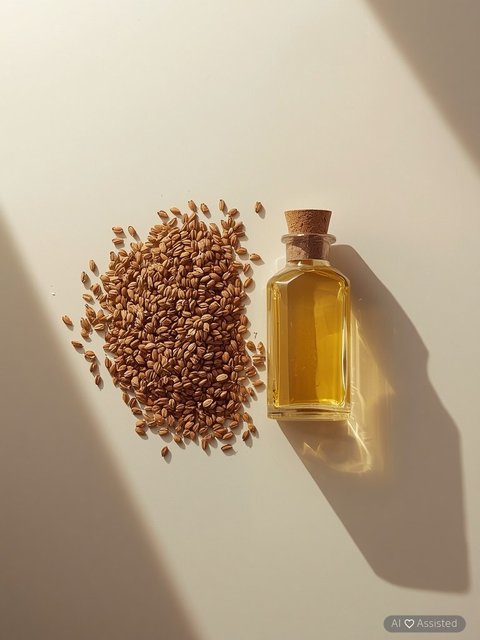
In cosmetology, fenugreek has gained prominence primarily as a hair-root-strengthening agent and inhibitor of hair loss. Regular application of an aqueous seed extract (3 tablespoons of ground seeds steeped in 150 ml of boiling water, simmered for 10 minutes, cooled, and strained) massaged into the scalp for 2 hours prior to washing—performed once weekly—may yield visible improvements in hair density within 4–6 weeks of consistent use. However, it is important to note that the extract’s distinctive, earthy odor may persist in the hair for several days, making treatment most practical on non-working days. The prepared mixture can be stored in an airtight container in the refrigerator for up to 7 days, provided there are no visible signs of spoilage (discoloration, sediment formation, or off-odors).
Natural fenugreek-based remedy for hair strengthening and loss reduction
Comprehensive guide to utilizing fenugreek seeds in culinary and cosmetic applications
Fenugreek Seed: Adverse Reactions and Health Risks Associated with Excessive Intake
Want to apply these guidelines in your daily diet?
Our smart diet generator creates a tailored meal plan in 3 minutes based on the recommendations in this article.
Tags

Literatura: Kania M., Derebecka N., 2010. Surowce roślinne w cukrzycy typu 2 . Postępy Fitoterapii, 2, s. 76 – 84 Kilar M., Kilar J., Różański H., 2016. Wykorzystanie kozieradki pospolitej (Ttrigonella foenum-graecum L.) w zielarstwie i fitoterapii. Herbalism, 1, 2, s. 89 – 106 Król-Kogus B., Krauze-Baranowska M., 2011. Kozieradka pospolita (Trigonella foenum graecum L.) – tradycja stosowania na tle wyników badań naukowych . Postępy Fitoterapii, 3, s. 185 – 190 Król-Kogus B., Krauze-Baranowska M., 2012. Kozieradka pospolita – źródło związków o aktywności hormonalnej? Farm Pol 68, 1, s. 39 – 42 Słowianek M., Leszczyńska J., 2011. Alergeny przypraw. Żywność. Nauka. Technologia. Jakość, 3, 76, s. 15 – 28
Diets Premium Expert
Diets Premium team expert. Specializes in nutrition plans, strength sports, and training plans.