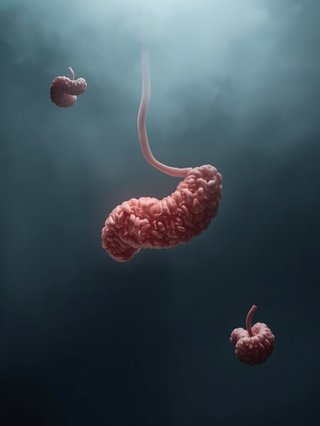
Excessive bacterial growth in the small intestine - recommended diets for SIBO


Table of Contents 2
Medical & Editorial Disclaimer (§3 Terms): This article is for informational and educational purposes only, does not constitute medical advice, diagnosis, or treatment, and is used at your own risk. Consult a qualified physician for medical conditions.
The core dietary management strategy revolves around reducing the supply of fermentable substrates that sustain the overpopulated bacteria in the small intestine. Dedicated nutritional frameworks, such as the low-FODMAP diet, the Specific Carbohydrate Diet, the GAPS protocol, and the specialized approach designed by Doctor Siebecker, work by limiting complex carbohydrates and easily fermentable compounds. When applied alongside prescribed antibiotic therapy, these dietary models help suppress excessive microbial fermentation, calm the intestinal lining, and alleviate persistent digestive distress.
Integrating these specialized dietary guidelines into daily life requires a structured, thoughtful approach, ideally guided by healthcare professionals or specialized dietitians. The temporary elimination of specific short-chain carbohydrates should be followed by a gradual reintroduction phase to identify individual tolerance levels without causing nutritional imbalances. Adopting these evidence-based dietary modifications empowers individuals to nurture their digestive health, rebuild gut resilience, and achieve sustainable long-term comfort.
This article is professional premium content (PRO) provided in its entirety.
Small Intestinal Bacterial Overgrowth Syndrome (SIBO)
SIBO recommended diets
Want to apply these guidelines in your daily diet?
Our smart diet generator creates a tailored meal plan in 3 minutes based on the recommendations in this article.
Tags

mgr Tim Klein
• 24.09.2026Diets Premium Expert
Diets Premium team expert. Specializes in nutrition plans, strength sports, and training plans.