Evidence-Based Protocols for Immune System Strengthening: Micronutrients, GALT, and Lifestyle

Smart Voice
AITable of Contents 4
Optimal immune defense requires the synchronized coordination of innate and adaptive immunological branches. This evidence-based review examines the foundational pillars of host resilience: the gut-associated lymphoid tissue (GALT), targeted immunonutrients (Vitamin D3, zinc, Vitamin C), and the neuro-immune impact of circadian sleep architecture and physical exertion.
Gut-Associated Lymphoid Tissue (GALT) and Microbiome Immunomodulation
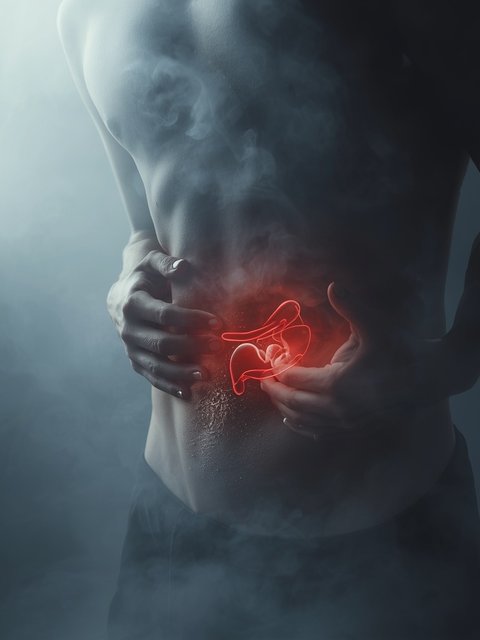
Between 70% and 80% of human immunocompetent cells reside within the gut-associated lymphoid tissue (GALT) lining the gastrointestinal mucosa:
- Secretory IgA (sIgA): Commensal microbiota continuously prime mucosal plasma cells to produce sIgA, neutralizing antigens and toxins at the luminal barrier interface.
- Short-Chain Fatty Acids (SCFAs): Microbial fermentation of prebiotic fibers yields butyrate, which reinforces tight junctions and suppresses pro-inflammatory macrophage cascades.
- Fermented functional foods: Dietary incorporation of traditional lacto-fermented vegetables and kefir reinforces barrier colonization resistance against airborne and enteric pathogens.
Essential Immunonutrients: Zinc, Vitamin D3, Vitamin C, and Selenium
Deficiencies in single micronutrients critically compromise both phagocytic killing and lymphocyte clonality:
- Vitamin D3 endocrine signaling: Calcitriol stimulates endogenous antimicrobial peptide synthesis (cathelicidin LL-37 and defensins) while downregulating deleterious cytokine surges (IL-6, TNF-alpha). Autumn/winter supplementation (2,000–4,000 IU daily) is vital.
- Zinc in antiviral defense: Intracellular zinc directly interferes with viral RNA polymerase elongation, while ensuring normal thymic T-lymphocyte differentiation.
- Vitamin C and selenium: Ascorbate concentrates within phagocytes to shield immune cells from oxidative self-destruction during the respiratory burst, while selenium powers antioxidant selenoproteins.
Lifestyle Determinants: Sleep Architecture, Cortisol, and Exercise Hormesis
Behavioral patterns exert immediate neuroendocrine control over circulating immune cell subsets:
- Slow-wave sleep architecture: Deep NREM sleep lowers circulating catecholamines and cortisol, facilitating leukocyte homing into secondary lymphoid tissues for antigen presentation.
- Exercise hormesis (The J-Curve): Moderate endurance training (150–300 min/week) accelerates immune surveillance via transient shear-stress demargination, while excessive overtraining precipitates an 'open window' of immunosuppression.
- Cold exposure and hydrotherapy: Acute, controlled cold shocks promote beneficial hormesis, increasing circulating natural killer cells and systemic glutathione reserves.
How do you boost your immunity?
Want to apply these guidelines in your daily diet?
Our smart diet generator creates a tailored meal plan in 3 minutes based on the recommendations in this article.

Literatura: Kościej A., Skotnicka-Graca U., Ozga I., „Rola wybranych czynników żywieniowych w kształtowaniu odporności dzieci”, Probl Hig Epidemiol 2017, 98(2): 110-117, Korzon M., „Kliniczne cechy zaburzeń układu immunologicznego”, Akademia-Heel, Milewska M., „Właściwe żywienie receptą na odporność”, Diagnoza, s 12-13.
Diets Premium Expert
Diets Premium team expert. Specializes in nutrition plans, strength sports, and training plans.