Drinking yeast – nutritional properties, effects on hair and skin, side effects, and safe preparation


Table of Contents 5
Medical & Editorial Disclaimer (§3 Terms): This article is for informational and educational purposes only, does not constitute medical advice, diagnosis, or treatment, and is used at your own risk. Consult a qualified physician for medical conditions.
The physiological benefits stem from the delivery of enzymatic cofactors that support the metabolic activity of dermal cells and hair follicles. A critical aspect of this regimen is the mandatory thermal inactivation of the yeast cells. Ingesting live yeast can trigger fermentation within the digestive tract, leading to bloating and the potential sequestration of vital nutrients. By thoroughly inactivating the yeast with boiling liquid, the consumer ensures that the nutrients are bioavailable and that the digestive process remains undisturbed.
To safely prepare yeast for consumption, it is vital to pour rolling boiling water or hot milk directly over the fresh yeast to ensure complete thermal inactivation. When integrating this into a daily routine, it is important to maintain a balanced diet and approach the practice with consistency. Those with specific medical conditions or health concerns should consult with a professional before beginning any new supplementation regimen to ensure it aligns with their individual health needs.
Yeast (Saccharomyces cerevisiae) is a unicellular fungus widely utilized in baking, brewing, and nutritional biotechnology. For decades, oral regimens based on thermally inactivated baker’s yeast or standardized brewer’s yeast supplements have been used as traditional adjuncts for acne-prone skin, brittle nails, and diffuse hair thinning.
Yeast cells provide a rich matrix of B-complex vitamins (including biotin, pantothenic acid, niacin, and thiamine), trace minerals (zinc, selenium, chromium, phosphorus), sulfur-containing amino acids, and cell-wall beta-glucans. Why must fresh baker’s yeast be completely inactivated with boiling water before consumption, what clinical results can be expected, and which medical conditions contraindicate yeast intake?
Drinking yeast – types of dietary yeast and their biochemical profile
In human nutrition and supplementation, three distinct forms of Saccharomyces cerevisiae are utilized:
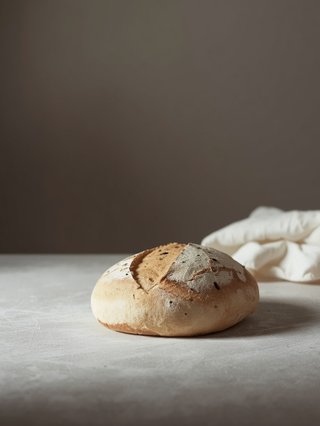
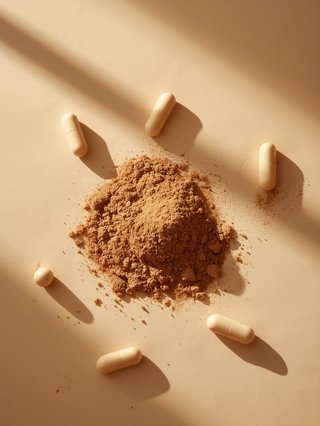
- Baker’s yeast (fresh compressed or active dry): contains live, metabolically active fungal cells that must be thermally inactivated with boiling water prior to ingestion.
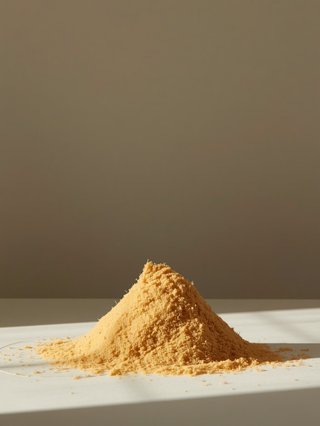
- Brewer’s yeast: an inactivated byproduct of brewing, commonly standardized in tablets or powders and prized for its high concentrations of trivalent chromium, selenium, and B vitamins.
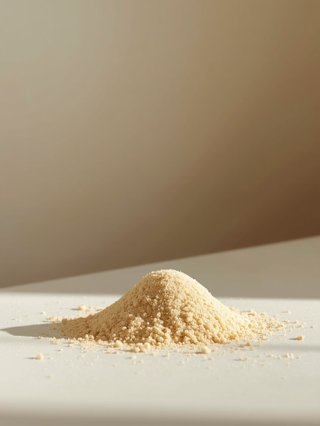
- Nutritional yeast flakes: pasteurized, roller-dried deactivated yeast with a savory, nutty-cheese flavor that can be safely sprinkled directly onto meals without boiling.
The nutritional value of yeast stems from its dense concentration of B-complex vitamins (B1, B2, B3, B5, B6, B7/biotin, B9/folate), choline, potassium, phosphorus, magnesium, iron, zinc, selenium, complete proteins, and immunomodulatory cell-wall beta-glucans.
Drinking yeast – effects on skin, nails, and cellular metabolism
The clinical benefits of a properly prepared yeast regimen stem from replenishing enzymatic cofactors required by rapidly proliferating epidermal and dermal cells:
- Support for acne-prone and seborrheic skin: niacin (B3), riboflavin (B2), pantothenic acid (B5), and zinc help regulate sebaceous gland hyperactivity, reduce excess sebum production, minimize comedone formation, and accelerate post-inflammatory epidermal repair.
- Nail plate reinforcement: biotin and sulfur-donor amino acids improve nail thickness and reduce splitting and brittleness.
- Nervous system and glycemic support: thiamine, pyridoxine, and choline support neurotransmitter synthesis and hepatic lipid transport, while chromium in brewer’s yeast assists insulin receptor sensitivity.
Because the physiological turnover of human epidermis takes approximately 28 days, visible improvements typically emerge after 4–6 weeks of consistent use.
Drinking yeast – side effects and clinical contraindications
The most frequent and hazardous mistake in home yeast regimens is ingesting live, inadequately inactivated baker’s yeast (for instance, dissolved in lukewarm water or milk below 60°C). Live Saccharomyces cerevisiae cells ferment dietary carbohydrates inside the gastrointestinal tract, generating excessive carbon dioxide gas, abdominal cramping, bloating, and diarrhea—while actively sequestering biotin and B vitamins from the host’s gut lumen, paradoxically worsening vitamin deficiencies.
Even when properly heat-inactivated, dietary yeast carries strict clinical contraindications:
- Inflammatory bowel disease (Crohn’s disease and ulcerative colitis): patients with Crohn’s disease frequently harbor anti-Saccharomyces cerevisiae antibodies (ASCA) directed against yeast cell-wall mannans; ingesting yeast antigens can aggravate mucosal inflammation.
- SIBO, IMO, and gastrointestinal candidiasis: yeast preparations exacerbate fermentative dysbiosis and abdominal distension.
- Gout and hyperuricemia: yeast cells contain high concentrations of nucleic acid purines, which metabolize into uric acid and can precipitate acute gout flares.
- Histamine intolerance, migraines, and MAO inhibitor therapy: yeast contains biogenic amines (especially tyramine and histamine) that can trigger migraines or provoke a hypertensive crisis in patients taking monoamine oxidase inhibitors (MAOIs).
Drinking yeast for hair growth – trichological benefits
In clinical trichology, inactivated yeast (particularly brewer’s yeast and nutritional yeast flakes) is valued as an adjunct during telogen effluvium and seasonal hair shedding linked to micronutrient depletion or stress.
Several synergistic nutrients in yeast support hair follicle matrix activity and shaft integrity:
- Biotin (vitamin B7): delivers bioavailable sulfur required for keratin synthesis, increasing hair shaft elasticity, reducing breakage, and normalizing scalp sebum output.
- Pantothenic acid (vitamin B5) and niacin (B3): stimulate mitotic proliferation within the hair bulb matrix and enhance microvascular perfusion of the dermal papilla.
- Sulfur amino acids (cysteine and methionine) alongside zinc, iron, and copper: provide the structural disulfide cross-links of keratin and support natural melanin pigmentation.
For individuals who dislike the taste of boiled baker’s yeast, standardized brewer’s yeast tablets, deactivated nutritional yeast flakes added to savory dishes, or topical yeast scalp masks offer convenient and effective alternatives.
How to safely prepare yeast for drinking: step-by-step recipe and regimen rules
To ensure that a drink made from fresh baker’s yeast is completely safe for the digestive tract, the yeast cells must undergo complete thermal inactivation using boiling liquid (100°C).
Step-by-step safe preparation method:
- Ingredients: 15–20 g of fresh compressed baker’s yeast (approx. 1/5 to 1/6 of a standard 100 g block) and 150–200 ml of rolling boiling water (100°C) or boiling milk.
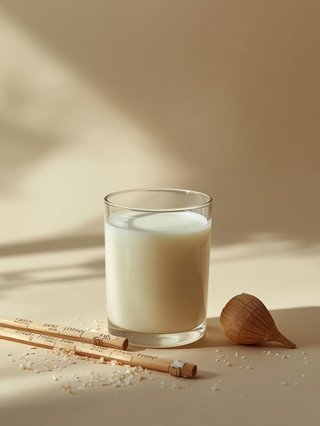
- Preparation: crumble the fresh yeast into a mug and pour boiling water or boiling milk directly over it (never use merely warm liquid). Stir thoroughly until completely dissolved, cover for 10 minutes to ensure complete thermal deactivation of all live fungal cells, then allow to cool before drinking.
- Treatment duration: consume once daily for 4–6 weeks (up to a maximum of 8 weeks), followed by a mandatory multi-week break.
Above all, remember that a yeast drink is only a short-term dietary adjunct—the true foundation of resilient hair, strong nails, and clear skin is a balanced whole-food diet rich in complete proteins, colorful vegetables, nuts, seeds, and essential fatty acids.
Want to apply these guidelines in your daily diet?
Our smart diet generator creates a tailored meal plan in 3 minutes based on the recommendations in this article.

Literatura: Nielsen J., Larsson C. i in., Metabolic engineering of yeast for production of fuels and chemicals, Curr Opin Biotechnol, 2013 Jun;24(3):398-404 Nandy S. K., Srivastava R. K., A review on sustainable yeast biotechnological processes and applications, Microbiol Res. 2018 Mar;207:83-90. Emily L. Guo, Rajani Katta , Diet and hair loss: effects of nutrient deficiency and supplement use. Dermatol Pract Concept . 2017 Jan; 7(1): 1–10, Zuzanna Sabina, Goluch-Koniuszy Nutrition of women with hair loss problem during the period of menopause, Prz Menopauzalny , 2016 Mar; 15(1): 56–61, Nicole Gerlach , Matthias Mentel , Tim Köhler , Benjamin Tuchscherer , Birgit Garbe , Jasmina Ülker , Hagen Tronnier , Ulrike Heinrich , Mike Farwick, Effect of the multifunctional cosmetic ingredient sphinganine on hair loss in males and females with diffuse hair reduction, Clin Cosmet Investig Dermatol , 2016; 9: 191–203.
Diets Premium Expert
Diets Premium team expert. Specializes in nutrition plans, strength sports, and training plans.