Is spinach really healthy? Can it be safely consumed raw?
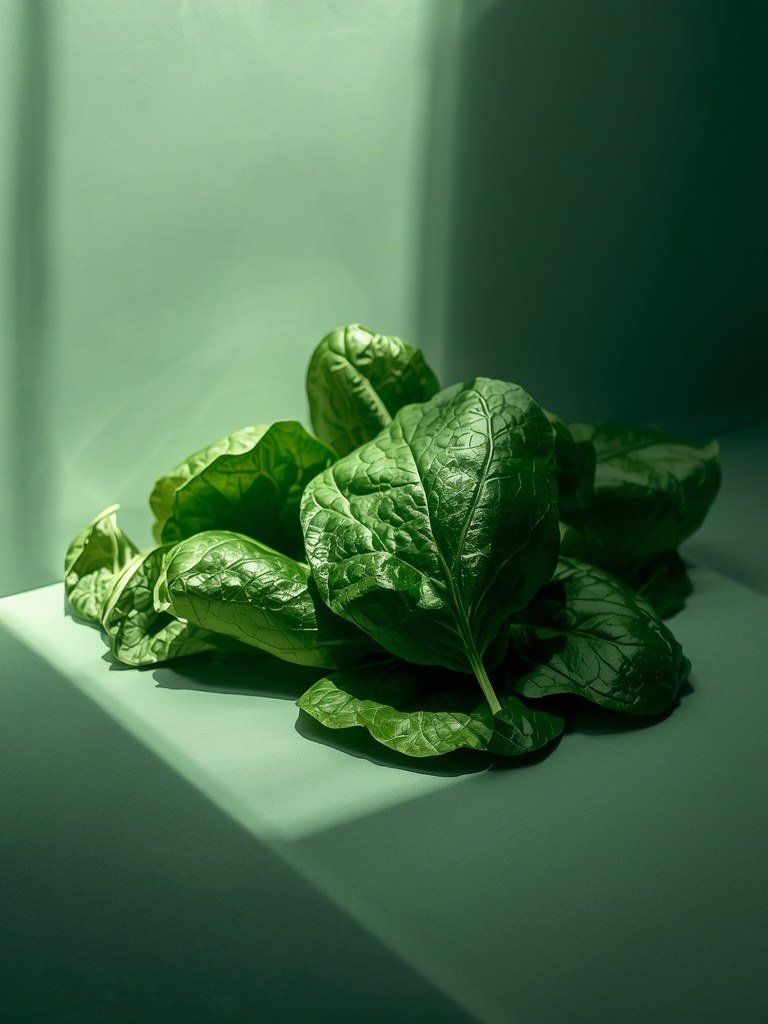
Table of Contents 3
Medical & Editorial Disclaimer (§3 Terms): This article is for informational and educational purposes only, does not constitute medical advice, diagnosis, or treatment, and is used at your own risk. Consult a qualified physician for medical conditions.
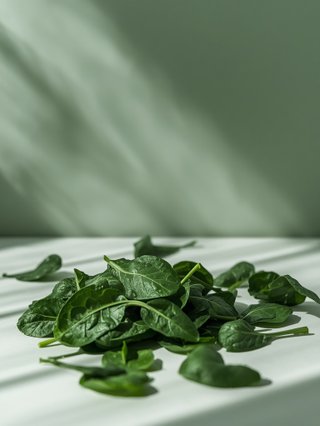
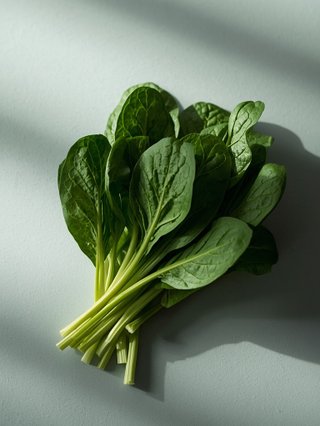
From a nutritional standpoint, consuming spinach provides the body with beta-carotene, folic acid, B-complex vitamins such as thiamine and riboflavin, alongside vitamins A, C, E, and K. This vitamin profile is complemented by vital minerals including potassium, calcium, magnesium, phosphorus, and iron, as well as lutein, a potent carotenoid antioxidant found generously in the leaves. A key physiological insight explored in the chapters involves nutrient bioavailability: pairing raw spinach leaves with vegetable oil facilitates the proper absorption of fat-soluble vitamins and carotenoids in the digestive tract.
Incorporating fresh spinach into daily nutrition requires neither cooking nor steaming, as the raw leaves make an excellent foundation or addition to salads in place of standard leafy greens. To preserve their vibrant green color and retain their delicate micronutrients, the leaves should simply be rinsed under cold water and gently patted dry with a paper towel before serving. Dressed with a quality vegetable oil, raw spinach offers a practical, refreshing way to elevate the nutritional value of everyday dishes.
Raw spinach
Is the spinach healthy?
How do you make a spinach?
Want to apply these guidelines in your daily diet?
Our smart diet generator creates a tailored meal plan in 3 minutes based on the recommendations in this article.

mgr Literatura: Pasecka M., Jedz dla zdrowia, Ringier Axel Springer, Warszawa, 2014, Szustakowska-Chojnacka M., 100 Roślin w Twojej kuchni. PZWL, Warszawa, 2015.
Diets Premium Expert
Diets Premium team expert. Specializes in nutrition plans, strength sports, and training plans.