Does raw coffee in bean form genuinely represent the single most efficacious approach to facilitating weight loss?


Table of Contents 3
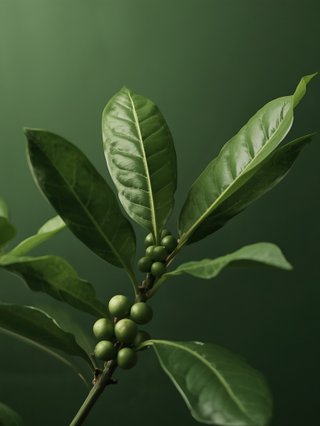
Green coffee, obtained from beans that have not undergone the roasting process, exhibits a more subdued taste profile and a less pronounced aroma than conventional roasted coffee, yet it possesses a markedly enhanced health-promoting capacity, thereby garnering significant attention from both nutritionists and researchers in natural medicine.
Phytochemistry of green coffee: chlorogenic acid (CGA) and bioactive mechanisms
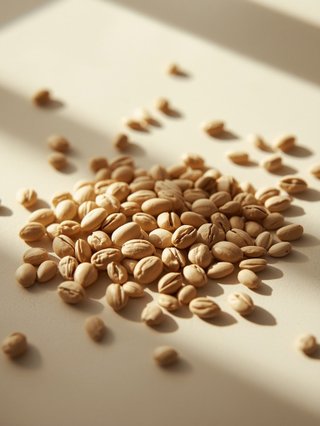
Green coffee refers to unroasted raw beans of the Coffea genus. While high-temperature industrial roasting degrades thermo-sensitive biophenols, raw beans retain an abundant reservoir of hydroxycinnamic acids, predominantly chlorogenic acid (CGA isomers, notably 5-caffeoylquinic acid).
CGA exerts distinct metabolic modulation: it competitively inhibits intestinal glucose-6-phosphatase and mucosal transporters (SGLT1 and GLUT2), attenuating postprandial glucose surges. Additionally, it phosphorylates hepatic AMP-activated protein kinase (AMPK), stimulating cellular fatty acid beta-oxidation.
Clinical evidence versus commercial marketing claims in weight management
Commercial marketing frequently inflates green coffee extract as a miracle panacea. Comprehensive Cochrane systematic reviews and meta-analyses of randomized controlled trials (RCTs) indicate statistically significant, yet modest, adjunctive efficacy (averaging 1.5–2.5 kg over 8–12 weeks), contingent on hypocaloric compliance.
Its clinical utility resides in antioxidant protection and vascular endothelial tone improvement rather than passive, diet-independent adipose dissolution.
Preparation protocols, sensory profile, and safety considerations
Infusions brewed from unroasted green coffee possess a herbaceous, slightly astringent flavor profile reminiscent of strong matcha. Coarsely ground beans should be steeped in water at 85–90°C for 8–10 minutes, avoiding rolling boils.
Given its caffeine content (approximately 20–40 mg per serving) and tannin astringency, individuals diagnosed with active peptic ulcer disease, GERD, or uncontrolled hypertension should exercise caution. Pregnant and lactating individuals require medical clearance.
Want to apply these guidelines in your daily diet?
Our smart diet generator creates a tailored meal plan in 3 minutes based on the recommendations in this article.

mgr Emilia Szymańska
Diets Premium Expert
Diets Premium team expert. Specializes in nutrition plans, strength sports, and training plans.