Diet and its impact on skin condition

Smart Voice
AITable of Contents 11
This article is professional premium content (PRO) provided in its entirety.
Nourishment and protection of the skin: structure and functions
The role of a balanced diet in skin barrier function and renewal
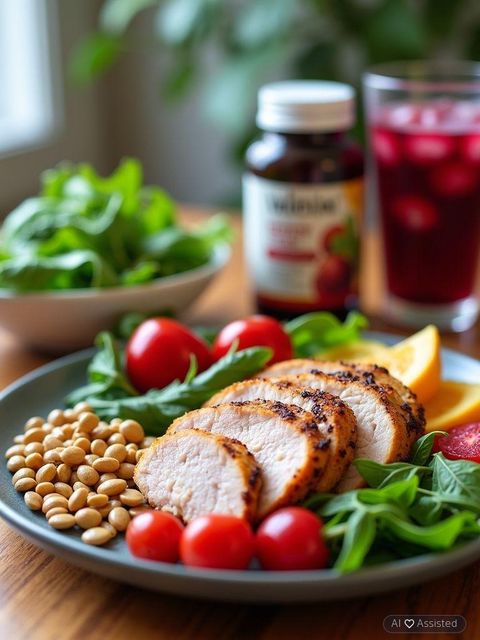
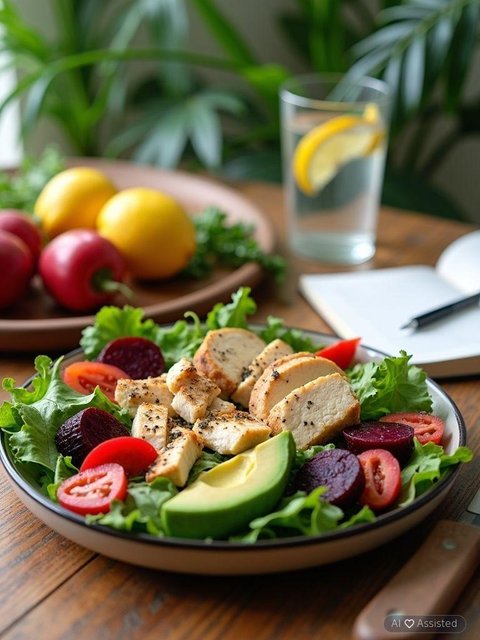
A well-balanced nutritional plan forms the cornerstone of healthy, resilient skin with an intact hydrolipidic barrier. Providing sufficient antioxidants, vitamins, and trace minerals supports collagen and elastin synthesis, accelerates epidermal cellular turnover, and shields cutaneous tissues from premature photoaging and chronic inflammation.
Factors detrimental to the appearance and condition of the skin
Water, the primary constituent of the human body
Vitamins with special properties and their derivatives
Mineral substances
Indispensable unsaturated fatty acids for proper skin functioning
Polyphenol compounds and their halogenated derivatives
Food products that exert a harmful impact on skin condition
Medicinal plants improving skin condition
Non-nutritional factors affecting skin condition
Want to apply these guidelines in your daily diet?
Our smart diet generator creates a tailored meal plan in 3 minutes based on the recommendations in this article.

mgr Bartkowski L., Nasiona lnu – naturalne źródło zdrowia i urody, „Chemik” 2013, 67(3), 186–191. Bem B., Rola wyższych kwasów tłuszczowych w fizjologii skóry, „Polish Journal of Cosmetology” 2003, 2, 93–101. Bojarowicz H., Płowiec A., Wpływ witaminy A na kondycję skóry, „Problemy Higieny i Epidemiologii” 2010, 91(3), 352–356. Callaway J. et al., Efficacy of dietary hempseed oil in patients with atopic dermatitis, „Journal of Dermatological Treatment” 2005, 16(2), 87–94. Ciborowska H., Składniki odżywcze i ich znaczenie w żywieniu, Dietetyka. Żywienie zdrowego i chorego człowieka, pod red. Ciborowskiej H., Rudnickiej A., Warszawa 2000, 32–97. Chodorowska G., Kwiatek J., Psoriasis and cigarette smoking, „Annales Universitatis Mariae Curie-Sklodowska” 2004, 59(2), 535–538. Innis S.M., Dietary omega 3 fatty acids and the developing brain, „Brain Research” 2008, 1237, 35–43. Kmieć M.L., Broniarczyk-Dyła G., Wpływ stresu na kondycję naszej skóry, „Dermatologia. Kliniczna” 2008, 10(2), 105–107. Muggli R., Systematic evening primorse oil improves the biophysical skin parameters of healthy adults, „International Journal of Cosmetic Science” 2005, 27(4), 243–249. Primavera G., Berardesca E., Clinical and instrumental evaluation of food supplement in improving skin hydration, „International Journal of Cosmetic Science” 2005, 27(4), 199–204. Raszeja-Kotelba B., Placek W., Kliniczne i terapeutyczne spojrzenie na problem suchej skóry, „Polish Journal of Cosmetology” 1999, 1, 2–9. Rosińska A., Adamski Z., Więckowicz M., Wpływ nikotyny na rozwój i przebieg chorób skóry oraz procesy starzenia się skóry i karcynogenezę, Dermatologia dla kosmetologów pod red. Adamskiego Z., Kaszuby A., Poznań 2008, 234–238. Rumińska A., Ożarowski A., Leksykon roślin leczniczych, Warszawa 1990. Sałata-Nowak J., Flisiak I., Chodynicka B., Wpływ dymu tytoniowego na skórę, Effect of tobacco smoking on the skin, „Przegląd Dermatologiczny” 2010, 5, 97, 342–348 Simopoulos A.P., The importance of the omega-6/omega-3 essential fatty acids, „Biomedicine Pharmacotherapy” 2002, 56(8), 234–238. Szmurło A., Rola lipidów naskórkowych w prawidłowym funkcjonowaniu bariery naskórkowej, „Dermatologica” 2006, 7, 53–56. Van Gool C.J., Zeegers M.P., Thijs C., Epidemiology and Health Services Research. Oral essential fatty acid supplementation in atopic dermatitis – a meta-analysis of placebo-controlled trials, „British Journal of Dermatology” 2004, 150(4), 728–740. Zegarska B., Woźniak M., Przyczyny wewnątrzpochodnego starzenia się skóry, „Gerontologia Polska” 2006, 14(4), 153–159.
Diets Premium Expert
Diets Premium team expert. Specializes in nutrition plans, strength sports, and training plans.