DASH and Mediterranean diets - basic principles and differences in eating styles that affect health
Table of Contents 4
Medical & Editorial Disclaimer (§3 Terms): This article is for informational and educational purposes only, does not constitute medical advice, diagnosis, or treatment, and is used at your own risk. Consult a qualified physician for medical conditions.
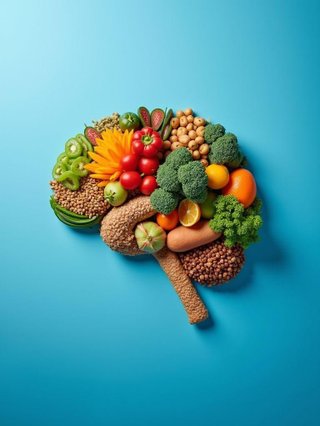
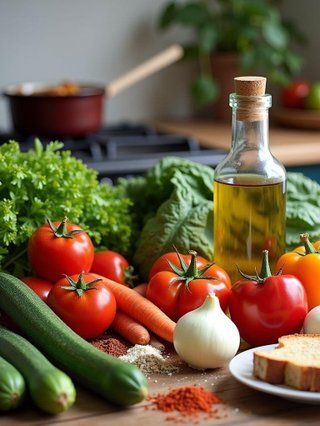
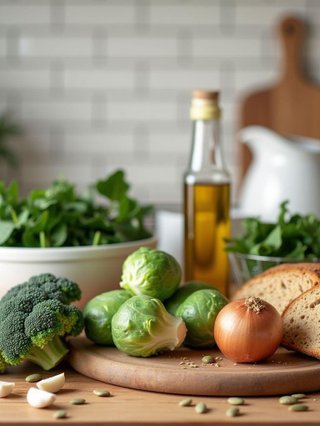
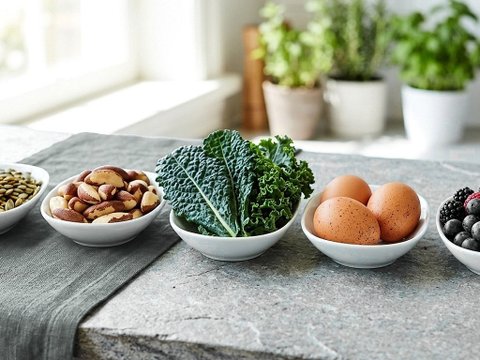
The Mediterranean diet, exemplified by the Cretan model, emphasizes a high intake of vegetables, fruits, whole grains, and fish, often complemented by significant physical activity. The DASH diet, conversely, focuses on reducing sodium intake while promoting low-fat dairy products, lean meats, nuts, and legumes, primarily to manage blood pressure. Both dietary patterns advocate for abundant consumption of vegetables and fruits, yet they diverge in specific recommendations, such as the types of vegetables or the sources of omega fatty acids.
To integrate these dietary principles into daily life, it is advisable to minimize the consumption of processed meats and saturated fats, instead prioritizing a diverse array of fresh vegetables, fruits, whole grains, and lean protein sources. Making conscious food selections and limiting sodium intake can significantly contribute to the prevention and management of chronic conditions. These diets are highly regarded not only for their health benefits but also for their straightforward application and the accessibility of the foods they incorporate.
This article is professional premium content (PRO) provided in its entirety.
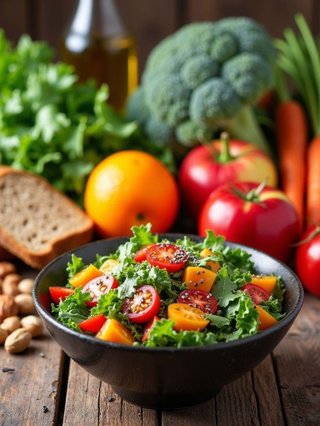
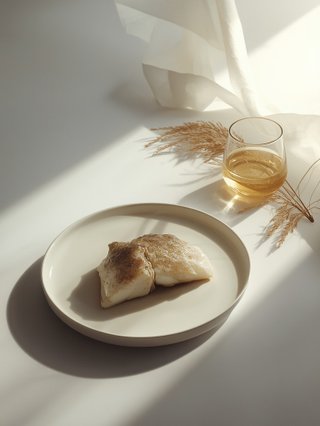
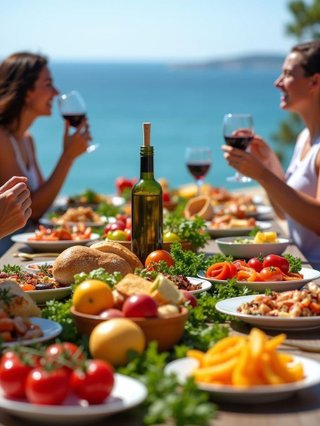
Characteristic dietary pattern of Mediterranean countries
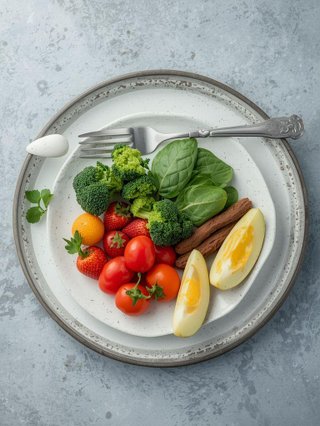
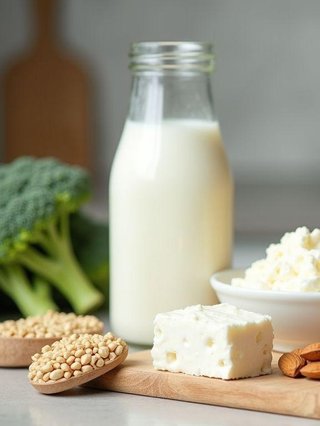
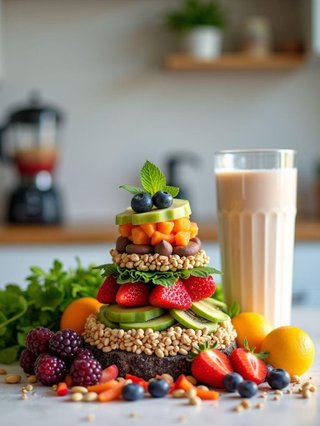
DASH Nutritional Pattern
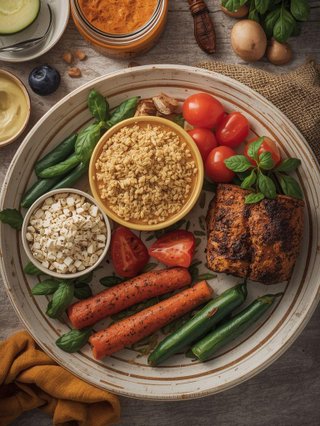
Differences between the DASH diet and the Mediterranean diet
Overview
Want to apply these guidelines in your daily diet?
Our smart diet generator creates a tailored meal plan in 3 minutes based on the recommendations in this article.

Alicja Kowalska
Diets Premium Expert
Diets Premium team expert. Specializes in nutrition plans, strength sports, and training plans.