PRO
8 min read
Damaged meat - identification methods, risks... Is there a possibility that frozen meat could spoil?
1 photo
583
Smart Voice
AI
0:00
0:00
Listen to the article content live
Table of Contents 8
PRO Content
PRO
This article is professional premium content (PRO) provided in its entirety.
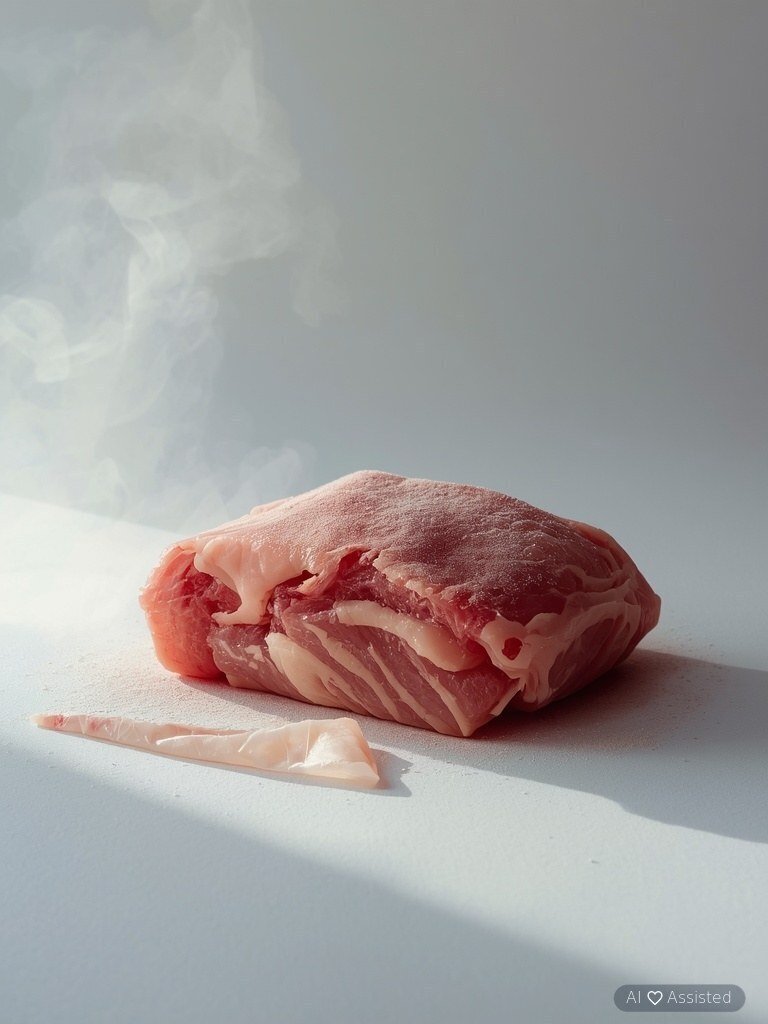
It is possible that some of you have placed a piece of meat on the back of the refrigerator, then covered it with other purchases, and then forgot about it. After a few days, we take out this meat, and we are unsure if it is suitable for consumption or not. Another question is, how can we determine if the meat is fresh or only disposable? Furthermore, what dangers could await us as a result of consuming spoiled meat?
01 / 08
Spoiled meat
Upon the animal's death, meat undergoes a series of transformations, primarily affecting proteins, fats, and carbohydrate components. These processes contribute to the development of desirable nutritional and sensory qualities. If the meat is not consumed in a timely manner, excessive alterations occur in its fundamental constituents, rendering it inedible. Spoilage is caused by microbial activity, endogenous tissue enzymes, and non-enzymatic chemical reactions. If spoilage is suspected, the meat must be discarded immediately, as consumption can lead to serious health risks.
02 / 08
Compromised meat – health hazards
Compromised meat poses significant microbiological risks in food. These hazards arise from bacteria and toxins produced by microorganisms. Consuming such meat can lead to food poisoning, which, in severe cases, may result in death. Food poisoning is classified into toxinfection and intoxication. Toxinfection occurs when food containing live bacterial cells is ingested, leading to toxin production and release in the digestive tract. Common pathogens causing this type of poisoning include Clostridium perfringens, Bacillus cereus, and Escherichia coli. Intoxication, on the other hand, results from consuming food containing bacterial or fungal toxins, without the necessity of live cells. Notable agents causing intoxication include Clostridium botulinum (botulism), Staphylococcus aureus (staphylococcal enterotoxin poisoning), and molds such as Aspergillus flavus. Staphylococcal intoxications are the most frequently encountered, with symptoms including nausea and stomach cramps due to inflamed gastric and intestinal linings. Symptoms manifest 3–6 hours after enterotoxin ingestion. Botulinum toxin is one of the most potent biological toxins, affecting the central nervous system and leading to smooth muscle paralysis and death. Particular caution should be exercised with poultry meat and derived products, as bacteria like Salmonella, Clostridium perfringens, Staphylococcus aureus, and Campylobacter are the most common causes of food poisoning 1.
03 / 08
How can you determine if the meat is spoiled?
Are you unsure if the meat you want to prepare for dinner is still fresh? In that case, examine it closely using your sense of smell, vision, and touch. Smell: Spoiled meat emits a distinctive, unpleasant odor. Fresh meat should have a mild, almost imperceptible aroma. If it gives off an acidic and repulsive smell, it indicates that it is spoiling and not fit for consumption. Color: The color of spoiled meat changes – from bright and shiny to dull, brownish (beef), dark pink (pork), or gray (poultry). Additionally, a white-greenish film may appear on the surface, indicating the presence of mold. Texture: Fresh meat has a firm structure – after pressing, it quickly returns to its original shape. Spoiled meat is sticky, slimy, and may release cloudy liquid, confirming the activity of anaerobic bacteria breaking down proteins. Cross-section: The meat should be slightly moist, and its juice should be clear. If the cross-section is darker, moist, and slightly sticky, it indicates that the product is no longer fresh. Taste: If you did not prepare the meat yourself and do not know what it looked like before processing, you can assess its freshness by tasting it. Spoiled meat has a characteristic, unpleasant aftertaste that is hard to confuse with anything else. It can be described as sour, bitter, or metallic. Often, it is accompanied by an unpleasant smell reminiscent of rotten eggs. Remember: Check the freshness of the meat already at the time of purchase. After buying, it is best to prepare it on the same day or freeze it. Too long storage in the refrigerator leads to a deterioration in quality.
04 / 08
How to detect spoiled or expired meat in the supermarket?
When purchasing meat at the supermarket, it is crucial to exercise caution, as one of the primary risks is a disruption in the cold chain, meaning the product's temperature is not maintained properly. To avoid buying spoiled meat, follow our recommendations: Always conduct a freshness check: if the meat regains its shape quickly after pressing, it is fresh. If indentations remain after releasing pressure, the meat is no longer fresh or has expired. In such cases, notify the store staff. Also, examine the color: fresh meat should be vibrant - red for beef, pink for poultry, and light pink for pork. Any gray, brown, or greenish spots indicate spoilage. Check the packaging: it should be intact and sealed. If you notice tears or leaks, inform the staff. Avoid bloated packaging, which suggests a lack of freshness. Verify the expiration date and ensure the meat is stored correctly. If you have any doubts about its quality, it is best to refrain from purchasing.
05 / 08
How does freezing impact the taste of meat?
Properly freezing meat is essential for preserving its superior quality and freshness. The freezing rate and the freezer temperature, which should be set to at least -18°C, are crucial factors. Under these conditions, meat retains its excellent properties for a longer duration. The packaging method is equally important – vacuum-sealed bags or specialized freezer bags prevent dehydration and the formation of harmful ice crystals that can damage the meat's structure. Proper thawing is also vital – ideally, meat should be transferred from the freezer to the refrigerator the day before cooking. Dividing meat into smaller portions can expedite the thawing process. In urgent cases, placing the portion in a bowl of cold water and changing the water every 30 minutes can thaw it within an hour. Never expose frozen meat to direct sunlight, as this promotes the growth of dangerous bacteria. If thawed correctly, meat can be stored in the refrigerator for up to three days.
06 / 08
How to properly freeze meat to preserve its quality
To maintain the freshness and flavor of meat after thawing, several key steps must be followed. Our guidelines will help you properly prepare meat for freezing. Here’s how to proceed: First, thoroughly dry the meat with a paper towel to remove excess moisture. Then, divide larger pieces into smaller portions and remove the fat that could spoil during freezing. Place each piece in a separate vacuum-sealed bag. If you plan to store the meat for an extended period, mark the freezing date on the bag. This will make identification easier later. It’s also advisable to store larger portions closer to the freezer door for easy access. Remember, meat that has already been thawed should not be refrozen.
07 / 08
How long can meat be stored in the freezer?
Meat stored under freezing conditions for up to 12 months experiences only minor alterations, as microbiological and biochemical processes are substantially slowed down. However, this does not apply to lipolytic enzymes, which remain active even below -20°C. Consequently, autoxidation and hydrolysis occur in the meat, resulting in an unpleasant taste and odor. The rate of these processes depends on the quantity and degree of unsaturation of fatty acids, as well as oxygen availability. To minimize changes, storage duration should be considered, as different meat types have varying shelf lives. At temperatures between -18.1°C and -22°C, pork can be stored for up to 10 months, beef for up to 15 months, veal and lamb for up to 6 months, poultry for up to 3 months, and ground meat for up to 2 months (regardless of the type). Lowering the temperature to -30°C extends storage time. However, it is crucial to note that once thawed, meat should not be refrozen.
08 / 08
Can Frozen Meat Actually Spoil?
Freezing meat, or storing it at approximately -18°C, is an effective method for preserving its freshness and quality. Under these conditions, the meat retains its properties to a much lesser extent than at room temperature. Freezing significantly slows down the microbiological, chemical, and biochemical processes occurring in the meat, thereby extending its shelf life. Although frozen meat does not spoil, certain changes occur during the freezing process, such as tissue damage, protein denaturation, lipid and color changes, and weight loss. Ice crystals damage the walls of muscle fibers and connective tissue, resulting in the leakage of muscle juice and increased enzymatic activity after thawing. Therefore, it is important to freeze meat quickly, as small ice crystals cause less juice leakage. If the freezing process is slow, larger ice crystals form in the meat, damaging its cell membranes. In summary, spoiled meat is a source of bacteria and toxins that can cause food poisoning. Therefore, attention should be paid to the smell, color, and consistency of the meat. If you decide to purchase larger quantities of meat, it is advisable to freeze it, but you should label the portions with a date to avoid storing them for too long.
Meal Plan
Want to apply these guidelines in your daily diet?
Our smart diet generator creates a tailored meal plan in 3 minutes based on the recommendations in this article.

Scientifically reviewed by a clinical dietitian
• 25.09.2026
mgr Tim Klein
Diets Premium Expert
Diets Premium team expert. Specializes in nutrition plans, strength sports, and training plans.
USDA FoodData Central
EFSA
PubMed Clinical Guidelines