5 min read
Cucumber and Pumpkin Ketchup – Ingredients, Calories…
1 photo
793
Smart Voice
AI
0:00
0:00
Listen to the article content live
Table of Contents 8
Ketchup, alongside mustard and mayonnaise, is one of the most popular sauces for cold dishes, however, it is a product that is very difficult to find the perfect store version. Genuine ketchup is a treasure trove of lycopene, an antioxidant that has a positive impact on eye health and visual acuity. On the other hand, ketchup made from a small quantity of tomatoes contains only empty calories and additives.
01 / 08
Ketchup: Origins, Composition, and Nutritional Properties of the Tomato-Based Condiment
Ketchup, with roots tracing back to ancient China where it served as a flavorful accompaniment to fish-based dishes, has evolved into a globally indispensable condiment—particularly for meat dishes, baked goods, cold and hot sandwiches, as well as a staple topping for hot dogs and pizza. This vibrant red vegetable sauce is crafted from premium-quality tomatoes, enhanced with sweet sugar, tangy vinegar, table salt, and a blend of herbs and spices, including allspice and fragrant cloves. High-quality ketchup, distinguished by its substantial fresh tomato content (approximately 170 grams per 100 grams of finished sauce), serves as a rich source of potassium—a mineral critical for maintaining electrolyte balance—and lycopene, a potent antioxidant that combats harmful free radicals. A defining characteristic of authentic ketchup is its preservation method: properly processed ketchup undergoes pasteurization, which obviates the need for artificial preservatives while ensuring prolonged shelf life without compromising taste or nutritional integrity.
02 / 08
Compositional breakdown of classic ketchup: What constitutes a high-quality product?
The ideal composition of traditional ketchup is primarily defined by the maximum proportion of processed tomatoes per 100 grams of the finished sauce. To achieve a product of the highest quality, guidelines suggest incorporating at least approximately 170 grams of fresh tomatoes. Beyond this core ingredient, the distinctive flavor profile is further shaped by sucrose as a sweetening agent, sodium chloride for saltiness modulation, acetic acid providing the characteristic tang, and aromatic spices such as allspice berries and clove buds. Certain formulations may also include additional vegetables—celery stalks, for instance—to enhance the overall flavor complexity.
03 / 08
The caloric content of ketchup: A comprehensive nutritional assessment of the widely used tomato-based condiment
The average energy density of conventional ketchup amounts to approximately 92 kilocalories per 100 grams of the product. Consequently, an individual serving equivalent to one tablespoon (estimated at roughly 15 milliliters in volume) supplies the body with about 13.8 kilocalories, representing a relatively modest contribution to daily caloric intake when consumed in moderation.
04 / 08
What are the health and nutritional properties of ketchup – an examination of its composition and effects on the body
Premium-quality ketchup made primarily from natural tomato paste or fresh tomatoes does not necessarily qualify as an unhealthy food product. However, when selecting a specific brand, it is essential to scrutinize the label carefully, as numerous commercial ketchup varieties contain only trace amounts of tomato-based ingredients, which are substituted with modified starch, xanthan gum, carrageenan, or other synthetic thickeners designed to achieve a consumer-friendly texture. Such formulations exhibit negligible nutritional value, and their frequent consumption may pose more risks than benefits. Furthermore, many ready-made ketchups do not contain traditional sugar but instead rely on high-fructose corn syrup or glucose syrup—sweeteners whose excessive intake has been linked to adverse metabolic outcomes, including insulin resistance and obesity.
05 / 08
Authentic Homemade Ketchup Recipe: Full Ingredient Control and Customizable Flavor Profile
The undeniable advantage of homemade food preserves lies in the ability to meticulously select both the ingredients and their precise ratios, ensuring superior quality of the final product. This principle is perfectly exemplified by the homemade ketchup recipe—it allows for the use of fresh, ripe tomatoes in any desired quantity while enabling customization of the flavor profile through adjustments to seasonings and additives. However, it is important to note that preparing such a condiment requires patience, as the thermal processing of fresh vegetables and the reduction of liquid to achieve the ideal thickness are time-consuming procedures. Below, we provide a comprehensive step-by-step guide that will help you produce a fragrant, smooth ketchup with perfect consistency—free from preservatives and artificial flavor enhancers.
06 / 08
Which tomato varieties are most suitable for making homemade ketchup?
When preparing homemade ketchup, it is advisable to select tomato varieties with dense, fleshy pulp and low water content—commonly referred to as paste tomatoes. Elongated varieties, such as Roma or plum tomatoes, are particularly well-suited. Conventional round or beefsteak tomatoes, due to their higher liquid content, require a prolonged reduction process to achieve the desired thickness and texture in the final product.
07 / 08
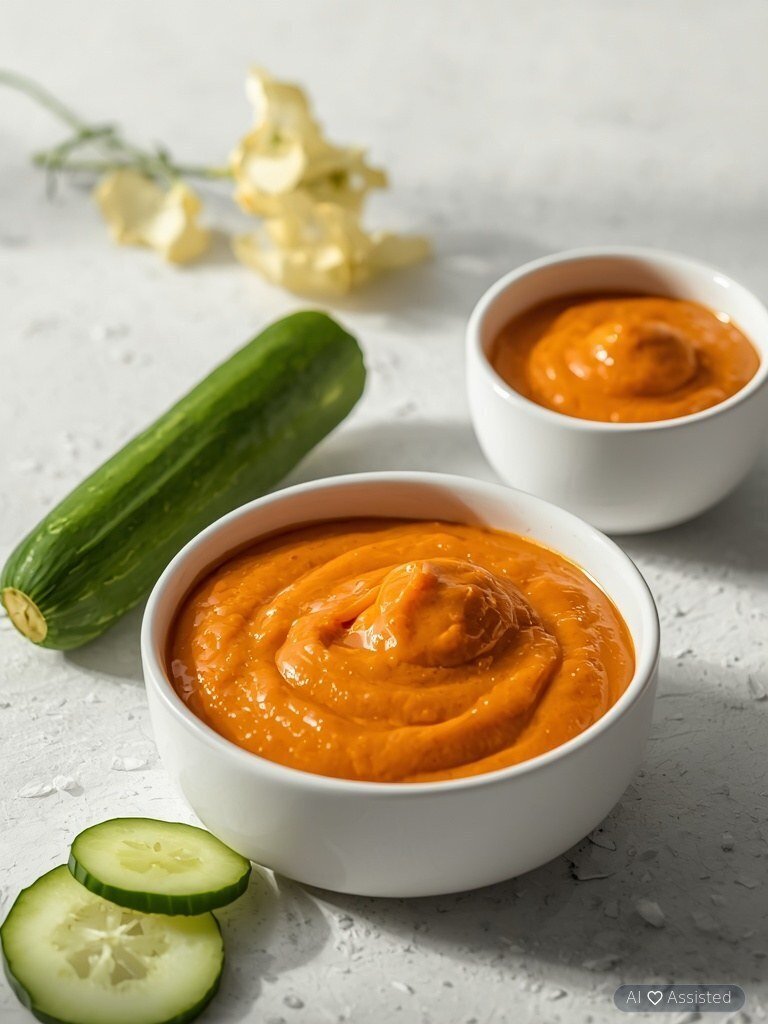
Homemade zucchini ketchup – a low-calorie recipe as an alternative to traditional tomato-based condiments
This zucchini ketchup recipe presents an innovative option for those seeking healthier substitutes for conventional tomato-based condiments. Compared to traditional ketchups, this version features a reduced caloric content while maintaining a comparable flavor profile, as the neutral taste of zucchini does not overpower the final product. The required ingredients include one and a half kilograms of peeled and deseeded zucchini, four hundred grams of peeled onions, four hundred grams of high-quality tomato paste, one to one and a half cups of sugar (adjustable based on desired sweetness), three-quarters of a cup of white vinegar, one teaspoon of hot paprika powder, one tablespoon of sweet paprika powder, and two tablespoons of table salt. The preparation process involves grating the zucchini on a coarse grater, salting it, and letting it stand for two to three hours to draw out excess moisture. The vegetable is then cooked for approximately forty minutes to reduce liquid content, after which vinegar and sugar are added; thirty minutes later, the tomato paste is incorporated. The mixture is cooked for an additional ten minutes, blended into a smooth consistency, seasoned with spices, and removed from heat after another ten minutes of cooking. The finished ketchup is transferred into sterilized jars, sealed, and allowed to cool at room temperature.
08 / 08
Pumpkin-based condiment: A spiced alternative to conventional tomato ketchup
This pumpkin-derived condiment presents a distinctive twist on conventional tomato ketchup, offering both a visually striking orange hue—attributable to its pumpkin base—and a complex flavor profile enriched by warm, aromatic spices. Unlike its tomato-centered counterpart, this version incorporates allspice berries, bay leaves, and cloves, which impart a layered, savory depth that pairs exceptionally well with autumnal dishes. The preparation involves simmering 1.5 kilograms of peeled pumpkin with unsweetened apple juice and apple cider vinegar until the flesh softens sufficiently for blending into a smooth purée. Adjustments to sweetness and spice intensity can be made by adding honey or cinnamon, tailoring the final product to individual preferences. Once blended, the ketchup is transferred to sterilized jars and sealed to ensure preservation. Its versatility extends to a wide range of culinary applications, from enhancing meat-based meals and vegetarian dishes to serving as a flavorful dip for appetizers. When selecting store-bought ketchup, prioritize options with high tomato or vegetable content and minimal additives, avoiding those containing high-fructose corn syrup or artificial thickeners for a more wholesome and authentic taste experience.
Meal Plan
Want to apply these guidelines in your daily diet?
Our smart diet generator creates a tailored meal plan in 3 minutes based on the recommendations in this article.

Scientifically reviewed by a clinical dietitian
• 25.09.2026
Isabella Taylor
Diets Premium Expert
Diets Premium team expert. Specializes in nutrition plans, strength sports, and training plans.
USDA FoodData Central
EFSA
PubMed Clinical Guidelines