PRO
7 min read
Could This Condition Be a Migraine? What Are Its Characteristics and How to Cope?
1 photo
501
Smart Voice
AI
0:00
0:00
Listen to the article content live
Table of Contents 5
PRO Content
PRO
This article is professional premium content (PRO) provided in its entirety.
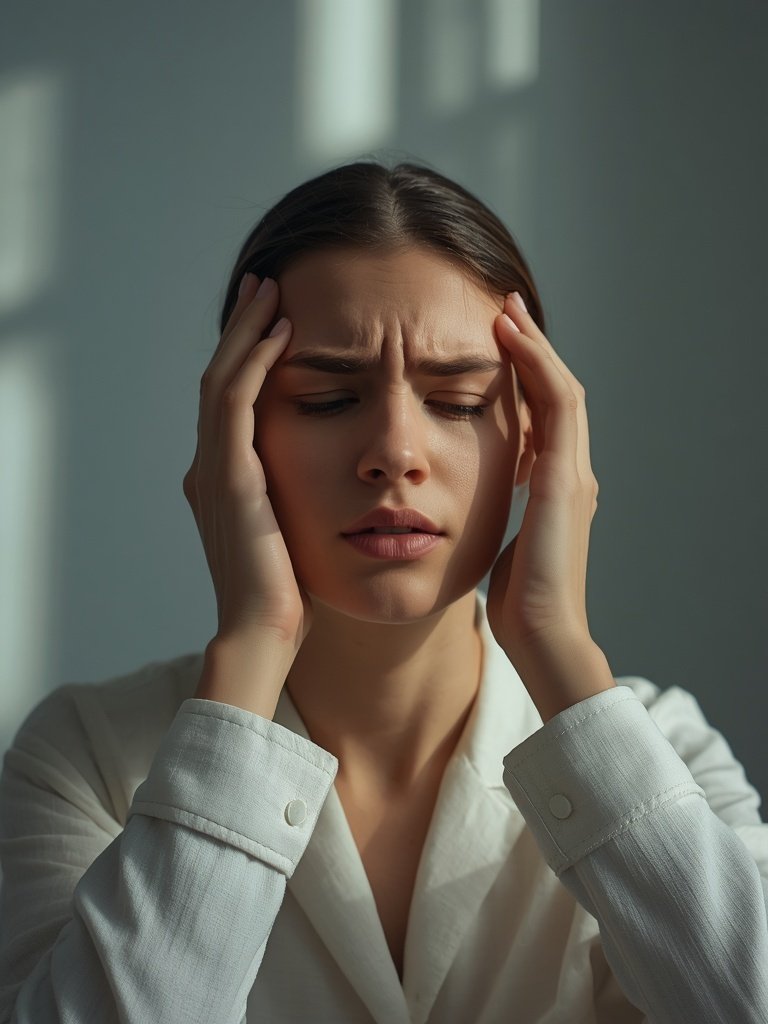
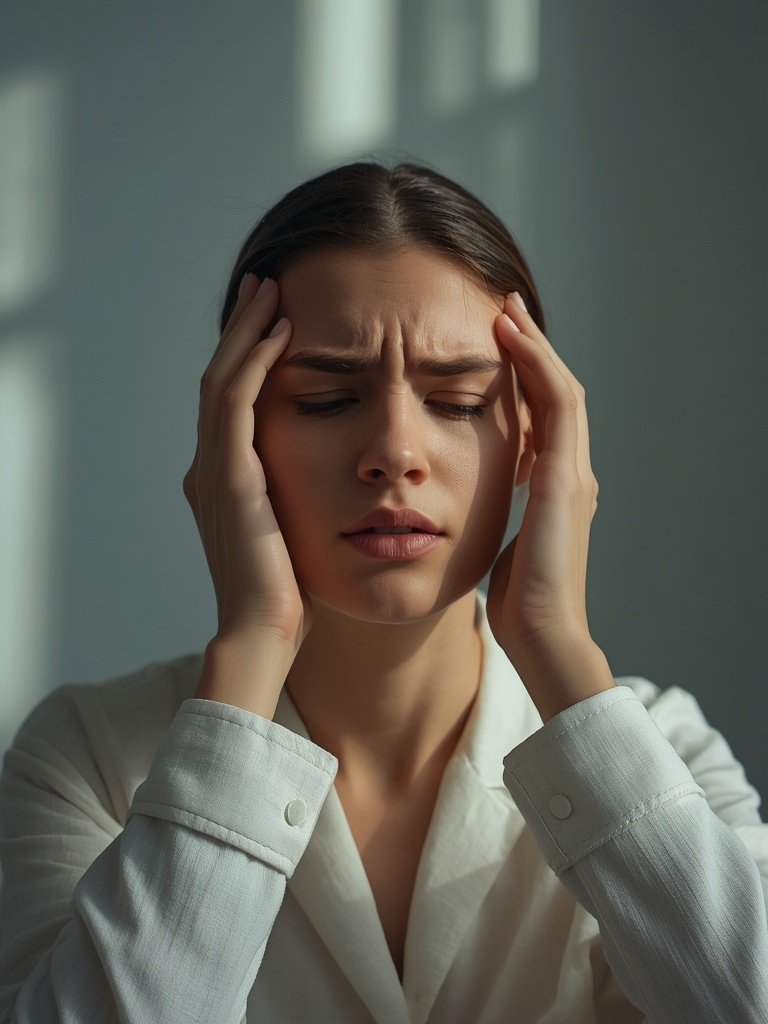
Migraine is a neurological disorder that can significantly hinder our daily functioning. It appears unexpectedly, bringing about severe headaches that are difficult to manage even after taking strong painkillers. In the following article, we will also present ways of dealing with intolerable headaches, dietary recommendations for those suffering from migraines, and the latest information on the use of supplements to improve our overall well-being. We will also describe the mechanism of migraine development and methods for its diagnosis.
01 / 05
Migraine: Definition, Variants, and Distinctive Features of the Disorder
Migraine represents a chronic, recurrent neurological disorder characterized by severe, unilateral, and often throbbing headaches that may persist for several hours up to three days. It is frequently accompanied by nausea, vomiting, and heightened sensory sensitivity to external stimuli such as noise, bright light, or strong odors. Additionally, patients may experience autonomic symptoms, including vertigo, syncope, thermoregulatory dysfunction, hyperhidrosis, and disturbances in gastrointestinal and genitourinary function. Epidemiological evidence indicates that the condition disproportionately affects women (15–18% of the population) compared to men (6%), with initial symptoms typically manifesting between the ages of 20 and 30; in 90% of cases, diagnosis occurs before the age of 40. Among children and adolescents, migraine is uncommon and is often misdiagnosed as tension-type headache. Several key subtypes of this disorder are recognized, each distinguished by unique etiologies, symptomatic presentations, and clinical trajectories.
02 / 05
Migraine: etiologic determinants and diagnostic framework based on contemporary research and clinical guidelines
Notwithstanding substantial advancements in neurological science and the proliferation of empirical investigations, the precise etiologic underpinnings of migraine remain a subject of ongoing debate within the medical community. While contemporary expert consensus affirms the hereditary nature of this disorder, the intricate pathophysiological pathways demand further rigorous exploration. A multitude of theoretical frameworks endeavors to elucidate the complex etiopathogenesis of migrainous headaches; however, the paucity of robust empirical evidence precludes the formulation of definitive conclusions. In accordance with the guidelines established by the International Headache Society (IHS), the diagnosis of migraine hinges upon strictly delineated clinical criteria, with particular emphasis placed on the exclusion of other potentially life-threatening conditions—such as subarachnoid hemorrhage, inflammatory disorders of the central nervous system, or traumatic brain injuries. The diagnostic threshold for migraine with aura necessitates a minimum of two distinct episodes exhibiting characteristic symptomatology, whereas migraine without aura requires at least five recurrent attacks to confirm the diagnosis with certainty. In clinical practice, primary care physicians and neurologists typically oversee the diagnostic process, though atypical or refractory cases may warrant referral to specialized headache clinics. Migraine attacks manifest episodically and may be precipitated by a diverse array of triggers, among which psychogenic factors (including stress, emotional overexertion, and abrupt relaxation following prolonged tension) and physiological disruptions—particularly endocrine imbalances in women during menstrual cycles or perimenopausal transitions—assume a predominant role. Additionally, environmental influences such as disrupted sleep patterns (both insomnia and hypersomnia), barometric pressure fluctuations, high-altitude exposure, nutritional deficiencies, tobacco use, and excessive exposure to high-intensity light are recognized as significant precipitants.
03 / 05
Comprehensive migraine management: pharmacological and non-pharmacological therapeutic approaches in clinical settings
Optimal migraine treatment necessitates a multidisciplinary approach that integrates acute pharmacological interventions for pain episodes, systematic prophylactic measures to prevent recurrence, and non-pharmacological supportive strategies to enhance overall patient well-being. The cornerstone of effective management lies in the immediate administration of therapeutic agents at the onset of prodromal symptoms or aura, as delays may substantially compromise their efficacy. Should pain intensity persist or escalate following the initial dose, a secondary administration is warranted in accordance with clinical guidelines. In advanced migraine stages where oral analgesics prove ineffective, alternative routes of administration—including rectal, subcutaneous, inhalational, intravenous, or intramuscular—become essential. Patients experiencing concomitant nausea or vomiting require co-administration of antiemetic medications to ensure optimal absorption of active compounds. The pharmacological mainstay remains triptans, highly selective 5-HT₁B/₁D serotonin receptor antagonists whose unique molecular configuration facilitates blood-brain barrier penetration. Their mechanism of action encompasses both peripheral and central pain modulation pathways, yielding significant clinical improvement within two hours of administration. In cases of triptan monotherapy resistance, combination therapy with nonsteroidal anti-inflammatory drugs such as naproxen or diclofenac is recommended to achieve a synergistic therapeutic outcome.
04 / 05
Migraine prophylaxis: comprehensive strategies for reducing attack frequency and severity
The fundamental purpose of migraine prophylaxis is to systematically diminish both the frequency and severity of migraine attacks while reducing their duration. This preventive approach is particularly advised for individuals experiencing recurrent, intense, and prolonged pain episodes that significantly impair daily functioning. Initiation of prophylactic therapy should be considered under the following conditions: occurrence of more than three severe migraine attacks per month, multi-day episodes characterized by high-intensity pain, lack of response to acute abortive medications, and the presence of prolonged aura that disrupts normal activities. Effective prophylaxis integrates the elimination of potential triggers with the consistent use of physician-prescribed medications. Among the most commonly utilized prophylactic agents are beta-blockers (including propranolol, nadolol, and atenolol), tricyclic antidepressants (such as doxepin and imipramine), antiepileptic drugs (notably topiramate and gabapentin), calcium channel blockers (verapamil, flunarizine), serotonin reuptake inhibitors, and serotonin receptor antagonists. Treatment should commence with low doses, gradually titrated based on individual patient response. A critical component of efficacy assessment involves maintaining a detailed migraine diary to evaluate reductions in attack frequency and intensity. Optimal therapeutic outcomes facilitate a substantial decrease in the number of pain episodes and enhanced symptom management. Typically, prophylactic treatment should not exceed one year in duration and may be discontinued once the patient achieves stable control over migraine attacks.
05 / 05
Migraine: Nutritional and Supplementation Approaches for Prevention and Symptom Alleviation
While pharmacological treatment and medical prophylaxis remain the cornerstone of migraine management, the role of a well-balanced diet and targeted supplementation cannot be overstated. Maintaining consistent meal timing and avoiding hunger—a well-documented trigger for migraine attacks—are foundational preventive measures. Certain foods, particularly those high in tyramine (e.g., aged cheeses, chocolate, cocoa products, wine, citrus fruits, bananas, nuts, and processed meats), may exacerbate the risk of painful episodes. Individual monitoring of physiological responses to specific dietary components is essential, as tolerance levels can vary widely. Additionally, ensuring adequate hydration (at least 1.5 liters of water daily) and addressing potential deficiencies in vitamins and minerals—particularly magnesium (300–600 mg/day), vitamin B2, omega-3 fatty acids, coenzyme Q10, and feverfew extract—can significantly enhance patients' quality of life. Migraine, as a pervasive and debilitating health condition, demands a comprehensive approach that integrates pharmacological interventions, lifestyle modifications, and informed dietary and supplementation strategies.
Meal Plan
Want to apply these guidelines in your daily diet?
Our smart diet generator creates a tailored meal plan in 3 minutes based on the recommendations in this article.

Scientifically reviewed by a clinical dietitian
• 25.09.2026
Stępień A., Migrena i jej najczęstsze postacie kliniczne, „Aktualności Neurologiczne” 2008, 8(2), 95–100. Stępień A., Kryteria diagnostyczne i leczenie migreny w oparciu o obowiązujące zalecenia międzynarodowe, „Medycyna po Dyplomie” 2011, 9(186), 81–87. Zawadzka M., Pilarska E., Preparaty magnezu w leczeniu migreny – przegląd wybranego piśmiennictwa, „Neurologia Dziecięca” 2012, 22(44), 35–40. Wójcik-Drączkowska H., Bilińsk W., Nika W., Migrena – rozpoznanie i leczenie, „Forum Medycyny Rodzinnej” 2007, 1(2), 109–114. Zagorzalewicz M., Patomechanizm migrenowych bólów głowy, „Neurologia Dziecięca” 2005, 14(28), 7–15. Prusiński A., Klasyfikacja, obraz kliniczny i leczenie zawrotów głowy, „Polski Przegląd Neurologiczny” 2011, 7(1), 11–20. Mendel T., Członkowska A., Leczenie Migreny, „Farmakoterapia w Psychiatrii i Neurologii” 1997, 4, 55–63.
Diets Premium Expert
Diets Premium team expert. Specializes in nutrition plans, strength sports, and training plans.
USDA FoodData Central
EFSA
PubMed Clinical Guidelines