Can diet be the key to fighting acne? Recommendations and products to avoid

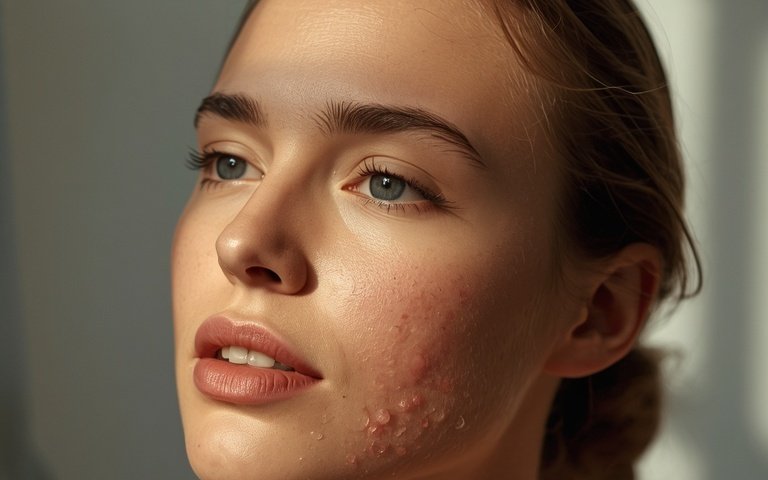
Table of Contents 3
Medical & Editorial Disclaimer (§3 Terms): This article is for informational and educational purposes only, does not constitute medical advice, diagnosis, or treatment, and is used at your own risk. Consult a qualified physician for medical conditions.
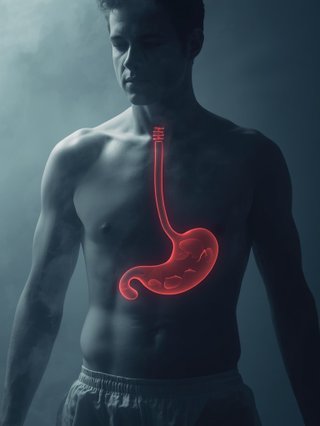
The physiological mechanisms linking diet to acne involve complex signaling pathways that regulate sebum production and inflammation. Diets characterized by rapid spikes in blood sugar and the consumption of certain dairy proteins can trigger hormonal cascades that exacerbate skin issues. By examining the gut-brain-skin axis, we can better appreciate how specific dietary patterns influence the inflammatory response within the follicles, potentially leading to clearer skin when these triggers are minimized.
To support skin health, adopting an anti-inflammatory, low-glycemic dietary pattern is highly recommended. Incorporating nutrient-dense foods rich in zinc, marine omega fatty acids, and antioxidants can help soothe the skin and promote a balanced complexion. Focusing on whole, unprocessed ingredients serves as a practical and effective strategy to nourish the body from within, acting as a valuable adjunct to a comprehensive skincare routine.
Acne is no longer confined to adolescence—an increasing number of individuals in their thirties and beyond are grappling with this persistent skin condition. While hormonal imbalances and chronic stress are frequently cited as primary triggers, researchers emphasize that a multitude of additional factors may exacerbate or even instigate inflammatory lesions such as blackheads, pustules, and deep cystic breakouts. Could a carefully tailored diet, then, serve as an effective adjunct in the pursuit of clearer, healthier skin?
Pathophysiology of acne vulgaris and diet: gut-brain-skin axis, IGF-1, and mTORC1 signaling
Dermatological consensus has evolved from dismissing diet to acknowledging its foundational mechanistic role in acne vulgaris. The Western dietary pattern—characterized by refined carbohydrates and commercial dairy—triggers acute hyperinsulinemia and surges in Insulin-like Growth Factor 1 (IGF-1).
IGF-1 phosphorylates the mechanistic target of rapamycin complex 1 (mTORC1) and inactivates the nuclear transcription factor FoxO1 within sebocytes. This cascade drives follicular infundibular hyperkeratinization, alters sebum lipid composition toward inflammatory squalene peroxidation, and fosters excessive colonization by Cutibacterium acnes.
Dietary acne triggers: high glycemic load and bovine whey proteins
Clinical trials identify two predominant dietary culprits driving inflammatory acne lesions:
- High Glycemic Load (GL) Carbohydrates: Refined grains, confections, and sweetened sodas trigger rapid glycemic spikes that sustain continuous IGF-1 elevations.
- Bovine Dairy and Whey Protein Isolates: Dairy products contain endogenous bovine hormones (dihydrotestosterone precursors) and amino acids (leucine) that disproportionately stimulate insulin secretion. In athletes, switching from whey powders to hypoallergenic plant isolates frequently halts cystic flares.
- Industrial Trans Fats and Excess Omega-6 Lipids: Deep-fried snacks exacerbate systemic inflammation via leukotriene B4 synthesis.
Anti-inflammatory dermatology nutrition: zinc, omega-3s, antioxidants, and probiotics
Therapeutic dietary management emphasizes an anti-inflammatory, low-glycemic Mediterranean paradigm:
- Bioavailable Zinc: Competitively inhibits 5-alpha-reductase conversion of testosterone to androgenic DHT while directly exerting bacteriostatic effects against C. acnes. Dietary sources include pumpkin seeds and seafood.
- Marine Omega-3 Polyunsaturated Fats (EPA/DHA): Downregulate the nuclear factor-kappa B (NF-kB) cascade, suppressing erythematous papules and pustules.
- Antioxidants and Polyphenols: Quench squalene peroxidation, protecting sebum fluidity. Found in berries, green tea, and brassica vegetables.
- Targeted Probiotics and Soluble Prebiotics: Fortify intestinal mucosal barrier integrity, curtailing systemic circulating lipopolysaccharide (LPS) endotoxemia.
Want to apply these guidelines in your daily diet?
Our smart diet generator creates a tailored meal plan in 3 minutes based on the recommendations in this article.
Tags

mgr Felix Weber
• 23.10.2026Diets Premium Expert
Diets Premium team expert. Specializes in nutrition plans, strength sports, and training plans.