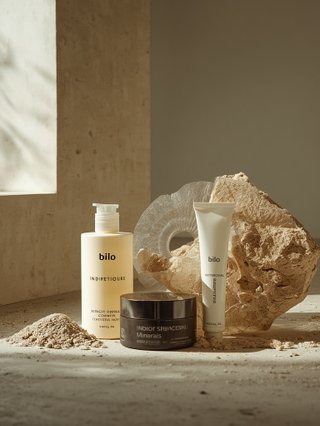
Comprehensive facial care: cleansing methods, plants supporting skin detoxification, and natural ways to treat acne


Table of Contents 3
Medical & Editorial Disclaimer (§3 Terms): This article is for informational and educational purposes only, does not constitute medical advice, diagnosis, or treatment, and is used at your own risk. Consult a qualified physician for medical conditions.
The physiological insights covered highlight the importance of targeting both lipophilic pollutants and hydrophilic residues through a methodical approach. Botanical actives such as witch hazel and German chamomile provide natural tannins and soothing compounds that regulate sebum output and calm irritation. Furthermore, the inclusion of green tea polyphenols offers a protective mechanism for dermal fibroblasts, helping to suppress inflammatory lesions and maintain cellular health.
Practical daily guidance emphasizes the use of pH-balanced cleansers and the integration of nutrient-rich home treatments. Ingredients like colloidal oatmeal, raw honey, and spirulina can be utilized to create masks that bind moisture and deliver essential microelements to the epidermis. Adopting these natural strategies supports the skin's innate regenerative capacity and contributes to a clearer, more balanced appearance without the use of harsh chemical agents.
Effective facial cleansing and cutaneous nourishment form the absolute foundation of a healthy complexion and long-term anti-aging defense. Implementing gentle double-cleansing techniques, evidence-based botanical extracts, and restorative home masks preserves the stratum corneum's delicate acid mantle and hydrolipidic integrity without causing irritation.
Two-Step Cleansing Method and Hydrolipidic Barrier Homeostasis
Comprehensive facial hygiene must target both lipophilic pollutants (excess sebum, makeup, resilient sunscreen filters) and hydrophilic residues (dust, airborne pollutants, cellular debris) without stripping the stratum corneum. The initial phase utilizes a hydrophilic cleansing oil or balm that dissolves sebum deposits within follicular pores. The second step utilizes a gentle syndet gel or foam calibrated to physiological skin pH (approx. 5.5). Traditional alkaline soaps must be avoided, as their elevated pH destabilizes the cutaneous microbiome and triggers reactive seborrhea.
Botanical Extracts in Sebum Regulation and Anti-Inflammatory Soothing
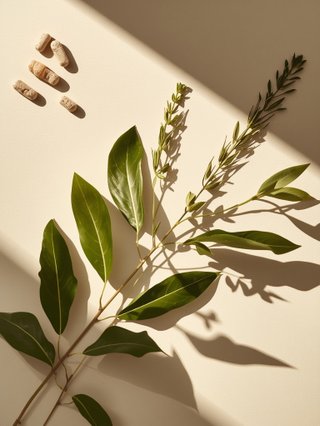
Phytodermatology furnishes proven plant actives that regulate cutaneous homeostasis. Witch hazel (Hamamelis virginiana) delivers natural tannins that gently tighten dilated pores and moderate excessive sebum output. Infusions of German chamomile (rich in chamazulene and alpha-bisabolol) and calendula exert remarkable soothing and antimicrobial actions. Concurrently, green tea polyphenols, particularly epigallocatechin gallate (EGCG), suppress inflammatory acne lesions and protect dermal fibroblasts against environmental oxidative insults.
Restorative Home Masks: Spirulina, Raw Honey, and Colloidal Oatmeal
Effective home rituals can be crafted from biocompatible, evidence-supported natural ingredients. A colloidal oatmeal paste blended with tepid water furnishes soothing beta-glucans and avenanthramides—compounds clinically recognized for mitigating pruritus and reconstituting the barrier layer. Incorporating raw unprocessed honey introduces bacteriostatic enzymes and humectant sugars that bind moisture in the epidermis. Finally, masks formulated with powdered spirulina deliver microelements, chlorophyll, and B vitamins, restoring vitality to dull, fatigued skin.
Want to apply these guidelines in your daily diet?
Our smart diet generator creates a tailored meal plan in 3 minutes based on the recommendations in this article.

Alicja Kowalska
• 25.11.2026Diets Premium Expert
Diets Premium team expert. Specializes in nutrition plans, strength sports, and training plans.