5 min read
Colorants in Food That Alter Taste Perception and Appearance
1 photo
764
Smart Voice
AI
0:00
0:00
Listen to the article content live
Table of Contents 4
The color of a product is the first aspect that captures our attention, it is a measure of its freshness, suggests its taste, and stimulates purchasing. The colorants present in food are classified as natural and synthetic.
01 / 04
Colorants in food production: properties, restrictions, and regulatory frameworks
The food industry employs a diverse array of colorants to enhance the visual appeal of products, including: plant-derived natural pigments, synthetic dyes structurally identical to their natural counterparts (laboratory-produced equivalents that exhibit no differences in chemical composition or physicochemical properties), as well as organic synthetic dyes and inorganic artificial pigments. The use of food colorants is permissible only when aimed at improving aesthetic qualities or restoring the original color lost during processing. Conversely, it is strictly prohibited to employ colorants for the purpose of concealing product defects, obscuring signs of spoilage, or masking quality deterioration—particularly when such practices compromise taste or nutritional value. A categorical ban on coloring applies to a range of unprocessed foods, such as: coffee beans, tea leaves, honey, cow’s milk and its derivatives (including cream, cottage cheese, rennet cheeses, and aged varieties), cold-pressed vegetable oils, fresh meat (including poultry), and fish and seafood. Fish, as a cornerstone of a balanced diet, provides essential omega-3 fatty acids and high-quality protein, with regular consumption linked to substantial health benefits. Additional products subject to the coloring prohibition include: hen’s eggs (both whole and processed), chocolate and chocolate-based confections, as well as cocoa powder and cocoa mass.
02 / 04
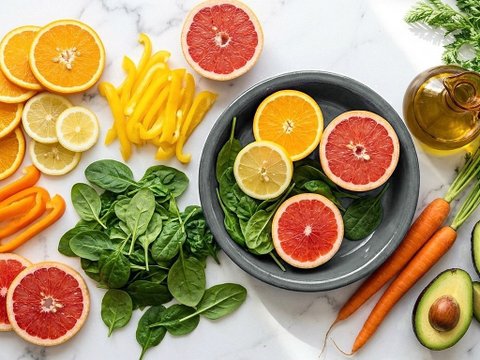
Natural food dyes
Natural dyes are a group of chemicals produced from fairly natural ingredients. They are beneficial for the oxidation of vitamins and for the toxicity of many organic solvents. Their use is one of the main advantages of this type of dyes. In the age of organic food, fashionable products of natural origin, these dyes have been highly sought after by consumers. Some of them have very health-promoting properties, protecting against oxidation by vitamins, and from diseases of the organic solvent. In addition, their use of natural dyes, with their low durability in comparison to those obtained from the synthetic solvent, is of great importance. In this age, the use of chemical dyes is also known as the synthesis of chemical substances of natural colour.
03 / 04
Synthetic organic colorants in the food industry: properties and practical applications
Advancements in food chemistry have facilitated the development of synthetic organic dyes derived from organic compounds, which have become indispensable in the modern food industry. Their utilization stems from economic necessity, as the extraction of natural dyes entails substantially higher financial expenditures. Through precise laboratory synthesis, it is possible not only to significantly reduce production costs but also to obtain colorants with enhanced chromatic stability and resistance to external factors such as light exposure, temperature fluctuations, and pH variations. These artificially produced compounds exist in multiple physical forms, including granules, powdered substances, semi-liquid pastes, and water-soluble concentrates. Among the most commonly employed synthetic dyes are tartrazine (E 102), known for its vivid yellow hue; quinoline yellow (E 104); carmoisine (E 124); patent blue V (E 131); and indigotine (E 132). Their versatile applications span the manufacturing of confectionery products, carbonated beverages, dairy and fruit desserts, as well as the coloring of alcoholic beverages with diverse color spectra.
04 / 04
Non-metallic pigmentary compounds utilized in food manufacturing
The final category worthy of discussion comprises both synthetic and naturally occurring inorganic compounds that function as surface-coloring agents in food products. Their primary objective is to achieve distinctive, visually appealing hues, which is why they are extensively employed in the manufacture of decorative sugar icings, confectionery embellishments for cakes, and flavored high-proof beverages. Under Polish regulatory provisions, the utilization of oxides and hydroxides of metals such as iron, aluminum, silver, and gold—as well as activated charcoal derived from wood—is permitted for these applications. It is important to emphasize that the coloration of food items constitutes a ubiquitous practice within the industry. However, a critical distinction must be made: not every substance bearing an E-number designation serves as a preservative or flavor enhancer. In reality, many of these codes correspond to natural dyes that exert no harmful effects on human health and may even possess beneficial nutritional properties. By acquiring foundational knowledge regarding the classification and roles of food colorants, consumers gain the capacity to make more informed and judicious dietary choices, grounded in a thorough evaluation of product ingredients.
Meal Plan
Want to apply these guidelines in your daily diet?
Our smart diet generator creates a tailored meal plan in 3 minutes based on the recommendations in this article.
Tags

Scientifically reviewed by a clinical dietitian
• 25.09.2026
Laura Schneider
Diets Premium Expert
Diets Premium team expert. Specializes in nutrition plans, strength sports, and training plans.
USDA FoodData Central
EFSA
PubMed Clinical Guidelines