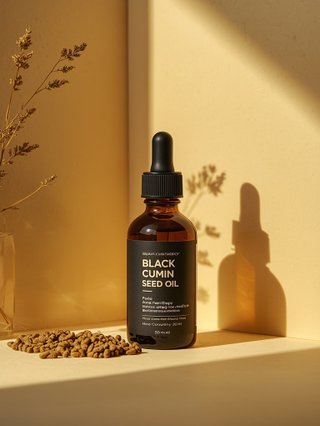
Raw, unprocessed rapeseed oil from cold-pressed seeds
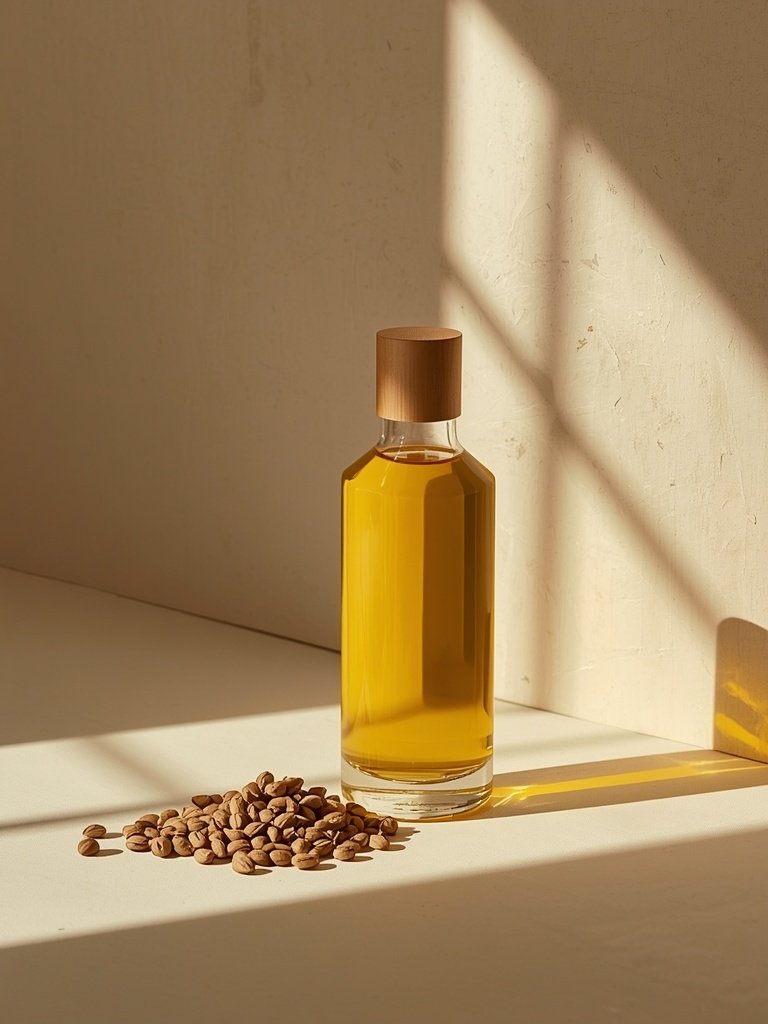
Table of Contents 4
Medical & Editorial Disclaimer (§3 Terms): This article is for informational and educational purposes only, does not constitute medical advice, diagnosis, or treatment, and is used at your own risk. Consult a qualified physician for medical conditions.
The biochemical profile of virgin rapeseed oil is anchored by a predominant fraction of monounsaturated oleic acid, which supports vascular endothelial health and lipoprotein stability. Equally important is its physiologically balanced ratio of polyunsaturated linoleic acid to alpha-linolenic acid, aligning closely with clinical dietary recommendations for essential fatty acid intake. Furthermore, the oil provides a rich supply of plant phytosterols, including brassicasterol, campesterol, and beta-sitosterol, which competitively inhibit intestinal cholesterol absorption, alongside natural vitamin E isomers and sinapic acid derivatives like canolol that deliver potent lipid-soluble antioxidant protection.
In everyday culinary practice, virgin rapeseed oil must be reserved strictly for cold applications and never used for frying. The presence of free fatty acids, trace phospholipids, and aromatic volatiles lowers its smoke point significantly, meaning that high-heat cooking triggers rapid thermal decomposition of polyunsaturated lipids into cytotoxic aldehydes such as acrolein and undesirable trans-fatty acid configurations. Consumers should select oils pressed from modern cultivars bred to be free of erucic acid and low in glucosinolates, packaged in dark glass bottles that prevent photo-oxidation, and store them in a cool, dark environment to drizzle over fresh salads or finished dishes.
Virgin, unrefined cold-pressed rapeseed oil (frequently hailed as the olive oil of the North) is one of the most therapeutically valuable plant lipids in human nutrition. It exhibits a vibrant golden hue, a delicate nutty aroma, and a pristine concentration of bioactive phytosterols and tocopherols that are typically stripped away during industrial refining.
The defining hallmark of virgin rapeseed oil is its physiologically ideal 2:1 ratio of omega-6 to omega-3 fatty acids, positioning it as an exceptional functional food for cardioprotection and systemic inflammation management. This article examines its biochemical profile, clinical health benefits, and essential storage requirements.
Biochemical profile: The optimal 2:1 omega-6 to omega-3 ratio
The predominant lipid fraction in virgin rapeseed oil is oleic acid (monounsaturated omega-9), accounting for approximately 60–65% of total fatty acids. Oleic acid enhances cardiovascular endothelial health and promotes anti-atherogenic high-density lipoprotein (HDL) stability.
Crucially, virgin rapeseed oil supplies roughly 20% linoleic acid (omega-6) and 10% alpha-linolenic acid (omega-3). This balanced 2:1 ratio aligns seamlessly with clinical nutritional recommendations, preventing the excessive pro-inflammatory eicosanoid cascade that occurs when omega-6 intake vastly outpaces omega-3 availability.
Cardioprotection via phytosterols and natural vitamin E
Virgin rapeseed oil contains an abundant complement of plant phytosterols (including brassicasterol, campesterol, and beta-sitosterol), achieving concentrations of 800 to 1,000 mg per 100 g. These sterols competitively hinder intestinal cholesterol absorption, effectively decreasing atherogenic apolipoprotein B (ApoB) particles.
Concurrently, the oil represents a rich source of natural vitamin E isomers (tocopherols and tocotrienols) alongside sinapic acid derivatives (such as canolol). These lipophilic antioxidants shield vascular endothelium from reactive oxygen species and prevent the peroxidation of low-density lipoproteins.
Culinary utilization: Raw cold use and the strict prohibition of frying
A vital nutritional rule governs virgin rapeseed oil: it must be used strictly cold. Unrefined oils contain free fatty acids, trace phospholipids, and aromatic volatiles that depress their smoke point to merely 105–110°C (220–230°F).
Heating unrefined rapeseed oil to frying temperatures induces rapid thermal decomposition of polyunsaturated lipids, generating cytotoxic aldehydes (including acrolein) and carcinogenic trans-isomer configurations. Virgin rapeseed oil should be exclusively drizzled onto finished dishes, salads, cold grain bowls, and dips immediately prior to serving.
Quality selection, freshness indicators, and proper storage standards
When selecting virgin rapeseed oil, ensure the product is sourced from canola / double-zero ('00') cultivars that are genetically bred to be virtually free of toxic erucic acid and low in glucosinolates.
The oil must be packaged in dark UV-protective glass bottles to preclude photo-oxidation. Store the bottle in a cool, dark pantry or refrigerator (ideally below 12°C / 54°F). Once unsealed, consume the bottle within 2–3 months, monitoring sensory qualities to ensure absence of bitter oxidative off-notes.
Want to apply these guidelines in your daily diet?
Our smart diet generator creates a tailored meal plan in 3 minutes based on the recommendations in this article.
Tags

Olivia Davis
• 23.10.2026Diets Premium Expert
Diets Premium team expert. Specializes in nutrition plans, strength sports, and training plans.