4 min read
Chives: Cultivation, Nutritional Value, Vitamins, and Freezing Guide
1 photo
842
Smart Voice
AI
0:00
0:00
Listen to the article content live
Table of Contents 6
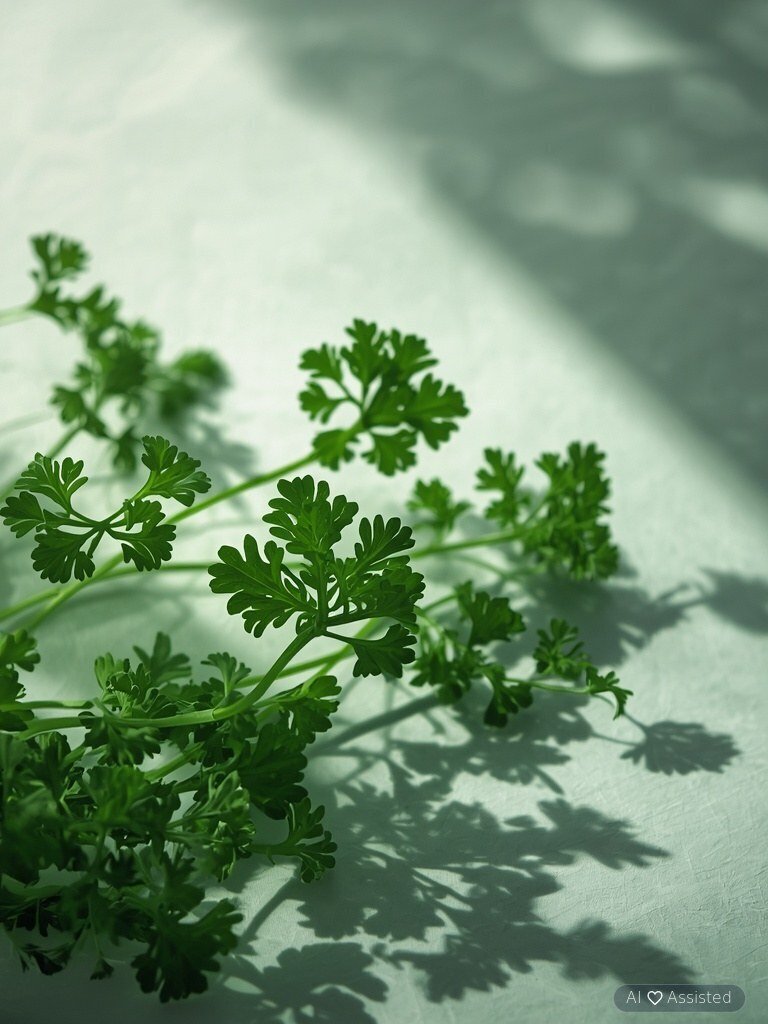
Chives are among the most versatile culinary herbs, revered not only for their fresh, zesty flavor but also for their abundance of vitamin C, carotenoids, and allicin. This article details practical methods for growing chives on windowsills and in gardens, highlights their cardiovascular and digestive benefits, and provides step-by-step guidance on freezing chives to retain their nutritional potency year-round.
01 / 06
The Allium Tube Herb: A Culinary and Historical Exploration of Its Ubiquity
This unassuming yet extraordinarily versatile culinary herb has maintained enduring popularity among both professional chefs and home cooks alike. Its year-round availability—regardless of season—ensures its permanent presence on grocery shelves across the globe. The herb’s gently pungent yet subtly onion-like flavor profile renders it an indispensable ingredient for enhancing the taste of soft cheese spreads, savory broths, crisp vegetable salads, and velvety sauces. The serendipitous circumstances surrounding its introduction to Europe trace back to mercantile activities: seeds, likely concealed within shipments of Asian goods, inadvertently spilled onto European soil during transit, where they germinated spontaneously. By the 16th century—coinciding with the Renaissance period—its deliberate cultivation became an agricultural staple, culminating in its worldwide dissemination. Today, this Allium species is cultivated in nearly every corner of the planet, deeply embedded in local culinary traditions as both a flavor enhancer and a nutritional component.
02 / 06
Cultivating chives – a step-by-step guide for home gardeners
Growing chives is remarkably straightforward, making it an ideal choice for novice gardeners seeking reliable yields with minimal effort. This hardy herb thrives equally well in outdoor garden beds and in containers placed on sunlit kitchen windowsills. Its vigorous clump-forming habit and exceptional cold tolerance allow for perennial cultivation without the need for annual reseeding. While chives are not particularly demanding in terms of soil composition, periodic supplementation with gentle organic or mineral fertilizers significantly enhances both growth vigor and flavor intensity. During late spring—particularly in May and June—the plant produces delicate, ornamental flower clusters in shades of pale violet or soft pink. Beyond their aesthetic appeal in floral arrangements, these blossoms are fully edible and lend a distinctive, subtle onion-like flavor to culinary creations, pairing exceptionally well with cheese platters, fresh salads, or summer sandwiches. This dual functionality makes chives an invaluable asset for creative meal presentation, especially during garden parties and outdoor gatherings. Propagation is achievable through both seed sowing and division of mature clumps, offering gardeners flexibility in cultivation methods. Horticultural best practices recommend transplanting established clumps to fresh locations every three to four years to prevent soil depletion and maintain optimal productivity over time.
03 / 06
Spearhead of properties
Not only is spinach a popular spice, but the substances responsible for its distinctive taste and smell are also beneficial to health. Like other vegetable plants such as garlic, spinaches contain numerous flavonoids and sulfur compounds. They support the immune system and have a beneficial effect on digestion. Spinach also contains substances that fight harmful microorganisms such as bacteria and fungi. This is one of the reasons why this plant is extremely resistant to diseases and pests, which is a real pest for the rest of the garden.
04 / 06
Chives: A Nutrient-Dense, Low-Calorie Powerhouse for Vitamin and Mineral Intake
Consuming 100 grams of chives provides the body with approximately 35 kilocalories—a negligible amount, particularly since this herb is typically used in culinary applications in modest quantities. Although botanically classified as a vegetable, chives function primarily as a flavor-enhancing condiment. A single teaspoon (roughly 5 g) contains a mere 2 kilocalories, allowing for liberal incorporation into meals without concern for excessive energy intake. Far more significant, however, is its nutritional composition: chives serve as a rich source of potassium, an electrolyte critical for maintaining optimal blood pressure levels and supporting neural conductivity. Additionally, its vibrant green leaves are packed with β-carotene (a precursor to vitamin A), substantial amounts of ascorbic acid (vitamin C), and iron. The table below outlines the precise mineral and vitamin content per 100 g of fresh chives:
Potassium [mg]: 252.00
Calcium [mg]: 97.00
Magnesium [mg]: 26.00
Phosphorus [mg]: 52.00
Iron [mg]: 1.30
β-carotene [µg]: 3400.00
Vitamin C [mg]: 41.00
Unlike its minimal caloric contribution, even small but consistent consumption of chives significantly augments the daily intake of essential micronutrients, thereby promoting a nutritionally balanced diet.
05 / 06
Optimal techniques for preserving fresh chives under domestic conditions
To maximize the shelf life of cut chives while preserving their distinctive flavor, vibrant color, and nutritional benefits, it is essential to employ appropriate refrigeration techniques. Contemporary refrigerators are equipped with advanced humidity-control systems and dedicated freshness zones that significantly decelerate oxidative and degradative processes, thereby ensuring prolonged edibility of this delicate green vegetable. By meticulously adjusting storage parameters—such as maintaining a temperature range of 1–4°C and an optimal humidity level—one can effectively safeguard the product against premature wilting and the loss of its dietary value.
06 / 06
Is freezing chives feasible, and what is the correct method to do so?
Freezing stands as one of the most effective food preservation techniques, and chives endure this process exceptionally well without compromising their flavor or aromatic qualities. Rather than discarding excess fresh chives, subjecting them to cold storage ensures you always have a flavorful ingredient on hand—even when no fresh leaves remain in your refrigerator. The procedure for freezing chives is remarkably straightforward and requires no specialized equipment. Begin by thoroughly rinsing the chives under running water, then gently patting them dry with a paper towel or clean cloth to remove all moisture. Next, finely chop the chives into uniform segments approximately 0.5–1 cm in length. Spread the cut pieces evenly across a flat, freezer-safe surface—such as a silicone mat or a baking tray lined with parchment paper—before placing them in the freezer for roughly 60–90 minutes. This initial *flash-freezing* step prevents the chives from clumping together later. Once the chives have hardened and become brittle, transfer them into airtight containers or freezer bags, ensuring to expel as much air as possible before sealing to maximize shelf life and prevent freezer burn. It is worth noting that frozen chives retain most of their nutritional benefits, including B vitamins, vitamin C, and essential minerals like potassium and calcium, as well as sulfur compounds that contribute to their distinctive taste. Incorporating chives into your regular diet supports digestive health, boosts immunity, and enhances the flavor profile of even the simplest dishes—from scrambled eggs to creamy soups. Additionally, chives are an incredibly low-maintenance plant: they thrive with minimal care, regenerate quickly after harvesting, and adorn gardens or windowsills with delicate purple blossoms. Even those without access to a garden can successfully cultivate chives in pots on a sunny kitchen windowsill, requiring only consistent watering and adequate sunlight.
Meal Plan
Want to apply these guidelines in your daily diet?
Our smart diet generator creates a tailored meal plan in 3 minutes based on the recommendations in this article.

Scientifically reviewed by a clinical dietitian
• 23.10.2026
Literatura: Banach K., Rutkowska B., Glibowski P., „Polska „super żywność ” w prewencji chorób nowotworowych”, BROMAT. CHEM. TOKSYKOL. – L, 2017, 2, str. 106 – 114 https://www.livestrong.com/article/427984-how-to-freeze-chives/ http://niepodlewam.pl/szczypiorek-uprawa-i-wymagania/
Diets Premium Expert
Diets Premium team expert. Specializes in nutrition plans, strength sports, and training plans.
USDA FoodData Central
EFSA
PubMed Clinical Guidelines