Characteristics, chemical composition, and practical utilization of pecan nuts in diet and industry
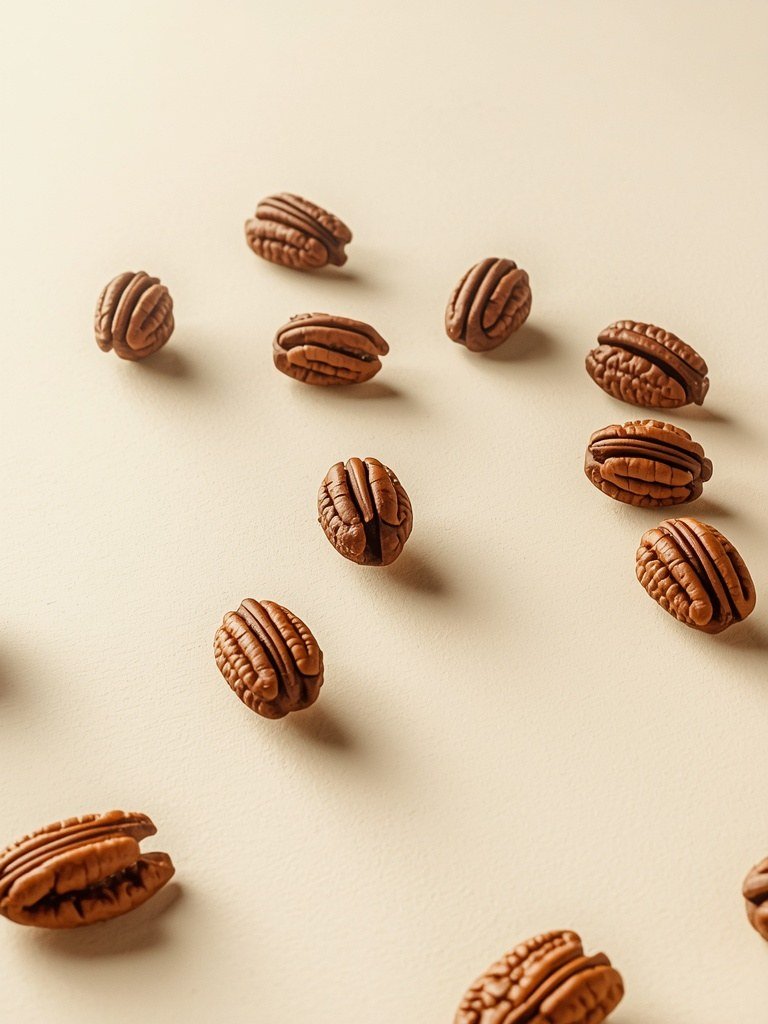
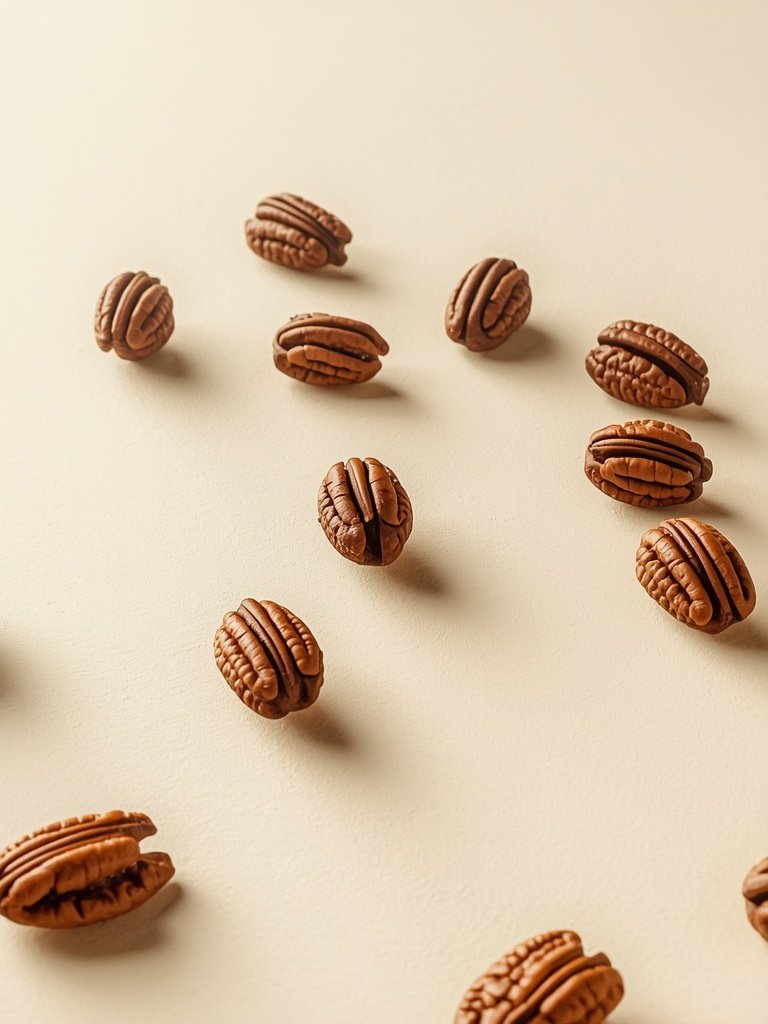
Table of Contents 4
Each nut variety is distinguished by a unique flavor profile and an abundance of essential nutrients critical for health maintenance. Pecan nuts, like other types, represent an exceptionally valuable source of polyunsaturated fatty acids, which play a pivotal role in sustaining cognitive function and decelerating degenerative age-related changes. Despite their high caloric density, their regular consumption in moderation offers metabolic benefits and can serve as a significant component of a balanced dietary regimen.
Botanical origin and characteristics of pecan nuts
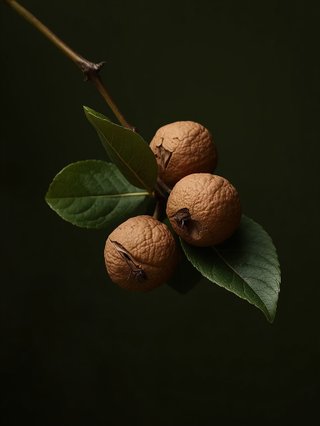
Pecan nuts are the fruit of the pecan hickory tree (Carya illinoinensis), a deciduous tree species belonging to the walnut family (Juglandaceae), native to the river valleys of North America. The term "pecan" originates from the indigenous Algonquian language, referring to a nut requiring a stone to crack due to its resilient shell.
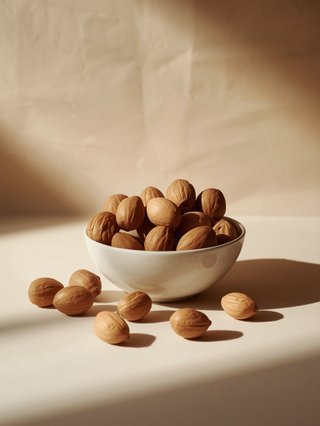
Morphologically, the edible kernel resembles that of the Persian walnut, though it features a more elongated, cylindrical geometry and a smoother, reddish-brown exterior. The cotyledons display less convoluted crevices than walnuts, contributing to a silky, refined mouthfeel. In terms of organoleptic qualities, pecans offer an exceptionally rich, buttery, and naturally sweet profile devoid of the pronounced bitterness often imparted by the higher tannin concentrations found in common walnuts.
Health-promoting properties and clinical relevance
Pecan nuts are renowned for their high concentration of bioactive phytochemicals and consistently rank near the top of foods evaluated for oxygen radical absorbance capacity (ORAC). Their potent antioxidant matrix is largely composed of polyphenols, condensed tannins, and the gamma-tocopherol isomer of vitamin E. These compounds actively neutralize reactive oxygen species, downregulating systemic inflammatory cascades and counteracting vascular endothelial dysfunction.
From a cardiometabolic perspective, regular pecan consumption exerts well-documented lipid-lowering effects. Controlled dietary trials demonstrate that replacing saturated dietary fats with monounsaturated and polyunsaturated fats from pecans promotes significant reductions in total cholesterol and circulating low-density lipoprotein (LDL) particles without attenuating beneficial HDL levels. Furthermore, the rich content of bioavailable zinc, manganese, and lipid-soluble antioxidants fosters cellular rejuvenation, strengthens immunological defenses, and supports retinal integrity.
Detailed nutritional analysis and biochemical profile
Yielding approximately 690 to 710 kcal per 100 grams, pecans are among the most energy-dense tree nuts available. Total lipids account for roughly 72% of their mass, characterized by an exceptionally advantageous fatty acid distribution: monounsaturated fatty acids (predominantly oleic acid) constitute 55–60% of total fat, polyunsaturated fatty acids (primarily linoleic acid) comprise about 30%, and saturated fatty acids remain below 10%.
Beyond their lipid matrix, pecans supply an array of functional micronutrients:
- Dietary fiber and protein: Providing roughly 9.5 g of fiber and 9 g of plant protein per 100 g, they facilitate sustained satiety, glycemic stability, and short-chain fatty acid production in the colon.
- Thiamine (Vitamin B1): Pecans deliver exceptional levels of thiamine, a crucial coenzyme in carbohydrate decarboxylation and neurotransmitter synthesis.
- Essential minerals: They represent one of the richest dietary sources of manganese (fundamental for mitochondrial superoxide dismutase activity), while also providing substantial amounts of copper, magnesium, phosphorus, and zinc.
Culinary practice, shelf life, and dietary recommendations
In both contemporary gastronomy and the food processing industry, pecans occupy a prominent position. While historically immortalized in traditional Southern American cuisine (such as the classic pecan pie), their culinary application extends far beyond confectionery. They enhance grain-based breakfast bowls, add a refined crunch to savory leafy salads, and serve as the foundation for nutrient-dense plant butters and specialty cold-pressed culinary oils.
Given their high concentration of polyunsaturated and monounsaturated lipids, pecans are susceptible to oxidative rancidity when exposed to heat, oxygen, or ultraviolet radiation. To safeguard their delicate fatty acids and bioactive polyphenols, kernels should be kept in airtight containers in a cool, dark environment; refrigeration or freezing is advised for extended storage. A standard cardioprotective dietary serving of 28 to 30 grams per day (approximately 15 to 20 halves) delivers robust nutritional benefits while integrating harmoniously into an isocaloric meal plan.
Want to apply these guidelines in your daily diet?
Our smart diet generator creates a tailored meal plan in 3 minutes based on the recommendations in this article.
Tags

mgr młodości i korzystnie wpływają na wygląd całego ciała. Można je spożywać na surowo, w formie suszonej, kandyzowanej lub solonej. Orzechy pekan stanowią podstawowy składnik popularnych w Nowym Orleanie pralinek, gdzie wykorzystywany jest ich słodki, masłowaty smak. Orzechy paken podobnie jak inne rodzaje orzechów, uchodzą za bardzo zdrowe źródło wielu składników odżywczych. Pomimo kaloryczności polecane są w prewencji chorób cywilizacyjnych, zapewniając korzystne źródło witamin, minerałów oraz ważnych antyoksydantów, które chronią komórki organizmu przed niekorzystnym wpływem wolnych rodników.
Diets Premium Expert
Diets Premium team expert. Specializes in nutrition plans, strength sports, and training plans.