PRO
6 min read
Can You Really Lower Cholesterol Without Drugs? Diet and Avoidance

1 photo
596
Smart Voice
AI
0:00
0:00
Listen to the article content live
Table of Contents 7
PRO Content
PRO
This article is professional premium content (PRO) provided in its entirety.
High cholesterol levels are one of the most common risk factors for cardiovascular diseases. To combat this issue, medications known as statins are used. However, due to their frequent side effects, they are used as a last resort, and a much more common solution is to change one's lifestyle. How can one lower elevated cholesterol levels without resorting to drugs?
01 / 07
Cholesterol – biological roles, reference ranges, and hypercholesterolemia symptoms
Cholesterol is a sterol lipid compound that fulfills indispensable physiological roles within the human body. It serves as a core structural component of cellular membranes, modulating their selective permeability and fluidity. Beyond its architectural function, cholesterol acts as a biochemical precursor in the synthesis of vital substances, including glucocorticoids (such as cortisol, the primary stress-response hormone), bile acids essential for lipid digestion, and provitamin D3 (cholecalciferol). Additionally, it contributes to neural protection by integrating into the myelin sheaths that insulate nerve fibers, thereby facilitating efficient neurotransmission. Interpretation of cholesterol blood test results necessitates consideration of variables such as biological sex, age bracket, body mass index (BMI), and concurrent cardiovascular pathologies. The optimal total cholesterol concentration should not exceed 200 milligrams per deciliter (mg/dL). A comprehensive lipid panel assessment further evaluates lipoprotein subfractions: high-density lipoproteins (HDL, colloquially "good cholesterol"), low-density lipoproteins (LDL, "bad cholesterol"), and triglycerides (TG). The reference intervals for these metrics are as follows: HDL above 60 mg/dL, LDL below 115 mg/dL, and TG below 150 mg/dL. Clinically, hypercholesterolemia primarily presents with xanthomas—yellowish, lipid-laden nodules or plaques—commonly localized to the eyelids (xanthelasma), Achilles tendons, elbows, knees, and dorsum of the hands. Associated symptoms may include heightened cold sensitivity, lower extremity heaviness, anginal chest pain, and dermatological alterations such as reduced turgor, pallor, or abnormal skin lustre.
02 / 07
Elevated cholesterol levels: primary risk factors and underlying developmental mechanisms
Factors that facilitate the elevation of cholesterol concentrations within the circulatory system include chronic exposure to stress-inducing stimuli, habitual consumption of tobacco products, physical inactivity or minimal exercise levels, frequent intake of alcoholic beverages, insufficient dietary fiber intake, suboptimal nutritional patterns—particularly the excessive consumption of sodium (table salt), high-glycemic-index foods, and saturated fats of animal origin—all of which adversely affect the body’s lipid profile.
03 / 07
Evidence-based non-pharmacological approaches to reducing cholesterol levels
While pharmacotherapy with hypolipidemic agents—particularly statins—remains the gold standard for correcting lipid metabolism disorders, its use carries a substantial risk of adverse effects, including hepatic dysfunction, chronic abdominal discomfort, and progressive myopathy that may result in irreversible muscle tissue degradation. For this reason, medical professionals emphasize that dietary modifications, physical activity, and other behavioral interventions constitute the primary preventive measures against hypercholesterolemia. Prior to initiating drug-based treatment, a range of well-documented, non-pharmacological strategies should be explored, as these can significantly improve lipid profiles without exposing the body to the potential harms associated with medication side effects.
04 / 07
Implementation of a carbohydrate-restricted diet as a more effective approach for lipid profile modulation compared to low-fat dietary patterns
Given that cholesterol is classified as a lipid compound, one might intuitively assume that reducing dietary fat intake would be the logical approach to managing its levels. However, rigorous scientific evidence indicates that restricting carbohydrate consumption yields substantially more favorable outcomes. This conclusion was substantiated by a comprehensive systematic review and meta-analysis encompassing eight large-scale, randomized controlled trials with a minimum duration of six months. The study involved a total of 1,633 participants who were randomly assigned to one of two distinct dietary intervention groups: one adhering to a low-fat regimen and the other following a carbohydrate-restricted protocol. The group subjected to the low-carbohydrate diet demonstrated markedly superior improvements in lipid profile markers, as meticulously documented in the 2019 publication by Gjuladin-Hellon and colleagues.
05 / 07
Consistent physical exercise as a cornerstone of metabolic and cardiovascular preventive care
Individuals leading a predominantly sedentary lifestyle constitute a high-risk group for cardiovascular disorders, which are frequently associated with elevated blood lipid levels and excessive adipose tissue accumulation. Structured physical exercise serves as a critical preventive measure against circulatory system diseases while concurrently promoting balanced lipid metabolism. A study involving 27 female university students who engaged in an eight-week aerobic training regimen—ranging from moderate to high intensity—demonstrated substantial health benefits: low-density lipoprotein (LDL) cholesterol concentrations decreased by 9.8%, whereas high-density lipoprotein (HDL) levels increased by 22.7%. Additionally, aerobic capacity, as measured by VO₂max, improved by 3.8% (Juhas et al., 2020). The type of physical activity also proves significant—a comparative analysis of lipid profiles between wrestlers and soccer players revealed that athletes from endurance-based sports (soccer) exhibited more favorable markers: higher HDL-C concentrations alongside lower total cholesterol and LDL-C levels compared to wrestlers, whose training primarily involves anaerobic exertion (Cetin et al., 2020). Physical activity is furthermore routinely recommended as a therapeutic intervention for obesity, a condition often accompanied by dyslipidemia. A 2019 systematic review and meta-analysis encompassing 64 scientific studies with 109 obese participants confirmed that diverse exercise modalities exerted the most pronounced effect on triglyceride (TG) reduction, whereas alterations in LDL and HDL lipoprotein concentrations were less marked (Kim et al., 2019).
06 / 07
Therapeutic role of probiotics in lipid profile regulation and metabolic modulation: a clinical evidence review
The health of the gut microbiota constitutes a fundamental component of overall physiological well-being, exerting influence over digestive efficiency and the bioavailability of select nutrients. An expanding body of scientific research indicates that specific probiotic bacterial strains may exert beneficial effects on lipid metabolism parameters. In a randomized trial involving 49 adult patients diagnosed with hypercholesterolemia, a 12-week supplementation intervention utilizing encapsulated cultures of *Lactobacillus plantarum* ECGC 13110402 was implemented. Within the initial six-week period, a statistically significant 37.6% reduction in total cholesterol concentration was documented. Over the subsequent six weeks, further improvements in lipid profiles were observed: a 53.9% decrease in triglyceride (TG) levels alongside a 14.7% increase in high-density lipoprotein cholesterol (HDL-C). Additionally, participants demonstrated a mean 6.6% reduction in systolic blood pressure values (Costabile et al., 2017). The beneficial outcomes were not limited to a single strain—other investigations corroborated comparable effects for *Bifidobacterium breve* B-3, *Lactobacillus plantarum* A7, and a combination of *Lactobacillus acidophilus*, *Lactobacillus casei*, and *Bifidobacterium bifidum* across diverse population groups, including individuals with prediabetic metabolic conditions, type 2 diabetes, and gestational diabetes.
07 / 07
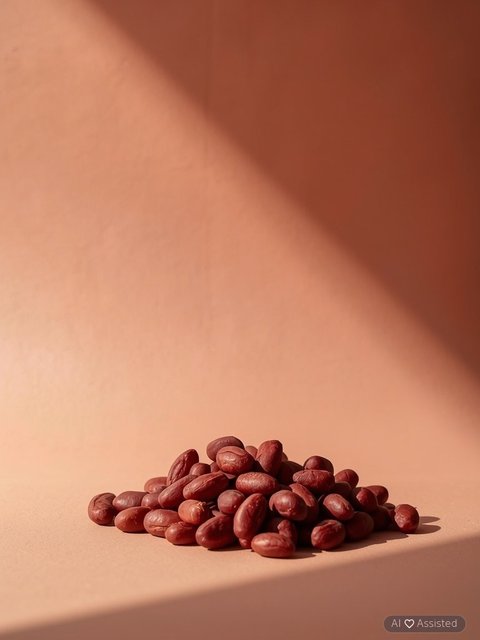
Fermented red yeast rice extract: A pharmacology-free lipid-modulating agent
Among the most frequently employed non-pharmacological strategies for maintaining optimal lipid profiles is supplementation with fermented red yeast rice extract. Its distinction lies in the presence of monacolin K—a bioactive compound whose capacity to lower low-density lipoprotein (LDL) and total cholesterol levels rivals the efficacy of conventional statin medications. These properties are substantiated by findings from a randomized clinical trial involving a cohort of 52 adults with hypercholesterolemia (total cholesterol >200 mg/dL). Participants who consumed a standardized preparation containing this extract over an eight-week period demonstrated a statistically significant 22% reduction in LDL concentrations and a 15% decrease in total cholesterol. Furthermore, 16% of individuals in the intervention group exhibited a reduced ten-year risk of cardiovascular events, as assessed by the SCORE scale—a tool widely used in primary cardiovascular disease prevention (source: Verhoeven et al., 2013).
Meal Plan
Want to apply these guidelines in your daily diet?
Our smart diet generator creates a tailored meal plan in 3 minutes based on the recommendations in this article.

Scientifically reviewed by a clinical dietitian
• 25.09.2026
mgr Abbasi B. et al., Effects of probiotic soymilk on lipid panel in type 2 diabetic patients with nephropathy: A double-blind randomized clinical trial, „Progress in Nutrition” 2018, 20(2), 70–78. Arent-Piotrowska K., Hipercholesterolemia – zmora dzisiejszych czasów. Co zrobić, by zapobiec jej konsekwencjom w świetle aktualnych zaleceń kardiologicznych, „Problemy Higieny i Epidemiologii” 2018, 99(2), 108–113. Cetin S. et al., Comparison of Lipid and Lipoprotein Values of Wrestlers and Soccer Players, „Turkish Journal of Pharmaceutical Sciences” 2020, 17(2), 172. Costabile A. et al., An in vivo assessment of the cholesterol-lowering efficacy of Lactobacillus plantarum ECGC 13110402 in normal to mildly hypercholesterolaemic adults, „PloS One” 2017, 12(12), e01787964. Gjuladin-Hellon T. et al., Effects of carbohydrate-restricted diets on low-density lipoprotein cholesterol levels in overweight and obese adults: a systematic review and meta-analysis, „Nutrition Reviews” 2019, 77(3), 161–180. Juhas I. et al., Effects of an eight-week exercise program on parameters of the lipid profile of female students, „Journal of Medical Biochemistry” 2020, 39(1), 40. Kim K.B. et al., Effects of exercise on the body composition and lipid profile of individuals with obesity: a systematic review and meta-analysis, „Journal of Obesity & Metabolic Syndrome” 2019, 28(4), 278. Minami J. et al., Effects of Bifidobacterium breve B-3 on body fat reductions in pre-obese adults: A randomized, double-blind, placebo-controlled trial, „Bioscience of Microbiota, Food and Healht” 2018, 37(3), 67–75. Sabico S. et al., Effects of a 6-month multi-strain probiotics supplementation in endotoxemic, inflammatory and cardiometabolic status of T2DM patients: A randomized, double-blind, placebo-controlled trial, „Clinical Nutrition” 2019, 38(4), 1561–1569. Siri-Tarino P.W., Effects of diet on high-density lipoprotein cholesterol, „Current Artherosclerosis Reports” 2011, 13(6), 453–460. Verhoeven V. et al., Red yeast rice lowers cholesterol in physicians – a double blind, placebo controlled randomized trial, „BMC Complementary and Alternative Medicine” 2013, 13, 1–7.
Diets Premium Expert
Diets Premium team expert. Specializes in nutrition plans, strength sports, and training plans.
USDA FoodData Central
EFSA
PubMed Clinical Guidelines