Can the Skin Aging Process Truly Be Decelerated Through a Suitable Diet?
1 photo
2831
Smart Voice
AI
0:00
0:00
Listen to the article content live
Table of Contents 7
PRO Content
PRO
This article is professional premium content (PRO) provided in its entirety.
The skin constitutes the largest organ in the body that interacts with the external environment. Much like all other organs, it is subject to aging over time. Due to the impact of external factors, such as UV radiation and pollution, indications of skin aging manifest significantly earlier. Is it genuinely feasible to decelerate this process by means of a suitable diet?
01 / 07
The composition of the skin
The skin is made up of three main layers: the epidermis (the outermost layer), the dermis, and the subcutaneous tissue. Furthermore, the skin contains sebaceous and sweat glands, hair, nails, blood and lymphatic vessels, nerve endings. The epidermis is composed of several layers: the deepest basal layer, the spinous layer, the granular layer, and the outermost horny layer. The dermis is composed of two layers: the reticular layer (which makes up 80% of the skin's thickness) and the papillary layer. The reticular layer contains collagen fibers, elastin, and other fibers, between which are found fibroblasts that produce collagen and elastin. The papillary layer contains elastic and keratin fibers, as well as blood vessels and nerves. The subcutaneous tissue contains fat cells, sebaceous and sweat glands.
02 / 07
Process of skin aging
Skin aging can be caused by the passage of time or by the effects of UV radiation (so-called skin photogrowth). Both processes are slightly different. Aging depends on the individual characteristics of the body and manifests itself in dry skin, loss of elasticity, and wrinkles. This is the result of changes occurring in the skin: a decrease in the number of fibroblasts (producing collagen and elastin), collagen fibers, and a gradual loss of the skin's regenerative abilities. Skin photogrowth is the result of excessive exposure to UV radiation, which manifests itself in the formation of wrinkles, skin graying, and pigmentation. UVA radiation can penetrate deep into the skin layers, leading to collagen breakdown and inhibition of hyaluronic acid synthesis. UVB radiation can intensify the inflammatory response and destructively affect DNA. Pigmentation is caused by an excessive production of melanin, which is stimulated by sunlight. Oxidative stress also contributes to the acceleration of skin aging – under the influence of UV radiation, the number of free radicals in cells increases, leading to DNA damage, inflammatory response, and inhibition of collagen production. Vitamins A, C, and E are known for their photoprotective properties.
03 / 07
Ascorbic, Retinol and Tocopherol acids
A deficiency in ascorbic acid can lead to scurvy, which is characterized by impaired wound healing. Due to its antioxidant properties, ascorbic acid can protect the skin from the harmful effects of UV radiation. Studies have shown that a 3-month supplementation of vitamins A and E significantly reduced the adverse effects of sunlight on the skin and decreased the number of DNA damage markers in the skin of the study participants (M. Placzek et al. 2005). Ascorbic acid works synergistically with vitamin E, which is the main antioxidant in the skin – it donates its electron to free radicals to neutralize them. Ascorbic acid provides an electron back to vitamin E, acting as secondary antioxidants. Vitamin A fulfills the same function for ascorbic acid. Therefore, it is necessary to provide these nutrients regularly from food to maintain the body's balance. Additionally, ascorbic acid has properties that stimulate the proliferation of fibroblasts, which affects the appearance of young skin. Studies (M.C. Cosgrove et al.) have shown that a higher intake of ascorbic acid in women aged 40-74 was associated with fewer wrinkles and less dry skin.
04 / 07
Products rich in vitamins C, E, A, and β-carotene
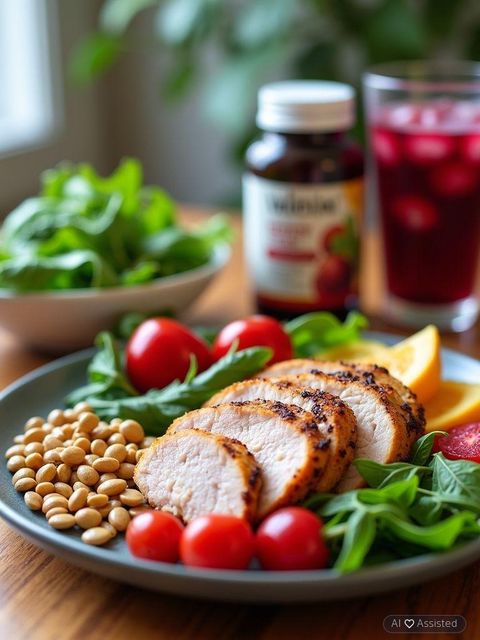
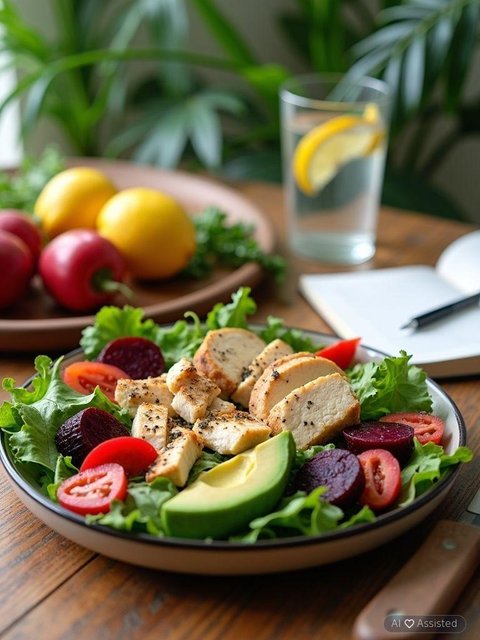
Products rich in vitamin C: blackcurrant, red bell pepper, Brussels sprouts, parsley, strawberries, oranges, kiwi, potatoes. Products rich in vitamin E: sunflower seeds, almonds, walnuts, sunflower oil, almond oil, olive oil. Products rich in vitamin A and β-carotene: peaches, spinach, broccoli, carrots, blueberries, dill, grapefruit, mangoes, cherries. Although the intake of vitamin A and β-carotene in the diet does not pose a risk of overdose, caution should be exercised in their supplementation. No higher dose should be taken than recommended by the manufacturer. Unfortunately, for smokers supplementing with β-carotene, the risk of lung cancer is increased (P. Middha et al. 2019). Therefore, smoking individuals are not recommended to use this supplement. For the skin, consuming products rich in vitamins C, A, and E throughout the year is certainly the best solution.
05 / 07
Almonds and Mangoes
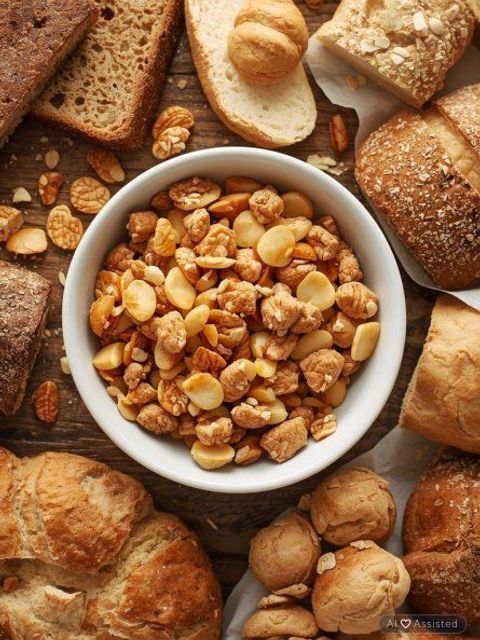
This sounds improbable, but eating almonds may reverse the signs of aging. At least that's what the results of the study showed (I. Fishak et al., 2021). Post-menopausal women consumed almonds for 24 weeks as part of their 20% nutritional intake of their diet. The depth of wrinkles and discoloration was reduced as early as week 16 of the study. The authors suggested that this effect may be associated with the presence of vitamin E and niacin in almonds. Both of these components may regulate skin pigmentation. Mango has similar properties. Consuming 80 grams of mango per day by women after menopause reduced their wrinkles after 16 weeks of the study (the opposite effect was observed in women who consumed 250 grams of mango daily, their wrinkles deepened). Researchers attribute this effect to the presence of carotenoids and polyphenols in mango.
06 / 07
Probiotics and their Derivatives
In a comprehensive review, the effects of a 12-week supplementation with probiotic Lactobacillus plantarum HY7714 were investigated. In individuals aged 41 to 59, a reduction in wrinkles and an improvement in the fresh appearance of the skin were observed after 12 weeks. Skin elasticity increased by more than 20% (D. E. Lee et al., 2015). The mechanism by which probiotics affect the skin is not yet fully understood, however, supplementation may have a positive impact on the composition of the gut flora, which may be associated with a reduced risk of producing pro-inflammatory compounds.
07 / 07
Should the Diet be Supplemented with Collagen?
Dietary supplements containing collagen typically contain its peptides, which are smaller protein molecules rich in amino acids such as proline, glycine, and hydroxyproline. Theoretically, these peptides can be used by the body to produce collagen and even stimulate the production of hyaluronic acid by fibroblasts. The results of some studies are promising, but not sufficient for definitive conclusions (N. B. S. Jhawar et al., 2019). In various studies, different dosages of collagen or mixtures of peptides were used. In one study of Japanese women aged 40-59, a significant increase in skin hydration was observed after taking 10 grams of hyaluronic acid per day for 56 days (J. Asserin et al., 2015). The same group of scientists conducted a similar experiment with French women, in which a higher density of collagen in the skin was observed after 12 weeks of taking supplements. In another study, 85 Chinese women aged 35-55 found that they had greater skin hydration after taking peptides of collagen compared to the placebo group (N. Inoue, F. Sugihara, X. Wang, 2016). Nutrition has an impact on the appearance of the skin. It is not clear what should be eaten to slow down the aging process of the skin. However, it is certain that regular consumption of vitamin A, β-carotene, vitamin C, and vitamin E is important. Surprisingly, regular consumption of almonds can also have positive effects. Should collagen be supplemented? It is a question worth considering, preferably after consulting a dermatologist. Anti-aging probiotics are currently still in the development stage, but the bacterium L. Plantarum HY7714 shows promising results.
Meal Plan
Want to apply these guidelines in your daily diet?
Our smart diet generator creates a tailored meal plan in 3 minutes based on the recommendations in this article.

Scientifically reviewed by a clinical dietitian
• 21.03.2026
Olivia Davis
Diets Premium Expert
Diets Premium team expert. Specializes in nutrition plans, strength sports, and training plans.
USDA FoodData Central
EFSA
PubMed Clinical Guidelines