Can a Tryptophan-Rich Diet Improve Your Mood?
1 photo
2638
Smart Voice
AI
0:00
0:00
Listen to the article content live
Table of Contents 9
PRO Content
PRO
This article is professional premium content (PRO) provided in its entirety.
Mental well-being and overall wellness are susceptible to numerous factors, both those that come from the outside and those that result from internal processes within the body. In order for these processes to run smoothly, it is essential to provide the appropriate nutrients through food. One of them is tryptophan. How does it impact mood? In what products can it be found? It is worth looking into this.
01 / 09
What is tryptophan?
Tryptophan is one of the twenty amino acids present in the human body and forming part of proteins. It belongs to the group of exogenous amino acids, which implies that the body cannot produce it on its own and it is necessary to supply it with food. Owing to its structure and composition, this compound occurs in the forms of L-tryptophan and D-tryptophan. The biologically active form that predominates in organisms, food, and supplements is L-tryptophan.
02 / 09
The significance of tryptophan in the body
Tryptophan, like every other amino acid, is essential for protein synthesis in the body. However, its role extends beyond this process. It is responsible for the proper functioning of the nervous system. Tryptophan plays a crucial part in the production of two significant hormones: serotonin, which is responsible for mood (known as the happiness hormone) and melatonin, which regulates the daily rhythm (known as the sleep hormone). Additionally, tryptophan is a precursor to vitamin B3, also known as niacin. It also influences carbohydrate metabolism, contributing to appetite control, and increases immunity while promoting proper lactation.
03 / 09
Daily necessity of tryptophan
The necessity of tryptophan in the body depends on age and body weight, reaching its peak in infants and gradually decreasing with age. The recommended daily intake (per kilogram of body weight) is: Infants - 13 mg, Children aged 1 to 3 years - 8 mg, Children aged 4 to 13 years - 6 mg, Boys aged 14 to 18 years - 6 mg, Girls aged 14 to 18 years - 5 mg, Adults over 18 years - 5 mg (as per J. R. Lupton et al., 2005).
04 / 09
Impacts of Tryptophan Deficiency and Excess
Maintaining an adequate level of tryptophan in the body is necessary for sustaining a sense of well-being. Insufficiency of this amino acid can lead to symptoms of the nervous system, such as mood swings, depression, apathy, anxiety, and sleep disorder. Excess tryptophan can also cause undesirable effects, such as headaches, drowsiness, nausea, vomiting, and dryness of mouth. In extreme cases, there may be motor problems, lack of coordination, visual impairment, inhibition of growth, muscular atrophy, or liver steatosis.
05 / 09
Tryptophan sources in diet: Discover them in your daily intake
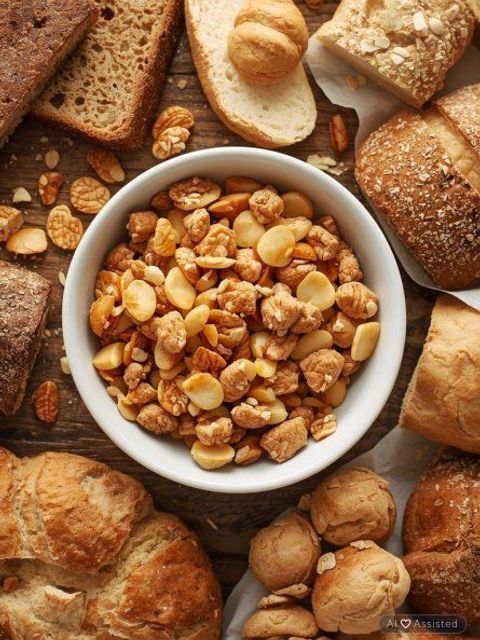
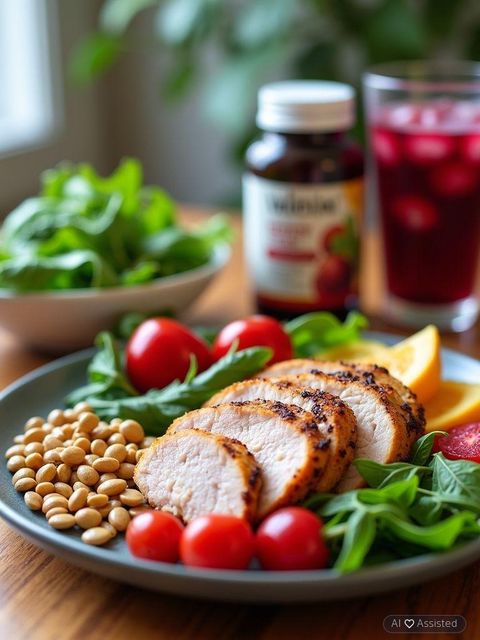
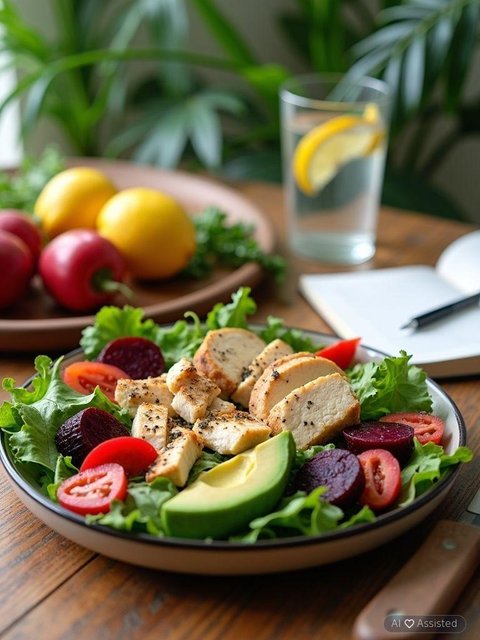
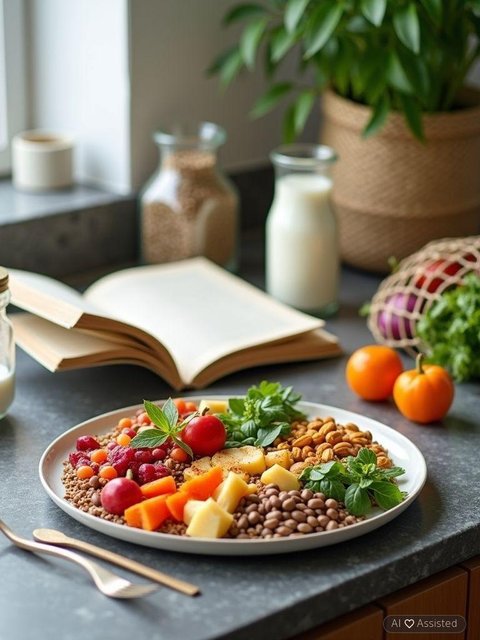
Tryptophan, an essential amino acid, is primarily present in high-protein foods of both animal and plant origin. Discover significant sources of tryptophan in your daily diet: - Meat: chicken and turkey, lean beef, lean pork, - Fish: salmon and tuna, - Dairy products: mozzarella, yellow cheese, and cheddar, - Legume seeds: soybean, lentils, and beans, - Seeds and nuts: pumpkin seeds, chia seeds, flax seeds, kidney beans, and peanuts.
06 / 09
Tryptophan and its significance for mental health
In a previous statement, tryptophan was identified as a critical component in the production of serotonin, which exerts an inhibitory effect on the central nervous system (CNS). This substance is responsible for the regulation of sleep, pain, impulsive behavior, sexual desire, and aggression. Tryptophan demonstrates a calming and relaxing effect and contributes to the reduction of nervous tension levels and stress susceptibility.
07 / 09
Depression, mood, anxiety in relation to tryptophan levels
Many researchers have investigated the relationship between tryptophan levels in the body and the occurrence of depression and anxiety symptoms (K. Shaw, J. Turner, Ch. Del Mar 2002; C. R. Markus et al. 2010; A. Kikuchi, A. Tanabe, Y. Iwahori 2021). Scientists have found that a deficiency in tryptophan leads to a decline in mood. This effect is dependent on individual factors – in people who have suffered from depression or anxiety disorders in the past, a greater decrease in well-being has been observed. Participants of a study who were given a tryptophan-rich diet reported an improvement in mood and a reduction in depression and anxiety symptoms (M. Badrasawi et al. 2013). Other studies have confirmed that consuming larger amounts of tryptophan leads to a decrease in anxiety and an improvement in mood (G. Lindseth, B. Helland, J. Caspers 2015). It is worth noting that tryptophan is also associated with the regulation of the hormonal system and the effect of cortisol, the stress hormone (D. M. Richard et al. 2009).
08 / 09
The length and quality of sleep
Persistent sleep disturbances are significantly linked to a decline in well-being, mood, and depression. Tryptophan plays a role in the production of melatonin, the hormone responsible for the normal sleep-wake cycle. Melatonin is produced by the pineal gland in the evening hours. Adequate sleep length and quality may be associated with improved mood, which is why researchers have been interested in the effects of tryptophan consumption on nighttime rest. In a study involving 94 individuals aged 19-22, it was observed that consuming breakfast containing tryptophan-rich foods, such as fermented soy (natto) and bananas, along with additional light therapy (aimed at accelerating serotonin synthesis) was associated with improved sleep quality, shortened sleep latency, and a normal daily rhythm (K. Wada et al. 2013). Similar results were obtained in children aged 2-6 years (M. Nakade et al. 2012). However, these studies did not consider an equal, strictly defined amount of amino acid. They assumed that the consumed meals should provide protein and contain products that are a good source of tryptophan (meat, fish, eggs, soy). There is, however, a study in which the dose was controlled. A group of volunteers aged 55-75 consumed cereal flakes enriched with tryptophan. Data was collected for 3 weeks: - in the first week, breakfast and dinner consisted of a portion of the product with standard tryptophan content (22.5 mg in 30 g flakes), - in the second week, the enriched product (60 mg in 30 g flakes) was consumed in the same amount, - in the third week, a traditional diet was followed. It was observed that providing a larger amount of tryptophan along with the diet (second week) significantly improved sleep parameters. There was an extension of actual rest time, an increase in its effectiveness, a reduction in nighttime activity and the number of awakenings, and a shortening of sleep latency (R. Bravo et al. 2013).
09 / 09
Brief Overview
Tryptophan, being an exogenous amino acid, must be provided through food. It is essential for the correct course of numerous processes, but more importantly, it plays a key role in the production of significant hormones and neurotransmitters. Research is being conducted on the effects of dietary tryptophan on mood. Although the body utilizes only a small portion of it for serotonin synthesis, researchers indicate that consuming tryptophan-rich products may be significant for mood enhancement and maintaining well-being. Therefore, it is advisable to consider including the products mentioned in this article in the daily diet. Not only are they a good source of tryptophan, but also of many other essential nutrients - their consumption will thus have beneficial effects on health.
Meal Plan
Want to apply these guidelines in your daily diet?
Our smart diet generator creates a tailored meal plan in 3 minutes based on the recommendations in this article.

Scientifically reviewed by a clinical dietitian
• 24.03.2026
Badrasawi M. et al., Effect of Talbinah food consumption on depressive symptoms among elderly individuals in long term care facilities, randomized clinical trial, „Clinical Interventions in Aging” 2013, 8, 279–285. Bell C.J., Hood S.D., Nutt D.J., Acute Tryptophan Depletion. Part II: Clinical Effects and Implications, „Australian & New Zealand Journal of Psychiatry” 2005, 39(7), 565–574. Bravo R. et al., Tryptophan-enriched cereal intake improves nocturnal sleep, melatonin, serotonin, and total antioxidant capacity levels and mood in elderly humans, „Age” 2013, 35(4), 1277–1285. Glibowski P., Misztal A., Wpływ diety na samopoczucie psychiczne, „Bromatologia i Chemia Toksykologiczna” 2016, 49(1), 1–9. Heitzman J., Zaburzenia snu – przyczyna czy skutek depresji?, „Psychiatria Polska” 2009, 43(5), 499–511. Jenkins T.A. et al., Influence of Tryptophan and Serotonin on Mood and Cognition with a Possible Role of the Gut-Brain Axis, „Nutrients” 2016, 8(1), epub. Kałużna-Czaplińska J. et al., How important is tryptophan in human health?, „Critical Reviews in Food Science and Nutrition” 2019, 59(1), 72–88. Kikuchi A., Tanabe A., Iwahori Y., A systematic review of the effect of L-tryptophan supplementation on mood and emotional functioning, „Journal of Dietary Supplements” 2021, 18(3), 316–333. Le Floc’h N., Otten W., Merlot E., Tryptophan metabolism, from nutrition to potential therapeutic applications, „Amino Acids” 2011, 41(5), 1195–1205. Lieberman H.R., Agarwal S., Fulgoni V.L., Tryptophan Intake in the US Adult Population Is Not Related to Liver or Kidney Function but Is Associated with Depression and Sleep Outcomes, „The Journal of Nutrition” 2016, 146(12), 2609–2615. Lindseth G., Helland B., Caspers J., The Effects of Dietary Tryptophan on Affective Disorders, „Archives of Psychiatric Nursing” 2015, 29(2), 102–107. Lupton J.R. et al., Dietary Reference Intakes For Energy, Carbohydrate, Fiber, Fat, Fatty Acids, Cholesterol, Protein, and Amino Acids, Washington 2005. Markus C.R. et al., Effect of tryptophan-rich egg protein hydrolysate on brain tryptophan availability, stress and performance, „Clinical Nutrition” 2010, 29(5), 610–616. Nakade M. et al., Can breakfast tryptophan and vitamin B6 intake and morning exposure to sunlight promote morning-typology in young children aged 2 to 6 years?, „Journal of Physiological Anthropology” 2012, 31(1), epub. Neumeister A., Tryptophan depletion, serotonin, and depression: where do we stand?, „Psychopharmacology Bulletin” 2003, 37(4), 99–115. Peplińska-Miąskowska J., Wichowicz H., Waśkow M., Potencjalny wpływ wybranych składników diety na stan psychiczny, „Neuropsychiatria. Przegląd Kliniczny” 2017, 9(3), 101–107. Richard D.M. et al., L-Tryptophan: Basic Metabolic Functions, Behavioral Research and Therapeutic Indications, „International Journal of Tryptophan Research” 2009, 2, 45–60. Shaw K.A., Turner J., Del Mar Ch., Tryptophan and 5‐Hydroxytryptophan for depression, „Cochrane Database of Systematic Reviews” 2002, 1, epub. Smith K. et al., Effect of Tryptophan Depletion on Mood in Male and Female Volunteers: A Pilot Study, „Human Psychopharmacology: Clinical & Experimental” 1997, 12(2), 111–117. Wada K. et al., A tryptophan-rich breakfast and exposure to light with low color temperature at night improve sleep and salivary melatonin level in Japanese students, „Journal of Circadian Rhythms” 2013, 11, epub.
Diets Premium Expert
Diets Premium team expert. Specializes in nutrition plans, strength sports, and training plans.
USDA FoodData Central
EFSA
PubMed Clinical Guidelines