PRO 7 min read

Calm the Nervous System and Nighttime Rest
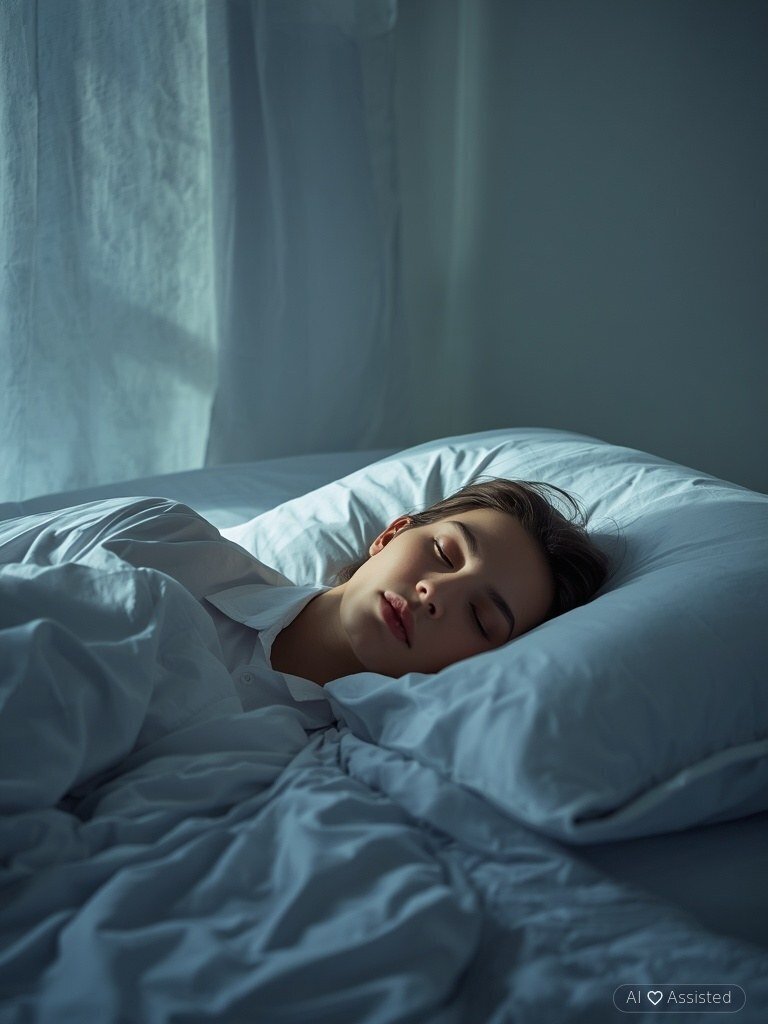
Calm the Nervous System and Nighttime Rest
1 photo
521

Smart Voice

AI
0:00
0:00
Listen to the article content live
Table of Contents 12
PRO Content PRO

This article is professional premium content (PRO) provided in its entirety.

At present, many individuals exist in a state of perpetual haste, and a deluge of professional and personal obligations generates uncomfortable tension. Chronic stress issues, sleep difficulties, and even insomnia may arise. Is there any method to address this and assist oneself naturally?
01 / 12

Is this truly stress? The mechanisms and health implications of sustained nervous tension in humans

To begin, it is essential to provide a precise definition of what the phenomenon commonly referred to as stress truly entails. The term was first scientifically articulated by the Canadian endocrinologist Hans Hugo Selye in the mid-20th century. Broadly speaking, stress represents a dynamic adaptive process wherein diverse physical and psychological stimuli disrupt the body’s internal equilibrium—known as homeostasis—thereby triggering a cascade of physiological and psychological responses aimed at restoring stability. When stress is transient, it serves a protective function by activating defense mechanisms such as the "fight-or-flight" response, enabling the organism to effectively cope with sudden challenges. However, the situation becomes concerning when stress transitions into a chronic state. This occurs when an individual experiences a rapid accumulation of stress-inducing events (stressors), which frequently overlap in time and prolong exposure. Accompanying symptoms may include heightened anxiety, persistent muscle tension, sleep disturbances, and a general decline in well-being. Chronic stress poses a significant health risk: initially, it may manifest as persistent physical and mental fatigue, but over time, it substantially elevates the likelihood of developing serious conditions, including cardiovascular diseases, metabolic disorders, and depression. Consequently, it is imperative to implement strategies that mitigate exposure to stressors and incorporate relaxation techniques to restore both psychological and physical balance.
02 / 12

The Fundamental Role of Sleep in Maintaining Optimal Health and Cognitive Function

Sleep constitutes an indispensable biological imperative, occupying over thirty percent of the human lifespan on average. Despite its paramount importance, contemporary lifestyle demands frequently result in the neglect of sleep hygiene principles or the deliberate curtailment of restorative rest. Prolonged sleep deprivation—comparable in its deleterious effects to chronic stress—disrupts systemic homeostasis, precipitating a cascade of physiological and psychological detriments. Initial manifestations of insufficient sleep typically include emotional volatility (with a pronounced tendency toward dysphoria), persistent fatigue, and, in severe instances, clinical depression. Affected individuals also experience cognitive impairments: diminished attentional capacity, compromised executive functioning in daily task planning, and even perceptual distortions such as impaired depth and distance judgment. Motor coordination may likewise deteriorate, occasionally culminating in visual hallucinations. From a physiological standpoint, sleep deficiency undermines physical endurance, protracting recovery periods following exertion. Over time, metabolic dysregulation—particularly within glucose homeostasis—emerges as a critical consequence, substantially elevating susceptibility to insulin resistance, type 2 diabetes mellitus, and other chronic metabolic disorders. These findings underscore that sleep is not a dispensable indulgence but a non-negotiable biological requirement. The pressing question then arises: what strategies can be employed when, despite concerted efforts, sleep remains elusive or its quality is profoundly compromised?
03 / 12

Botanical support for nervous system balance and restorative nocturnal sleep

When sleep disturbances become persistent, the initial step should involve implementing proper sleep hygiene practices—such as ensuring adequate ventilation of the sleeping environment and avoiding exposure to artificial lighting for at least sixty minutes prior to intended sleep onset. Should these foundational adjustments prove insufficient, exploring natural interventions may be warranted. Within the realm of botanical medicine, numerous plant species exhibit properties that may alleviate nervous tension and enhance both the duration and quality of sleep. Herbal preparations tend to exert a gentler physiological effect compared to synthetic pharmaceuticals. While their therapeutic benefits often require a more prolonged and consistent administration period to manifest fully, adherence to recommended dosages significantly minimizes the likelihood of adverse reactions. The following discussion outlines several herbs with well-documented calming properties, each possessing a complex biochemical profile rich in bioactive compounds—including but not limited to flavonoids, carboxylic acids, volatile aromatic compounds, and tannins.
04 / 12

*Valeriana officinalis* L. (common valerian): pharmacological properties, therapeutic applications, and contraindications

Within the scope of herbal medicine, the **rhizomes and roots of *Valeriana officinalis* L.** (common valerian) serve as the primary botanical materials of therapeutic interest. This plant demonstrates **clinically documented anxiolytic properties**, facilitating the alleviation of nervous tension and promoting the onset of sleep. Furthermore, **standardized extracts** derived from valerian exhibit **potential antidepressant activity**, positioning it as a subject of research for adjunctive mood disorder therapies. However, **contraindications** explicitly include **pregnancy and lactation**, owing to insufficient safety data in these populations. Prolonged use (beyond **four consecutive weeks**) may also induce **adverse effects**, such as **gastrointestinal discomfort** (e.g., abdominal pain, nausea) or—though rarely—**paradoxical sleep disturbances**. Consequently, **short-term, supervised administration** is strongly advised.
05 / 12

Lemon balm – *Melissa officinalis* L. (a medicinal herb with broad therapeutic applications)

The medicinal raw material derived from lemon balm (*Melissa officinalis* L.) primarily consists of the leaves and tender shoot tips with attached leaflets. This herb has been employed in traditional medicine for centuries, particularly for mitigating symptoms associated with cardiac arrhythmias—such as mild palpitations or irregular heartbeats. Beyond its cardiovascular applications, lemon balm exerts a beneficial effect on gastrointestinal function, aiding digestion and alleviating discomforts like bloating, postprandial fullness, and dyspepsia. Notably, the plant demonstrates significant anxiolytic properties, rendering it a valuable adjunct in managing heightened nervous tension, generalized anxiety, and irritability. Its mild sedative effects contribute to improved sleep architecture, making it a recommended remedy for individuals struggling with insomnia or non-restorative sleep patterns. Of particular interest, clinical observations indicate that lemon balm extracts may attenuate symptoms of premenstrual syndrome (PMS), including mood swings, emotional lability, tearfulness, and heightened irritability. Additionally, when combined with other botanicals in phytotherapeutic formulations, lemon balm has shown promise in supportive therapy for children diagnosed with attention-deficit/hyperactivity disorder (ADHD), where it helps prolong attention span and reduce impulsive behaviors.
06 / 12

Common hop (*Humulus lupulus* L.) – botanical profile and therapeutic applications

For therapeutic purposes, the primary focus lies on the female hop cones, from which golden-yellow lupulin glands—rich in bioactive compounds—are extracted. This plant has long been recognized for its sedative properties, which aid in alleviating anxiety and reducing excessive nervous system stimulation. Both empirical evidence and traditional use suggest that hop-based extracts may provide relief for sleep disorders, heightened psychological irritability, and symptoms associated with adolescence, such as emotional lability or increased libido. Additionally, hop preparations are frequently recommended as adjunctive support for mild depressive episodes and to mitigate bothersome menopausal symptoms, including hot flashes and mood fluctuations.
07 / 12

*Lavandula angustifolia* Mill. (formerly *L. officinalis* Chaix): botanical profile and evidence-based therapeutic applications

The dried inflorescences of *Lavandula angustifolia* serve as the primary medicinal raw material, representing a well-documented herbal remedy with demonstrated anxiolytic properties. Clinical evidence and traditional use substantiate its efficacy in alleviating symptoms of heightened nervous system excitation, including mild to moderate anxiety disorders and sleep disturbances—encompassing both difficulty falling asleep and frequent nocturnal awakenings. Notably, lavender extracts also exhibit adjunctive potential in depressive disorder management: bioactive compounds such as linalool and linalyl acetate appear to modulate serotonergic and GABAergic neurotransmission, thereby contributing to mood stabilization. When used alongside conventional antidepressants (e.g., selective serotonin reuptake inhibitors), lavender may enhance therapeutic outcomes and, in some cases, permit dose reduction of pharmacological agents. Furthermore, aromatherapy utilizing lavender essential oil—even through passive inhalation—has been shown in randomized controlled trials to lower cortisol levels and attenuate subjective anxiety perceptions among patients with generalized anxiety disorder.
08 / 12

It consists predominantly of hydrocarbons having carbon numbers in the range of C3 through C4

Alcoholic extracts of peanut grass show evidence of positive effects in people with moderate to severe depressive disorders. As in the case of melissa, peanut may reduce symptoms associated with PMS, such as mood swings, sleep problems, increased nervous tension or irritation.
09 / 12

Kava-kava (*Piper methysticum* root extract): a botanical raw material examined for its sleep-promoting properties in cases of physical and mental exhaustion, alongside documented cutaneous and ophthalmic side effects

The therapeutic raw material derived from Piper methysticum, commonly referred to as kava-kava, consists primarily of the plant’s rhizome. Extensive clinical and observational research confirms that this extract may play a substantial role in facilitating the onset of sleep, particularly in individuals whose insomnia stems from chronic fatigue of both physical and psychological origin. Unlike many other botanicals with sedative properties, kava-kava does not induce conventional tranquilizing effects; instead, it demonstrates the capacity to enhance cognitive functions—including attentional focus—and promote emotional equilibrium, which may indirectly improve sleep quality by mitigating nervous tension.

However, prolonged or excessive use of kava-kava preparations has been associated with several adverse reactions. Among the most frequently reported are reversible yellowish discoloration of the skin (termed kava dermopathy), pigmentary alterations in hair and nails, and—less commonly—allergic skin manifestations or transient visual acuity impairments. The precise pathophysiological mechanisms underlying these side effects remain incompletely understood, emphasizing the importance of cautious dosing and professional medical consultation prior to initiating supplementation.

10 / 12

Small-leaved lime (*Tilia cordata*) and large-leaved lime (*Tilia platyphyllos*) – botanical profile and herbal applications

The primary medicinal use of lime trees involves their flower clusters, which constitute a highly regarded herbal raw material. While widely recognized for their diaphoretic properties—beneficial in managing febrile conditions—the plant also demonstrates notable sedative and mild antispasmodic effects. However, caution is advised, as lime-based preparations may exert adverse effects on the cardiovascular system. Their use is discouraged in individuals with arrhythmias or circulatory insufficiency due to the potential for increased heart rate and elevated blood pressure.
11 / 12

Motherwort (*Leonurus cardiaca* L.) – a botanical remedy with multifaceted therapeutic potential in neurocardiac and vascular disorders

Scientific evidence demonstrates that *Leonurus cardiaca* L. (commonly known as motherwort) exhibits pronounced antidepressant properties, positioning it as a valuable adjunct in the management of mild to moderate mood disorders. Furthermore, its bioactive constituents—including leonurine, flavonoids, and iridoids—contribute to the regulation of arterial blood pressure, alleviation of cardiac neurosis symptoms (such as palpitations and precordial discomfort), and mitigation of chronic nervous tension alongside episodic anxiety. The mechanism of action involves modulation of the GABAergic system and serotonin receptor activity, which underpins its comprehensive effects on both the central and autonomic nervous systems.
12 / 12

Does diet genuinely impact stress reduction and sleep quality? An examination of the links between nutrition and mental well-being

While the term "diet" continues to be predominantly associated with weight loss in the minds of many, its true significance extends far beyond mere caloric restriction. Fundamentally, it represents a cornerstone that influences not only body weight but—far more critically—overall health, physical performance, and psychological equilibrium. Consequently, when confronted with persistent stress or sleep disturbances, a thorough evaluation of current dietary patterns becomes imperative. The initial step should involve assessing the regularity of meal consumption, aligning meal frequency with individual daily rhythms, and adhering strictly to established eating schedules. Such practices substantially diminish the likelihood of sudden hunger pangs following prolonged periods without food while simultaneously curtailing the tendency to snack uncontrollably between meals. Of particular importance is the avoidance of "stress eating"—a behavior wherein emotional tension triggers the consumption of high-calorie yet nutritionally deficient foods. Low-quality food products should either be eliminated entirely or consumed only sporadically, as their frequent intake may exacerbate fatigue, mood instability, and difficulties with concentration. An often overlooked yet critical component is adequate hydration. While optimal fluid intake varies based on multiple factors, general guidelines advocate for a minimum of 1.5–2 liters of plain water daily. It is equally essential to moderate coffee consumption (excessive amounts can contribute to sleep disorders) and to avoid energy drinks and sugary beverages. Individuals grappling with chronic stress should prioritize foods rich in choline, antioxidant vitamins (A, C, E), vitamin D, magnesium, calcium, and selenium. A balanced diet founded on minimally processed ingredients provides the body with vital compounds that can significantly enhance both well-being and sleep quality. When utilizing herbal supplements, strict adherence to recommended dosages is crucial, along with an awareness of potential interactions—particularly with synthetic medications. The systematic improvement of dietary habits directly translates into reduced nervous tension, enhanced nocturnal recovery, and an overall improvement in quality of life—making this an area well worth careful attention.
Meal Plan

Want to apply these guidelines in your daily diet?

Our smart diet generator creates a tailored meal plan in 3 minutes based on the recommendations in this article.

Nowak G., Surowce roślinne o działaniu przeciwlękowymi i antydepresyjnym, „Herba Polonica” 2009, 55(1), 84–97.
Dobros N., Zioła o działaniu uspokajającym i przeciwdepresyjnym, „Postępy Fitoterapii” 2017, 18(3), 215–222.
Łodzińska J., Stres zawodowy narastającym zjawiskiem społecznym, „Seminare” 2010, 28, 125–138.
Grygorczuk A., Pojęcie stresu w medycynie i psychologii, „Psychiatria” 2008, 5(3), 111–115.
Frank M., Dieta antystresowa. Rekomendacje żywieniowe, które obniżają stres, „Food Forum” 2015, 3(9), 89–92.
Scientifically reviewed by a clinical dietitian • 25.09.2026

Nowak G., Surowce roślinne o działaniu przeciwlękowymi i antydepresyjnym, „Herba Polonica” 2009, 55(1), 84–97. Dobros N., Zioła o działaniu uspokajającym i przeciwdepresyjnym, „Postępy Fitoterapii” 2017, 18(3), 215–222. Łodzińska J., Stres zawodowy narastającym zjawiskiem społecznym, „Seminare” 2010, 28, 125–138. Grygorczuk A., Pojęcie stresu w medycynie i psychologii, „Psychiatria” 2008, 5(3), 111–115. Frank M., Dieta antystresowa. Rekomendacje żywieniowe, które obniżają stres, „Food Forum” 2015, 3(9), 89–92.

Diets Premium Expert

Diets Premium team expert. Specializes in nutrition plans, strength sports, and training plans.

USDA FoodData Central EFSA PubMed Clinical Guidelines
Loading
Recommended articles in this category

Related Articles

Discover similar publications and expert insights.

Healthy Sleep Hygiene and Equitable Rest – How to Care for Them?
Sleep Hygiene
Healthy Sleep Hygiene and Equitable Rest – How to Care for Them?
⏱ 7 min czytania
#Sleep Hygiene #Recovery
Why Proper Nightly Rest Matters
Behavioral Health
Why Proper Nightly Rest Matters
⏱ 5 min czytania 📚 Behavioral Health
#Light #Recovery
Restore Calm and Relax!
Resting
Restore Calm and Relax!
⏱ 3 min czytania
#Resting #Rest
Relaxation techniques that aid in achieving a state of calm and balance
Mental Health
Relaxation techniques that aid in achieving a state of calm and balance
⏱ 5 min czytania
#Mental Health #Balance
Strategies for insomnia and... healthy sleep
Insomnia
Strategies for insomnia and... healthy sleep
⏱ 4 min czytania
#Insomnia #Healthy
DELOAD – strategic recovery periods
Recovery
DELOAD – strategic recovery periods
⏱ 3 min czytania
#Recovery #Rest
The Process of Cooling Down - An Indispensable Component of Training
Resting
The Process of Cooling Down - An Indispensable Component of Training
⏱ 4 min czytania
#Resting
Nourishment for Parkinson's disease – diet with protein segmentation and reallocation
Nutrition
Nourishment for Parkinson's disease – diet with protein segmentation and reallocation
⏱ 2 min czytania 📚 Nutrition
#Parkinsons Disease #Nutrition
Pediatric Sleep Disorders and Insomnia: Sleep Architecture, Metabolic Drivers, and Circadian Hygiene
Insomnia
Pediatric Sleep Disorders and Insomnia: Sleep Architecture, Metabolic Drivers, and Circadian Hygiene
⏱ 4 min czytania
#Insomnia #Coordination
Adiponectin and Ghrelin: Key Endocrine Regulators of Satiety, Insulin Sensitivity, and Lipid Metabolism
Nutritional Science
Adiponectin and Ghrelin: Key Endocrine Regulators of Satiety, Insulin Sensitivity, and Lipid Metabolism
⏱ 3 min czytania 📚 Nutritional Science
#Hormones And Weight Regulation #Resting Activity
Peptic ulcer disease - symptoms, effective treatment and suitable diet!
Inflammation
Peptic ulcer disease - symptoms, effective treatment and suitable diet!
⏱ 3 min czytania
#Inflammation #Nutrition
Melatonin - the Guardian of Sleep
Melatonin
Melatonin - the Guardian of Sleep
⏱ 4 min czytania
#Melatonin #Mental
Is It About Hatha, Ashtanga, Kundalini, or Kriya? What Benefits Does Practicing Yoga Offer?
Endurance
Is It About Hatha, Ashtanga, Kundalini, or Kriya? What Benefits Does Practicing Yoga Offer?
⏱ 7 min czytania
#Endurance #Yoga
Hypoxia during sleep - what it is and how to deal with it
Health Consequences
Hypoxia during sleep - what it is and how to deal with it
⏱ 6 min czytania
#Health Consequences #Insomnia
Does meal selection matter in treating insomnia?
Health
Does meal selection matter in treating insomnia?
⏱ 7 min czytania 📚 Health
#Sleep Hygiene #Insomnia
How Precisely Does Physical Activity Influence the Course of COVID-19?
Physical Activity
How Precisely Does Physical Activity Influence the Course of COVID-19?
⏱ 4 min czytania
#Physical Activity #Insomnia
Fermented Beets – Properties, Fermented Beet Juice, Recipes… What to Do with Fermented Beets?
Vitamins And Minerals
Fermented Beets – Properties, Fermented Beet Juice, Recipes… What to Do with Fermented Beets?
⏱ 4 min czytania
#Vitamins And Minerals #Insomnia
What is melatonin and how does it function?
High-Calorie Dishes
What is melatonin and how does it function?
⏱ 11 min czytania
#High-calorie Dishes #Insomnia
Insomnia – Etiology, Neurobiology of Sleep, Circadian Hygiene, and Phytotherapy in Sleep Disorders
Herbal Infusions
Insomnia – Etiology, Neurobiology of Sleep, Circadian Hygiene, and Phytotherapy in Sleep Disorders
⏱ 4 min czytania
#Herbal Infusions #Insomnia
Common Wormwood (*Artemisia absinthium*) – therapeutic properties, medicinal applications, and its role in combating intestinal and systemic parasitic infections
Standing
Common Wormwood (*Artemisia absinthium*) – therapeutic properties, medicinal applications, and its role in combating intestinal and systemic parasitic infections
⏱ 4 min czytania
#Standing #Insomnia
How to Achieve Success in Running?
Performance
How to Achieve Success in Running?
⏱ 2 min czytania
#Performance #Recreation
Boxing Training – For Whom, Merits, Safety, How to Start
Martial Arts
Boxing Training – For Whom, Merits, Safety, How to Start
⏱ 6 min czytania
#Martial Arts #Fat Burning
Hashimoto's Disease and Strength Training
Strength Training
Hashimoto's Disease and Strength Training
⏱ 4 min czytania
#Strength Training #Hashimoto's Disease
What should one consume before running?
Recreation
What should one consume before running?
⏱ 5 min czytania
#Recreation #Equipment
How to Return to Normalcy After the Festive Season
Physical Activity
How to Return to Normalcy After the Festive Season
⏱ 3 min czytania
#Physical Activity #Rest
New Year, New Beginning!
Rest
New Year, New Beginning!
⏱ 4 min czytania
#Rest
Vitamin B8 (Inositol) – Functions and Effects of Deficiency
Rest
Vitamin B8 (Inositol) – Functions and Effects of Deficiency
⏱ 4 min czytania
#Rest #Anxiety
Guide to Functional Food Products
Health
Guide to Functional Food Products
⏱ 8 min czytania 📚 Health
#Balanced Diet #Balance
How Can We Rationally Approach the Matter of Weight Loss?
Weight Loss
How Can We Rationally Approach the Matter of Weight Loss?
⏱ 6 min czytania 📚 Weight Loss
#Weight Loss #Physical Activity
How to Preserve Your Fitness During Vacation - A Guide
Physical Activity
How to Preserve Your Fitness During Vacation - A Guide
⏱ 4 min czytania
#Physical Activity #Balanced Diet

Share