Is butter a nutritional treasure or a hidden threat to cardiovascular health?
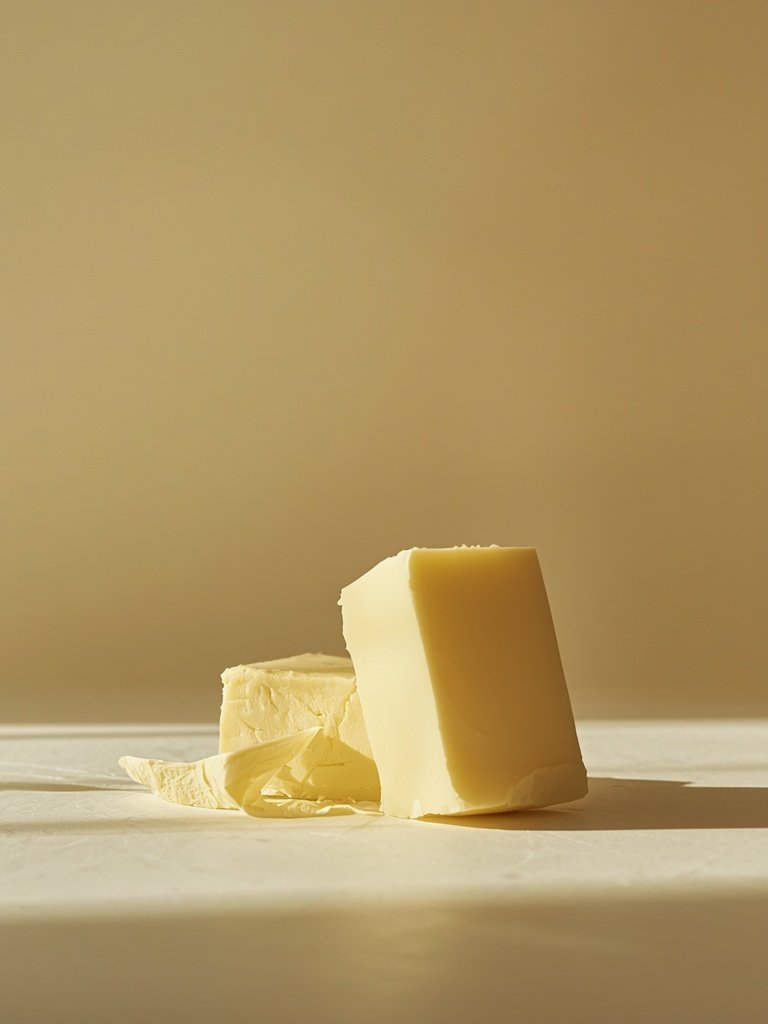
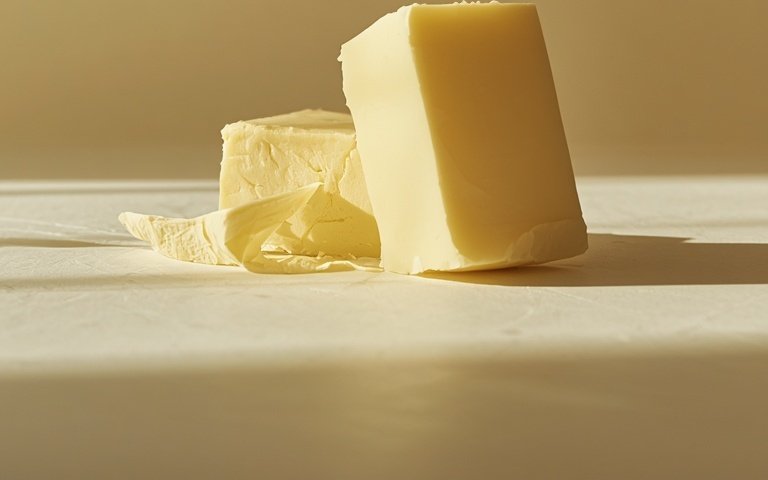
Table of Contents 3
Medical & Editorial Disclaimer (§3 Terms): This article is for informational and educational purposes only, does not constitute medical advice, diagnosis, or treatment, and is used at your own risk. Consult a qualified physician for medical conditions.
Physiologically, butter contains a unique profile of short-chain and medium-chain fatty acids that behave differently within the body compared to other saturated fats. These specific molecules are absorbed directly from the digestive tract and sent to the liver for immediate use, which means they are less likely to be stored as adipose tissue. Furthermore, some clinical observations suggest that certain components of milk fat may actually play a supportive role in maintaining healthy glucose metabolism, potentially offering a protective effect that contradicts older, more rigid dietary assumptions.
In terms of daily wellness, the most effective strategy is to integrate a variety of fat sources rather than relying on a single type. While high-quality vegetable oils like olive or flaxseed oil remain essential for their proven ability to support vascular integrity, butter can be enjoyed as part of a balanced intake. By focusing on the quality of ingredients and prioritizing a diverse range of fatty acids, individuals can support their metabolic health and cardiovascular well-being through informed, holistic nutritional choices.
Is it butter at all or is it really as scary as they paint it?
A few words about good milk fatty acids
Butter or margarine?
Want to apply these guidelines in your daily diet?
Our smart diet generator creates a tailored meal plan in 3 minutes based on the recommendations in this article.
Tags

mgr David Janitzek
• 24.09.2026Diets Premium Expert
Diets Premium team expert. Specializes in nutrition plans, strength sports, and training plans.