Plant-based alternatives to antibiotics: natural substances with strong antimicrobial activity and their therapeutic potential


Table of Contents 3
Medical & Editorial Disclaimer (§3 Terms): This article is for informational and educational purposes only, does not constitute medical advice, diagnosis, or treatment, and is used at your own risk. Consult a qualified physician for medical conditions.
The physiological insights covered highlight the diverse ways plants neutralize threats, from the enzymatic disruption caused by garlic derivatives to the membrane permeabilization achieved by oregano essential oils. These natural agents are particularly effective at destabilizing protective microbial structures known as biofilms, which often shield pathogens from conventional interventions. Furthermore, compounds like berberine demonstrate a remarkable ability to target harmful invaders in the digestive tract while remaining gentle on beneficial bacteria, showcasing a selective efficacy that supports overall gut health.
Practical application involves integrating high-quality botanical sources into a wellness-focused lifestyle, ensuring that active components are properly released through methods like crushing or infusion. Utilizing volatile compounds from horseradish or concentrated herbal extracts can provide targeted support for the respiratory and enteric systems when used mindfully. Adopting these natural antimicrobial strategies encourages a proactive approach to daily nutrition, contributing to long-term resilience and a well-supported microbial environment without relying solely on synthetic solutions.
Amid escalating global antimicrobial resistance (AMR), plant-derived phytoncides and secondary metabolites represent an indispensable reservoir of complementary antimicrobial therapeutics. This clinical review evaluates the pharmacology, molecular targets, and indications of leading natural agents: allicin from garlic, carvacrol from oregano, and the isoquinoline alkaloid berberine.
Allicin from Garlic (*Allium sativum*): Mechanisms of Antibacterial and Antiviral Action
Allicin (diallyl thiosulfinate) is generated when the storage molecule alliin hydrolyzes via alliinase upon mechanical crushing of fresh garlic cloves:
- Molecular target: Allicin covalently cross-links with sulfhydryl (-SH) moieties on vital microbial enzymes, disrupting bacterial fatty acid synthesis and respiratory chain enzymes.
- Mitigated resistance: Multi-target enzymatic disruption severely limits the development of microbial resistance mechanisms compared to single-target synthetic antibiotics.
- The 10-minute resting rule: Crushed garlic must rest for 10 minutes prior to heat application or ingestion to allow complete enzymatic synthesis of bioactive allicin.
Oregano Essential Oil (*Origanum vulgare*) and Carvacrol: Biofilm Disruption
Wild oregano essential oil concentrates volatile monoterpenoid phenols, primarily carvacrol (60–85%) alongside thymol:
- Membrane permeabilization: Carvacrol intercalates into microbial lipid bilayers, disrupting proton-motive force and causing rapid intracellular leakage of potassium and ATP.
- Biofilm eradication: Oregano oil actively penetrates and destabilizes extracellular polymeric substances in mature biofilms of Staphylococcus aureus, Pseudomonas, and Candida albicans.
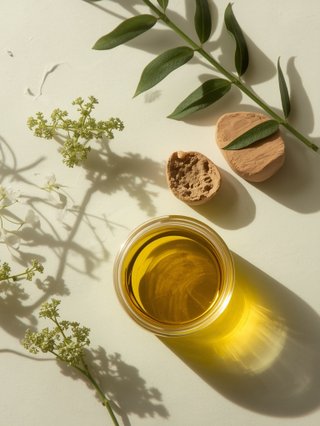
- Safety caution: Owing to mucous membrane pungency, oregano oil must invariably be diluted in a lipid carrier (e.g., extra virgin olive oil) prior to oral or topical administration.
Berberine and Plant Phytoncides in Enteric and Respiratory Pathologies
Isoquinoline alkaloids such as berberine (Berberis aristata) and pungent glucosinolates from horseradish complete the phytotherapeutic armamentarium:
- Gastrointestinal targeting of berberine: Poor systemic bioavailability allows berberine to exert concentrated luminal antibacterial effects against enteric pathogens (Salmonella, Shigella, E. coli) while preserving commensal anaerobes.
- Horseradish volatile isothiocyanates: Glucosinolates in Armoracia rusticana generate allyl isothiocyanate, volatilizing through respiratory tract secretions to eradicate upper airway pathogens.
- Clinical integrative boundaries: Botanical antimicrobials excel in uncomplicated mucosal infections and recurrence prevention, but must never delay clinical antibiotic administration in systemic or severe invasive sepsis.
Want to apply these guidelines in your daily diet?
Our smart diet generator creates a tailored meal plan in 3 minutes based on the recommendations in this article.

Anna Schmidt
• 23.10.2026Diets Premium Expert
Diets Premium team expert. Specializes in nutrition plans, strength sports, and training plans.