Boost Fat Oxidation and Muscle Growth with Fenugreek

Smart Voice
AITable of Contents 4
Fenugreek (Trigonella foenum-graecum), a medicinal legume highly valued in phytotherapy, exhibits well-documented properties that support adipose tissue reduction, hormonal optimization, and lean muscle mass synthesis. Discover how its bioactive steroidal saponins and 4-hydroxyisoleucine modulate insulin sensitivity, metabolic rate, and athletic performance during strenuous physical training.
Fenugreek: A Natural Ally for Sculpting Your Physique and Boosting Metabolic Efficiency
There is little doubt that many have experienced moments of profound discouragement when, despite a month of grueling workouts, the scale barely budged and stubborn fat deposits refused to diminish. While a well-structured reduction diet tailored to individual metabolic needs remains the cornerstone of effective weight management, it is entirely possible to amplify these efforts by incorporating specific botanical agents known to accelerate adipose tissue loss. Among the most potent natural allies in this endeavor is fenugreek—commonly referred to as Greek clover—a plant celebrated for its exceptional nutritional profile. This unassuming herb serves as a rich reservoir of essential trace elements, including iron (critical for oxygen transport within the bloodstream), selenium (a powerful antioxidant supporter), and silicon (which fortifies connective tissue integrity). Of particular significance to men, fenugreek demonstrates a remarkable capacity to naturally elevate testosterone levels—a hormone pivotal to anabolic processes and the efficient metabolism of fatty tissue. Beyond its endocrine benefits, this adaptogenic plant has long been revered as a natural aphrodisiac, enhancing both psychological well-being and physical performance during resistance training. The resultant elevation in testosterone not only optimizes fat oxidation but also facilitates accelerated muscle protein synthesis. For male athletes, fenugreek thus represents an invaluable dietary adjunct, whereas women may explore alternative metabolic enhancers such as capsaicin-rich chili peppers (which induce thermogenesis) or ginger root (renowned for its digestive and circulatory stimulant properties). The consistent integration of these botanical agents into one’s daily nutritional regimen can substantially expedite the visible outcomes of both exercise and dietary discipline, yielding tangible results in a significantly abbreviated timeframe.
Steroidal Saponins and Hormonal Optimization: Testosterone Support and Muscular Recovery
One of the primary reasons fenugreek has garnered widespread acclaim among strength and physique athletes is its rich concentration of bioactive furostanolic saponins, notably protodioscin. Clinical investigations involving resistance-trained males indicate that standardized fenugreek seed extract significantly elevates circulating free, biologically active testosterone concentrations. This physiological mechanism is mediated in part by modest enzymatic inhibition of aromatase and 5-alpha-reductase, thereby mitigating the excessive conversion of androgens into estrogens and dihydrotestosterone. Elevated bioavailable testosterone promotes myofibrillar protein synthesis, driving muscular hypertrophy and expediting recovery from exercise-induced microtrauma. Furthermore, habitual fenugreek supplementation fosters superior nocturnal restorative sleep, enhances bone mineral density, and increases overall neuromuscular power output during intensive training sessions.
The Impact of 4-Hydroxyisoleucine on Carbohydrate Metabolism and Insulin Sensitivity
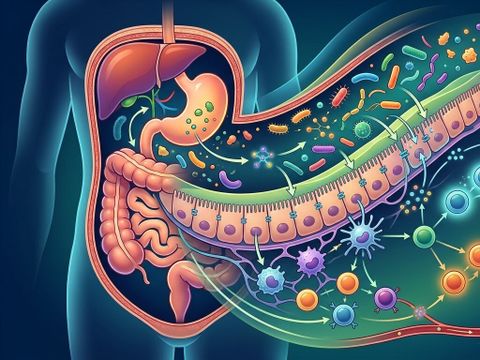
The second pillar of fenugreek’s metabolic prowess lies in its unique non-proteinogenic amino acid: 4-hydroxyisoleucine. This compound directly stimulates pancreatic beta-cells, augmenting insulin secretion in a strictly glucose-dependent manner, thereby precluding hypoglycemic episodes when combined with balanced nutrition. Under the influence of 4-hydroxyisoleucine, GLUT4 transporter translocation to skeletal muscle cell membranes is substantially enhanced, facilitating preferential glucose uptake into active muscle tissue rather than adipocyte lipid storage. In addition, fenugreek seeds are dense in galactomannan—a viscous soluble dietary fiber that decelerates gastric emptying, blunts postprandial glucose surges, and prolongs satiety. This multifaceted mode of action makes fenugreek an invaluable therapeutic tool for managing insulin resistance and optimizing body composition during calorie-restricted phases.
Dosage, Supplementation Forms, and Safety Guidelines for Fenugreek in Athletes
To maximize the ergogenic advantages of fenugreek, selecting the appropriate preparation form and adhering to evidence-based dosing schedules is essential. For athletic enhancement and testosterone modulation, standardized seed extracts (typically 500–1000 mg daily, standardized to at least 50% furostanolic saponins) taken alongside carbohydrate-containing meals are recommended. In culinary settings, whole or freshly ground seeds (5–10 g daily) may be incorporated, with light toasting advised to diminish their natural bitterness. Consumers should be mindful that fenugreek can impart a characteristic sweet, maple syrup-like aroma to sweat and urine due to the metabolite sotolon. Individuals on hypoglycemic or anticoagulant pharmacotherapy should seek medical supervision prior to supplementation, and pregnant women must avoid concentrated doses due to potential uterine-stimulating effects.
Want to apply these guidelines in your daily diet?
Our smart diet generator creates a tailored meal plan in 3 minutes based on the recommendations in this article.
Tags

Anna Schmidt
Diets Premium Expert
Diets Premium team expert. Specializes in nutrition plans, strength sports, and training plans.