Bladderwrack (Fucus vesiculosus): Bioactive Matrix, Therapeutic Potential, and Clinical Supplementation Protocols
Smart Voice
AITable of Contents 5
Bladderwrack (Fucus vesiculosus) is an ancient marine brown macroalga indigenous to the rocky intertidal littoral zones of the North Atlantic, North Sea, and Baltic Sea. In ethnopharmacology and nutritional endocrinology, it represents one of nature's most concentrated reservoirs of bioavailable organic iodine, alginates, sulfated fucoidans, and the thermogenic carotenoid fucoxanthin. This clinical treatise evaluates its thyroid-modulating actions, gastrointestinal mucoprotective properties, and contraindications in autoimmune thyroid disorders.
Bladderwrack – Botanical Characteristics and Habitat
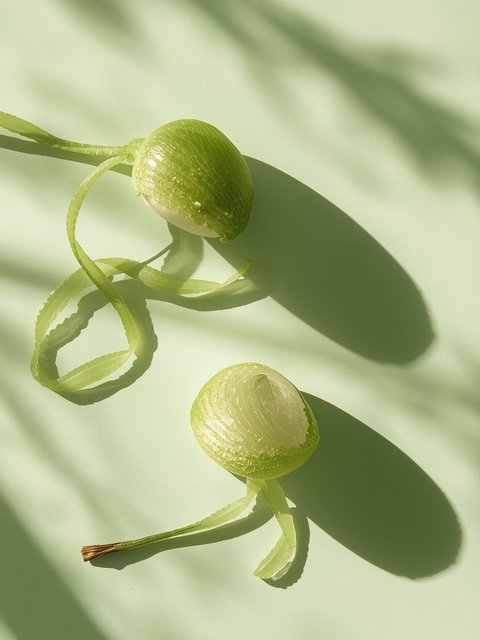
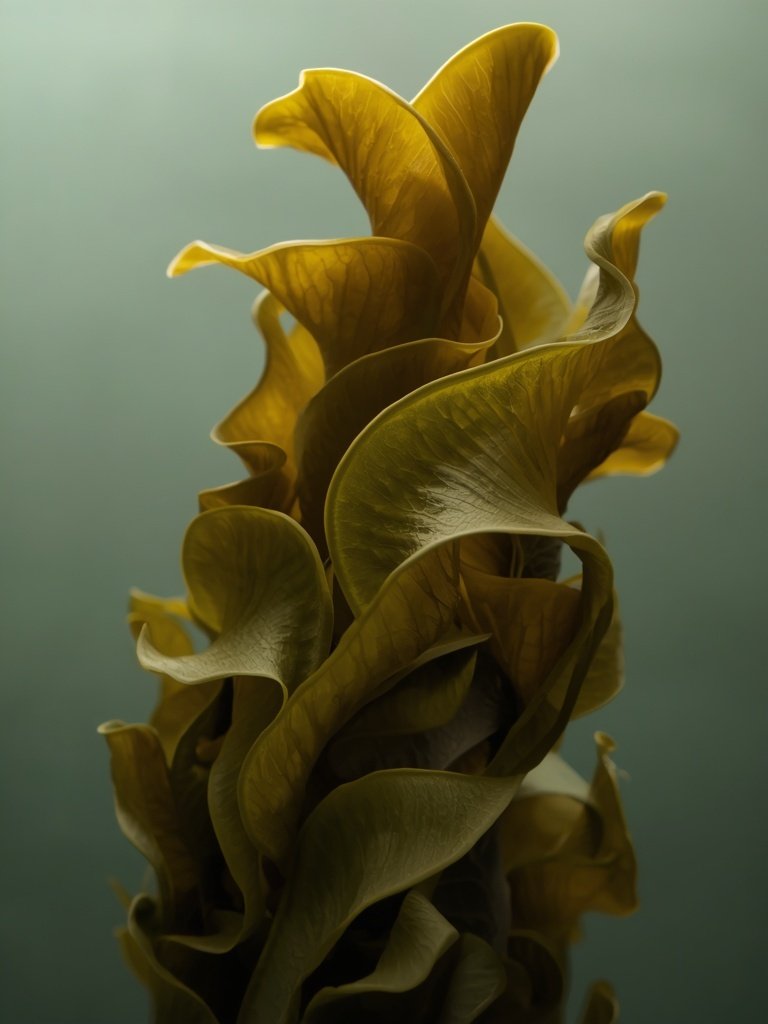
Bladderwrack is characterized by a tough, leathery, branched thallus reaching up to 100 cm in length, distinguished by paired sub-spherical gas-filled pneumatocysts (air bladders). These anatomical structures provide buoyancy, orienting the photosynthetic fronds toward the surface sunlight during tidal immersion.
Bladderwrack – Phytochemical and Bioactive Composition
Bladderwrack encompasses an exceptional array of marine bioactives:
- Organic iodine: Bound within iodotyrosine complexes, fueling the biosynthesis of thyroxine (T4) and triiodothyronine (T3).
- Alginates: Hydrophilic polysaccharides that form protective viscous gels across gastric mucosa, neutralizing acid reflux mechanically.
- Fucoidans: Sulfated fucose-rich macromolecules demonstrating anticoagulant, antiproliferative, and immune-modulating properties.
- Fucoxanthin: A characteristic marine carotenoid shown to upregulate mitochondrial uncoupling protein-1 (UCP-1) in adipose tissue.
Clinical Applications in Metabolism and Weight Management
In dietetics, bladderwrack extracts are primarily indicated to stimulate sluggish basal metabolic rate linked to subclinical iodine deficiency. Additionally, viscous alginates bind luminal cholesterol and environmental toxins in the gut, promoting excretion while delaying gastric emptying to induce lasting satiety.
Contraindications, Thyroid Risks, and Toxicological Safety
Therapeutic use mandates rigorous endocrinological precautions:
- Thyroid pathology: Strictly contraindicated in hyperthyroidism, toxic nodular goiter, and autoimmune thyroiditis (Hashimoto's disease). Excessive iodine can precipitate the acute Wolff-Chaikoff blockade or induce hyperthyroidism (Jod-Basedow phenomenon).
- Pregnancy and lactation: High iodine influx easily crosses the placenta and enters breast milk, posing neonatal thyroid dysfunction risks.
- Heavy metal contaminants: Macroalgae readily accumulate inorganic arsenic and cadmium; certified lab purity testing is indispensable.
Supplementation Guidelines and Standardization Standards
Commercial bladderwrack supplementation must invariably be standardized to precise elemental iodine levels. The recommended daily intake for adults is 150 mcg (with an EFSA tolerable upper intake limit of 600 mcg/day). Prolonged, unstandardized use of crude raw seaweed powder is strongly discouraged.
Want to apply these guidelines in your daily diet?
Our smart diet generator creates a tailored meal plan in 3 minutes based on the recommendations in this article.
Tags

mgr Emilia Szymańska
Diets Premium Expert
Diets Premium team expert. Specializes in nutrition plans, strength sports, and training plans.