Blackcurrant - health benefits... Leaves and oil from blackcurrant
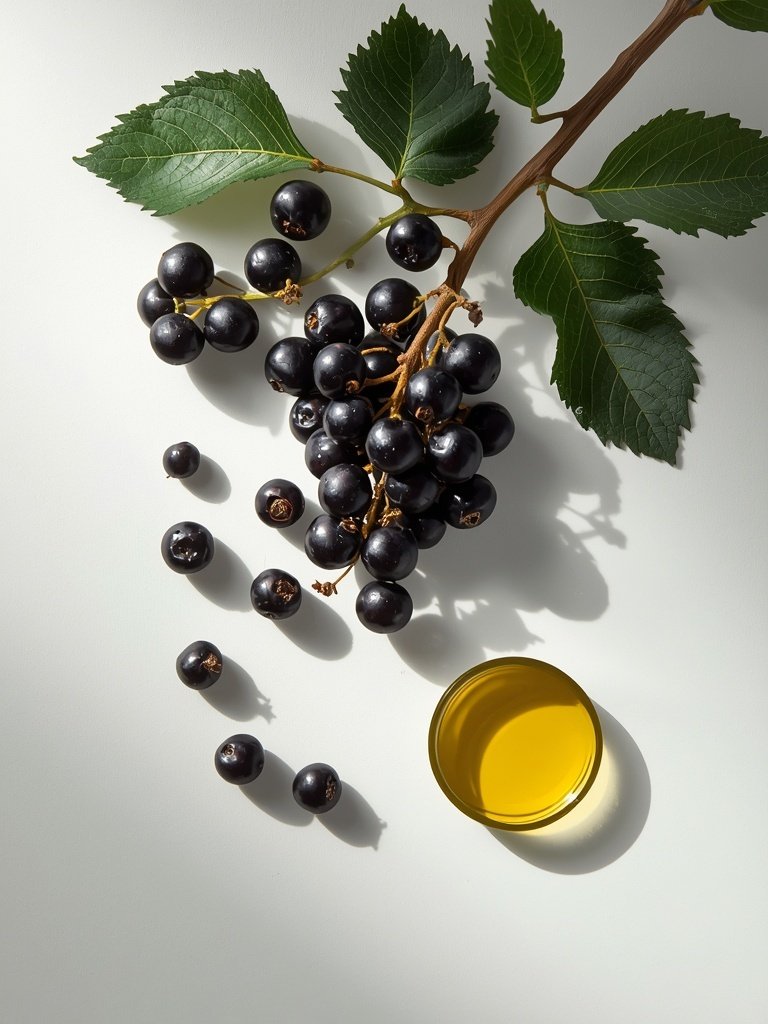
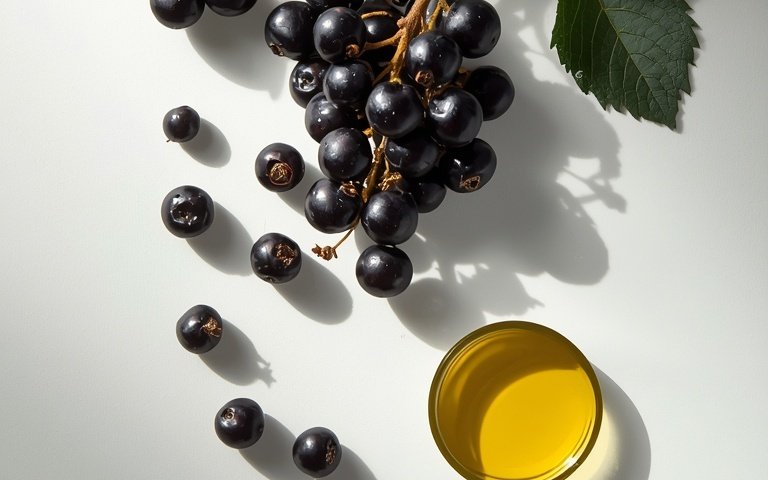
Table of Contents 4
Medical & Editorial Disclaimer (§3 Terms): This article is for informational and educational purposes only, does not constitute medical advice, diagnosis, or treatment, and is used at your own risk. Consult a qualified physician for medical conditions.
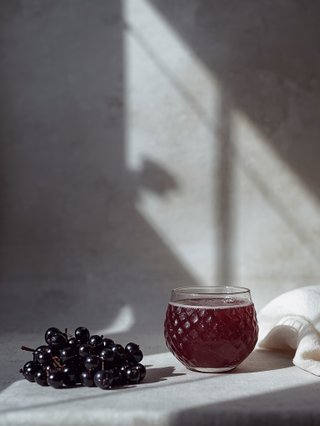
A closer look at the physiological mechanisms reveals that blackcurrant fruits exhibit strong antioxidant capacity driven by anthocyanins, which help neutralize free oxygen radicals and support cellular resilience against oxidative aging. Beyond the fruit, blackcurrant leaves contain essential oils such as alpha-pinene, geraniol, and limonene alongside moisturizing polysaccharides, ascorbic acid, B-group vitamins including panthenol, and vital minerals like phosphorus, potassium, and iron, with specific volatile compounds helping to inhibit protein-degrading enzymatic activity. Furthermore, blackcurrant seed oil provides substantial amounts of vitamin E and polyunsaturated fatty acids, specifically gamma-linolenic acid and alpha-linolenic acid, maintaining a favorable balance of essential omega fatty acids.
For practical daily nutrition, readers can enjoy fresh blackcurrants during their peak season to naturally boost dietary fiber and antioxidant intake. Additionally, utilizing blackcurrant leaf infusions and incorporating blackcurrant seed oil into unheated culinary preparations offer accessible ways to enrich daily meals with essential fatty acids, micronutrients, and protective phytonutrients.
Botanical Overview of Blackcurrant.
Medicinal and Nutritional Properties of Blackcurrant.
Therapeutic Uses of Blackcurrant Leaves.
Blackcurrant Seed Oil and Essential Fatty Acids.
Want to apply these guidelines in your daily diet?
Our smart diet generator creates a tailored meal plan in 3 minutes based on the recommendations in this article.
Tags

Lena Bauer
• 23.10.2026Diets Premium Expert
Diets Premium team expert. Specializes in nutrition plans, strength sports, and training plans.