Bioactive dark honey with antioxidant and antibacterial properties
1 photo
805
Smart Voice
AI
0:00
0:00
Listen to the article content live
Table of Contents 3
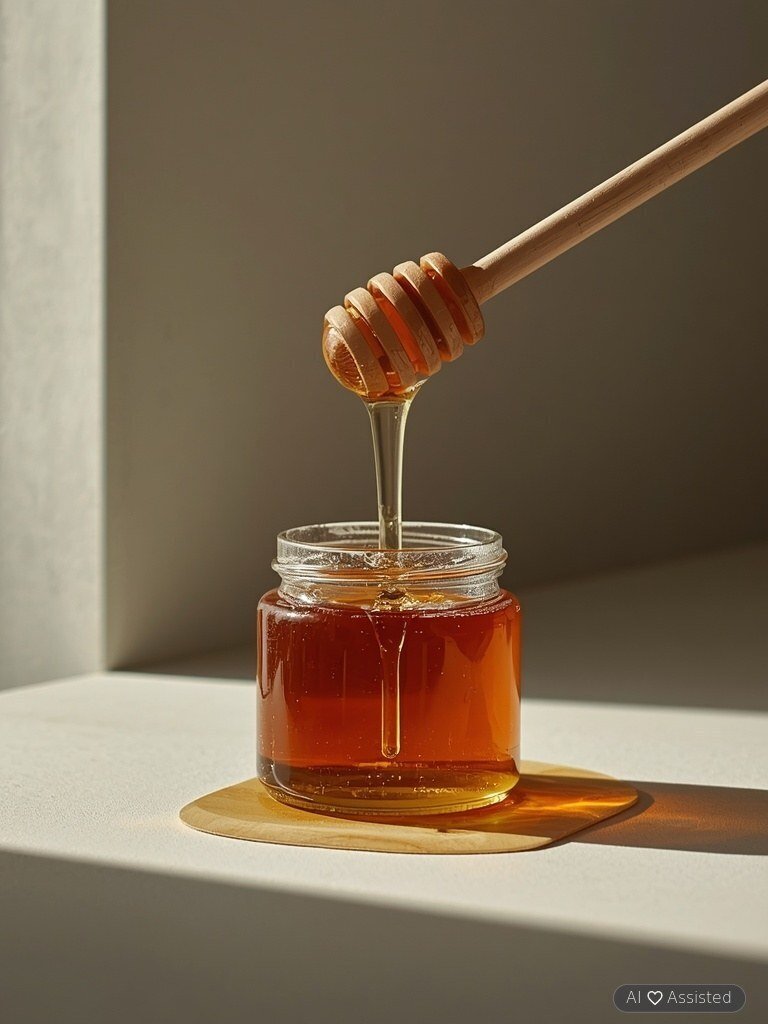
The more densely pigmented varieties of honey—particularly those derived from honeydew or forest-based nectar sources—exhibit an elevated concentration of polyphenolic compounds and other bioactive antioxidants that effectively scavenge reactive oxygen species, thereby mitigating cellular oxidative stress. This biochemical profile positions such honey as a valuable component in oncological prevention strategies and dermatological applications, where its capacity to attenuate collagen degradation and promote epidermal regeneration aligns with anti-aging cosmetic formulations. Beyond its antioxidant repertoire, this specialized honey matrix incorporates a suite of antimicrobial agents, including the peptide inhibitor known as inhibine, alongside a robust enzymatic consortium: amylases that hydrolyze complex polysaccharides into monomeric sugars, invertase facilitating the cleavage of sucrose into glucose and fructose, β-fructofuranosidase involved in fructose metabolism, and catalase, which decomposes hydrogen peroxide into water and molecular oxygen. These collective properties underpin the honey’s longstanding use in traditional medicine as a topical adjunct for wound management—accelerating the healing of surgical incisions, thermal burns, and chemical injuries. Notably, the enzymatic components are secreted by the labial glands of hymenopteran insects during nectar processing, thereby endowing the final product with its distinctive therapeutic bioactivity.
01 / 03
Nutritional properties of honey Vitamins and minerals
Dark honey contains more antioxidants, which are responsible for controlling free radicals in the body, which is why it can also be used to treat wounds and burns, preventing the aging process of the skin. In addition to antioxidants honey also contains substances with bacterial effects such as inhibits and enzymes, such as amylase, invertase, beta-fructofuranoside, catalysis, etc. For this reason, honey is also used for the treatment of wounds as well as burns.
02 / 03
Is it even calories? How many calories does honey have?
The calorie content of honey can vary slightly depending on the species, on average, 100 grams of honey provides 324 calories, and we'll also find 0.3 g of protein, 79.5 g of carbohydrates.
03 / 03
Use of honey
Honey can replace sugar in almost any form. It is perfect for baking, such as cakes and cookies. It adds a unique aroma and flavor to desserts. It also allows for sweetening sauces and dressing. It's added to marinated meat. However, the best honey is unheated. It has its limit temperature above which it begins to lose valuable substances. Depending on the type, it is between 40 and 45 degrees Celsius. According to many scientists, the healthiest in the world is the manuka honey, which comes from a shrub called the herbacian tree.
Meal Plan
Want to apply these guidelines in your daily diet?
Our smart diet generator creates a tailored meal plan in 3 minutes based on the recommendations in this article.
Tags

Scientifically reviewed by a clinical dietitian
• 24.09.2026
Oliwia Kaczmarek
Diets Premium Expert
Diets Premium team expert. Specializes in nutrition plans, strength sports, and training plans.
USDA FoodData Central
EFSA
PubMed Clinical Guidelines