Beer: Nutritional Properties, Effects on Weight Management, Diabetes, Renal Function, and Physical Exercise – A Comprehensive Examination
Smart Voice
AITable of Contents 6
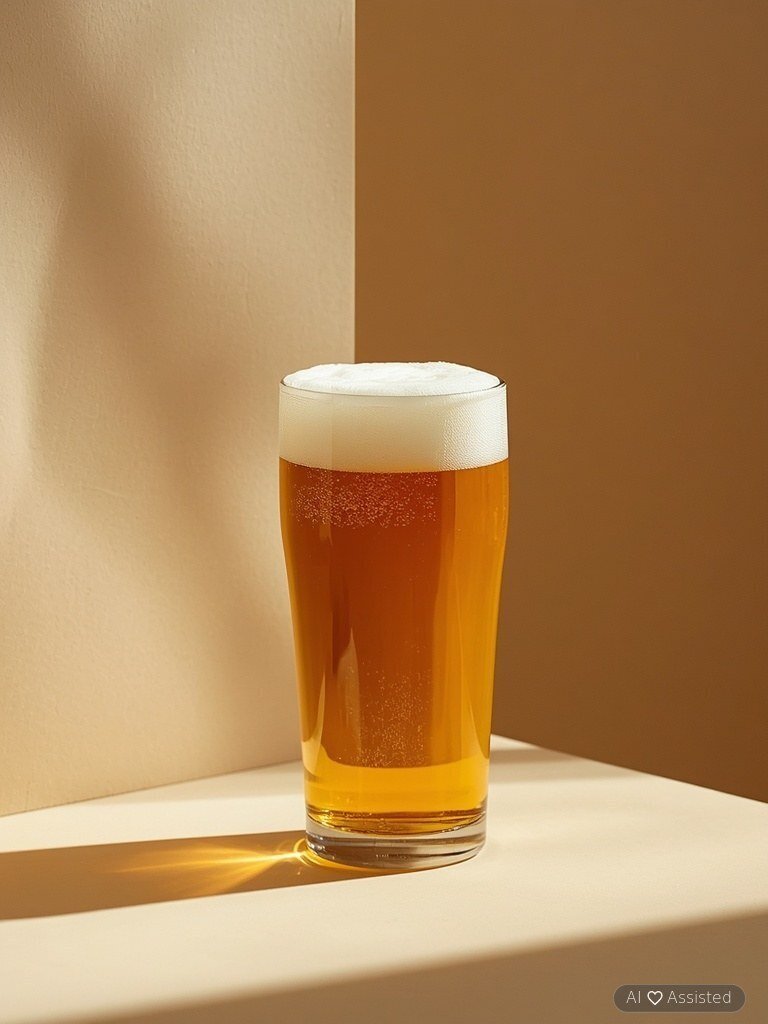
The summer season is frequently synonymous with social barbecues, where a bottle or can of one’s preferred beer often takes center stage. The spectrum of available varieties is vast: from traditional light and dark ales to specialty brews infused with honey or buckwheat, alongside wheat-based, gluten-free, rice-derived, and differently filtered options. Beyond its gustatory and cultural appeal, however, this beverage warrants closer examination of its biochemical composition, potential health benefits, and possible risks—particularly in relation to weight-loss diets, blood glucose regulation, urinary system function, and its impact on physical performance during exercise.
Essential raw materials and brewing technology
Beer is a traditional fermented beverage formulated from four foundational brewing ingredients: water, malted barley (or wheat), hops, and selected brewer's yeast strains. Water constitutes over 90% of the final volume, and its mineral profile directly governs the finished beer's sensory characteristics. Malt provides the starch substrate enzymatically converted into fermentable sugars during mashing, while hops contribute signature bitterness, essential oil aromatics, and natural microbial preservation via alpha acids.
Nutritional profile, polyphenols, and caloric density
Beer provides not only energy but also measurable amounts of micronutrients, including B-complex vitamins (thiamine, riboflavin, niacin, folate), bioavailable dietary silicon, and polyphenolic antioxidants derived from barley and hops (such as xanthohumol). However, the ethanol content (yielding 7 kcal per gram) combined with residual dextrins results in approximately 200 to 250 kcal per standard 500 ml serving. These calories are rapidly absorbed and represent empty energy that significantly complicates dietary calorie management.
Beer in weight management and lipid metabolism
The concept of the 'beer belly' has a clear physiological foundation. Ingestion of ethanol immediately halts hepatic lipid oxidation—the body prioritizes clearing alcohol as a toxin, putting cellular lipolysis on hold. Furthermore, beer exhibits a high glycemic index (often GI > 85 due to maltose and maltodextrins), precipitating insulin spikes and stimulating visceral adiposity. Coupled with the common consumption of calorie-dense, salty pub snacks and grilled meats, regular beer intake reliably drives hypercaloric surpluses and abdominal fat storage.
Beer and diabetes: glycemic dynamics and hypoglycemia risks
For individuals managing carbohydrate metabolism disorders, such as insulin resistance and type 2 diabetes, beer poses significant clinical hazards. Initially, residual maltose carbohydrates precipitate rapid postprandial hyperglycemia. Subsequently, ethanol suppresses hepatic gluconeogenesis, which in patients taking exogenous insulin or insulin secretagogues can trigger severe, delayed nocturnal hypoglycemia. Diabetics must strictly avoid sweetened flavored radlers, and if consuming beer occasionally, select low-carbohydrate dry styles alongside meals.
Beer and the renal system: diuretic action and stone prophylaxis
The colloquial belief that beer 'flushes the kidneys' stems from its acute diuretic effect, mediated by ethanol-induced suppression of vasopressin (antidiuretic hormone) from the pituitary gland. While enhanced diuresis can facilitate the mechanical clearance of micro-calculi, chronic alcohol intake induces systemic cellular dehydration, electrolyte depletion (magnesium, potassium), and hyperuricemia. Elevated serum uric acid markedly increases the clinical incidence of gout and urate nephrolithiasis. For renal prophylaxis, mineral water and non-alcoholic 0.0% beers provide far superior therapeutic safety.
Beer after exercise: hydration balance vs impaired muscular adaptation
Consuming standard alcoholic beer immediately following strenuous physical exercise significantly impairs training adaptations and tissue recovery. Ethanol blunts the mTOR signaling pathway, suppressing post-exercise muscle protein synthesis (MPS) rates by up to 37%. Furthermore, alcohol exacerbates dehydration, delays muscular glycogen resynthesis, and disrupts restorative deep slow-wave sleep when human growth hormone is maximally secreted. In stark contrast, dealcoholized beer (0.0% ABV) functions as an effective isotonic beverage, delivering malt carbohydrates and hop polyphenols that support rehydration without any toxic metabolic penalties.
Want to apply these guidelines in your daily diet?
Our smart diet generator creates a tailored meal plan in 3 minutes based on the recommendations in this article.
Tags

mgr Literatura: Dąbek A.: Proces produkcji piwa. Moskalewicz J.: Problemy zdrowia prokreacyjnego związane z konsumpcją alkoholu. Alkoholizm i Narkomania 2007, 20, 1, str. 55-63. Cichoż-Lach H., Grzyb M., Celiński K., Słomka M.: Nadużywanie alkoholu a alkoholowa choroba wątroby. Alkoholizm i Narkomania 2008, 21, 1, str. 55-62. Dąbrowski P., Olszaniecka-Glinanowicz M., Chudek J.: Żywienie w przewlekłej chorobie nerek. Endokrynologia, Otyłość i Zaburzenia Przemiany Materii 2011, 7, 4.
Diets Premium Expert
Diets Premium team expert. Specializes in nutrition plans, strength sports, and training plans.