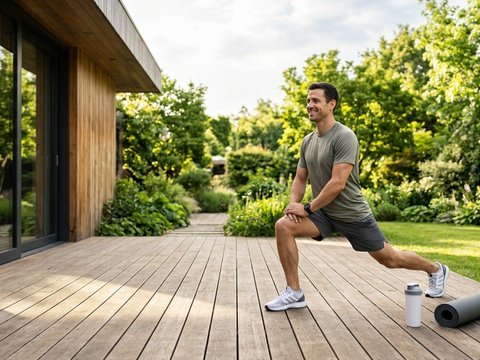
Balance and coordination training as a way to prevent injuries and falls in older adults


Table of Contents 4
Medical & Editorial Disclaimer (§3 Terms): This article is for informational and educational purposes only, does not constitute medical advice, diagnosis, or treatment, and is used at your own risk. Consult a qualified physician for medical conditions.
Physiological mechanisms and risk factors encompass a combination of behavioral habits, such as low physical activity, and environmental hazards like slippery floors, uneven pathways, or inadequate lighting. To counteract these vulnerabilities, structured balance and coordination training stimulates neuromuscular adaptation. Engaging in consistent physical movement enhances postural control, sharpens reflexes, and reinforces the musculoskeletal system against sudden slips.
Practical guidance for daily life involves clearing domestic hazards by removing loose rugs, minimizing thresholds, and ensuring proper footwear with slip-resistant properties, alongside adequate illumination. Seniors are encouraged to integrate tailored physical activities into their routines consistently. Participating in regular movement sessions can yield substantial health benefits and support overall functional longevity, provided that any underlying medical conditions are evaluated beforehand.
Risk factors contributing to injury and falls
How to effectively reduce fall risk in the elderly
Strength and coordination training as a method for preventing injuries and falls
Summary
Want to apply these guidelines in your daily diet?
Our smart diet generator creates a tailored meal plan in 3 minutes based on the recommendations in this article.
Tags

Olivia Davis
• 25.03.2026Diets Premium Expert
Diets Premium team expert. Specializes in nutrition plans, strength sports, and training plans.