PRO
6 min read
Autoimmune Disorders: Choosing the Suitable Diet
1 photo
487
Smart Voice
AI
0:00
0:00
Listen to the article content live
Table of Contents 5
PRO Content
PRO
This article is professional premium content (PRO) provided in its entirety.
One of the non-pharmacological treatment methods for autoimmune disorders is the selection of a suitable diet. An appropriate diet has the potential to decrease the severity of symptoms of autoimmune diseases and enhance the well-being and quality of life of patients with these diagnoses. The sooner it is implemented, the milder the course of the disease may be.
01 / 05
What are autoimmune disorders?
Autoimmune disorders, also known as autoimmune diseases, are increasingly common conditions. It is estimated that this problem affects 3-5% of the world's population, and the number of cases is constantly increasing. This is especially true for women, who make up approximately 80% of all cases. Autoimmune disorders are caused by a malfunction of the immune system, which is unable to differentiate between its own cells and foreign cells, leading to tissue damage. The main factors contributing to the development of autoimmune disorders are genetic and environmental. Factors that increase the risk of autoimmune disorders include physical injuries, taken medications, viral and bacterial infections. The most common autoimmune disorders include thyroid disorders such as Hashimoto's disease and Graves' disease. Other disorders include, among others, malignant anemia, Addison's disease, rheumatoid arthritis, type 1 diabetes, multiple sclerosis, and Sjögren's syndrome. The group of autoimmune disorders includes approximately 80 disease entities. Treatment of autoimmune disorders should be carried out under the supervision of a specialist, and most of them require the use of appropriate medications.
02 / 05
Are there foods that should not be in the diet of individuals with autoimmune diseases?
Individuals with autoimmune diseases should aim for an anti-inflammatory diet, focusing on foods with such properties and limiting those that may exacerbate inflammation. In particular, it is important to avoid highly processed products with high amounts of salt, sugar, and fat, as well as animal fats such as butter, lard, or salt, which are rich in saturated fats and can increase the risk of many diseases. It is also important to limit the consumption of products containing trans fats, such as sweets, cakes, chocolate, and other baked goods, which can increase the risk of diseases and exacerbate inflammation. Individuals with autoimmune diseases should also limit their intake of simple sugars, which can be found in sweets, sweet drinks, cakes, but also in fruits, which should not be excluded from the diet.
03 / 05
Should these products be included in an anti-inflammatory diet?
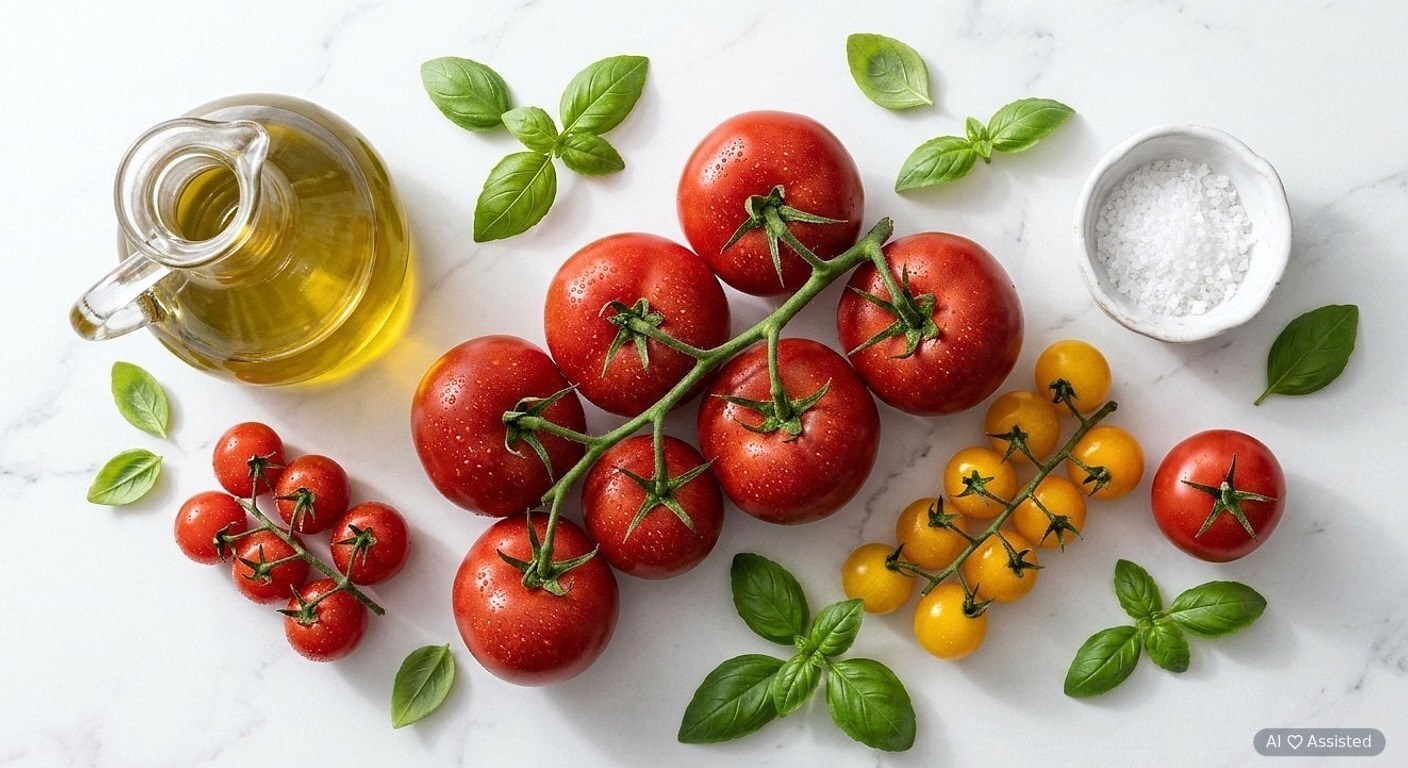
As previously mentioned, animal fats should be eliminated from the diet, with plant-based fats serving as a great replacement. However, it's important to highlight the anti-inflammatory effect of omega-3 fatty acids. Their main source in the human diet is fatty seafood, such as salmon, sardines, mackerel, and tuna. It's recommended to consume these fats at least 2 times a week. Other sources of these fats are vegetable oils, vegetable seeds, and fats. Carbohydrates should be the main source of energy in the diet. They can be found in whole-grain products such as rye bread, oatmeal, whole-grain pasta, and brown rice. These are a much better choice than their refined counterparts like white bread or white rice. Whole-grain products contain more nutrients and fiber. In one study, it was noted that the appropriate intake of fiber and omega-3 fatty acids reduced the risk of multiple sclerosis (MS) (A. Manzel et al. 2014). Fruits and vegetables are a source of vitamins and minerals. They should not be lacking in the case of inflammatory diseases. The recommended daily intake of these products is at least 400g, but it's advisable to aim for 800g, with vegetables being predominant. To achieve this, they should be considered in every meal, e.g., as a salad for lunch or as an addition to a snack. Protein sources should also be considered in the diet, both of plant and animal origin, such as lean meat, dairy products with a fat content of up to 2%, or legumes. Proteins are an important building block, and insufficient intake can disrupt the immune system. Red meat should be limited due to its high content of saturated fatty acids. A better choice is white meat like chicken or turkey. The preparation of meals also plays an important role. It's not recommended to fry or stew food in large amounts of fat. If frying or stewing is necessary, it's better to use olive oil or rapeseed oil instead of butter or lard. Baking, cooking in water, or steaming should, however, predominate over other preparation methods, especially in the case of inflammatory diseases. The Mediterranean diet is a dietary model that can help in the case of inflammatory diseases. It's based on the intake of whole-grain products, olive oil, fruits, vegetables, nuts, fish, dairy products, and lean meat. All these products are highly recommended in an anti-inflammatory diet. However, it's important to limit the intake of saturated fatty acids and fatty meats. Moreover, it's recommended to replace salt with fresh and aromatic herbs. The Mediterranean diet has been in the TOP 3 of the healthiest diets for many years (C.B. Mazzucca et al. 2021).
04 / 05
Tips for individuals with autoimmune diseases:
– Eat several meals a day regularly and adjust their number to your lifestyle. These meals should not be too large, it is better to eat more often and in smaller portions. – Replace white bread, rice, and sugary corn with products providing a higher content of vitamins, minerals, and fiber, such as rye bread, graham bread, brown rice, oatmeal, and coarse grits. This will have a positive impact on your health and increase the feeling of satiety after a meal. – Eat fatty fish like salmon, tuna, and sardines. Start with one serving per week and gradually increase it to at least two servings. – Replace red meat with poultry such as chicken or turkey, preferably cooked or baked, to reduce the intake of saturated fats and strengthen the immune system. – The main source of lipids in your diet should be plant-based fats, so avoid lard and bacon and use olive oil, rapeseed oil, or linseed oil instead. – Instead of sweets, choose nuts, fruits, and vegetables as snacks, which will provide you with energy and be a source of important nutrients. – Replace colorful drinks with moderately mineralized water to avoid excessive calorie and sugar intake and provide your body with important minerals such as calcium, magnesium, and potassium.
05 / 05
Summary
An appropriate diet for individuals suffering from autoimmune diseases can significantly impact the course of their ailment. There are certain limitations regarding the consumption of certain products, but the diet is not excessively restrictive and does not require the complete removal of product groups. However, it emphasizes the selection of better and healthier alternatives. Adhering to these dietary recommendations can improve the functioning of the immune system.
Meal Plan
Want to apply these guidelines in your daily diet?
Our smart diet generator creates a tailored meal plan in 3 minutes based on the recommendations in this article.

Scientifically reviewed by a clinical dietitian
• 15.03.2026
Dojs A., Dietoprofilaktyka i dietoterapia w chorobach autoimmunologicznych ze szczególnym uwzględnieniem schorzeń gruczołu tarczowego, w tym choroby Hashimoto, „Acta Salutem Scientiae” 2019, 1, 21–26. Manzel A. et al., Role of "Western diet" in inflammatory autoimmune diseases, „Current Allergy and Asthma Reports” 2014, 14(1), 404. Mazzucca C.B. et al., How to Tackle the Relationship between Autoimmune Diseases and Diet: Well Begun Is Half-Done, „Nutrients” 2021, 13(11), 3956.
Diets Premium Expert
Diets Premium team expert. Specializes in nutrition plans, strength sports, and training plans.
USDA FoodData Central
EFSA
PubMed Clinical Guidelines