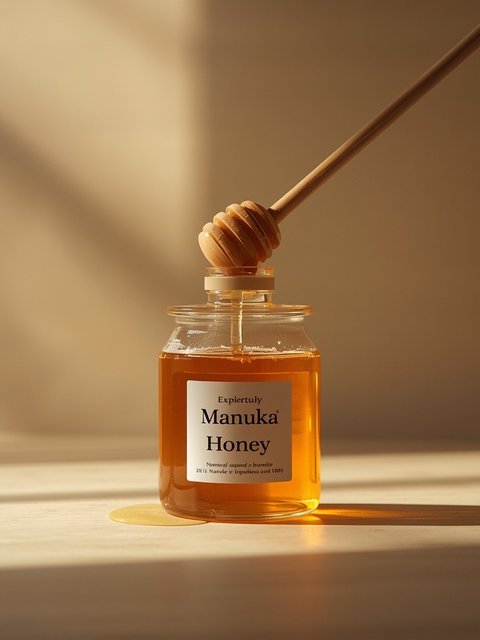
Authenticating Honey: How to Identify Genuine Honey and Avoid Purchase Scams
Smart Voice
AITable of Contents 4
Honey is a complex, biologically active food matrix produced by honeybees from floral nectar or honeydew exudates. Renowned for its rich enzymatic profile, antimicrobial peptides, and antioxidant properties, honey commands premium pricing—making it one of the most frequently adulterated food commodities globally. This guide examines the biochemical composition of genuine honey, details industrial adulteration tactics, and provides validated laboratory and household tests to ensure product authenticity.
Biological Profile and Formation of Authentic Honey
Authentic honey is a biologically complex food matrix produced by honeybees through the enzymatic transformation of floral nectar or honeydew. Its unique flavor, aroma, and health benefits stem from a natural composition of enzymes—such as glucose oxidase, invertase, and diastase—generated during fermentation. These enzymes not only contribute to preservation but also enhance nutritional value by releasing amino acids and vitamins. Additionally, honey contains natural antioxidants like flavonoids and phenolic acids, which exhibit anti-inflammatory and immunomodulatory properties.
To distinguish genuine honey from adulterated products, consumers should focus on several key criteria. First, origin is critical: Authentic honey must clearly label the producer, apiary, and country of origin. Regional products are particularly valuable due to their higher enzymatic activity and pollen diversity. Another important feature is consistency: Natural honey may crystallize over time, which is a hallmark of authenticity. Industrially produced fakes, however, remain uniformly liquid and homogeneous.
Furthermore, attention should be paid to color and clarity: Genuine honey varies in hue from light amber to dark brown and may appear slightly cloudy, whereas fakes often appear unnaturally clear and artificial. Another useful test is solubility in water: Authentic honey dissolves slowly, forming a clear, viscous solution, while adulterated honey dissolves rapidly and often leaves a sweet but chemically unnatural aftertaste.
Adulteration Tactics: Industrial Syrups and Artificial Bee Feeding
Industrial honey adulteration employs several tactics to alter or replace the natural composition of honey. One of the most common methods involves the addition of corn syrup or sugar syrups, which increase sugar content but destroy valuable enzymes and antioxidants. Another technique is high-pressure filtration, which removes natural components like pollen and enzymes to make the honey appear clearer and more appealing.
A frequent trick is the artificial feeding of bees with sugar solutions presented as nectar. This results in honey with reduced natural enzyme and pollen content, which may look appealing but lacks nutritional value. Additionally, honeydew honey is often blended with nectar honey to mask quality deficiencies. These mixtures typically contain fewer health-promoting compounds and are frequently enriched with artificial flavors and colorants.
Consumers can identify such adulterations by looking for vague origin labels, often using terms like 'EU blend' to obscure the true source. An uncharacteristically uniform taste and the absence of a natural aftertaste can also signal adulteration. Additionally, overly clear honey bottles should raise suspicion, as natural honey often appears slightly cloudy.
Reliable Authenticity Tests: Crystallization, Water Dissolution, and Density
A reliable test for honey authenticity is crystallization. Authentic honey typically crystallizes within weeks to months post-harvest, with consistency varying by floral source. Acacia honey, rich in fructose, is an exception and often remains liquid longer. If honey remains liquid for months on supermarket shelves, it likely underwent pasteurization or syrup dilution, preventing natural crystallization.
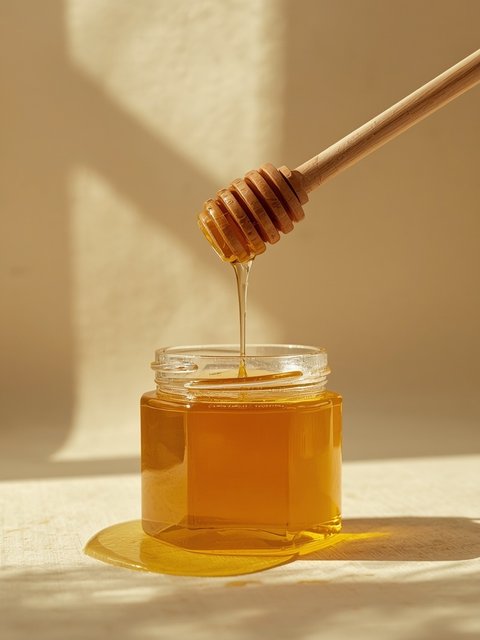
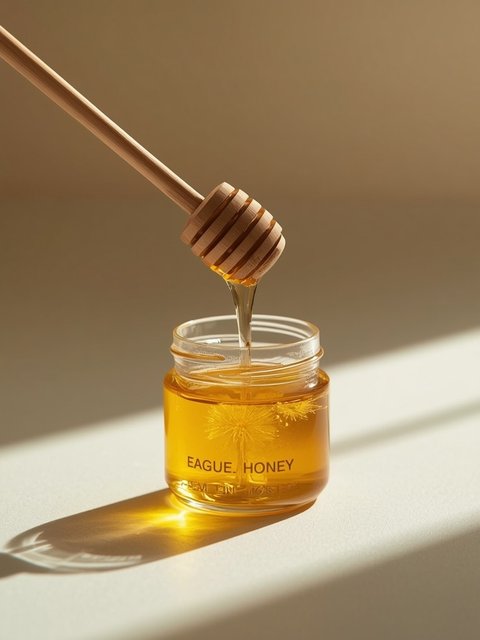
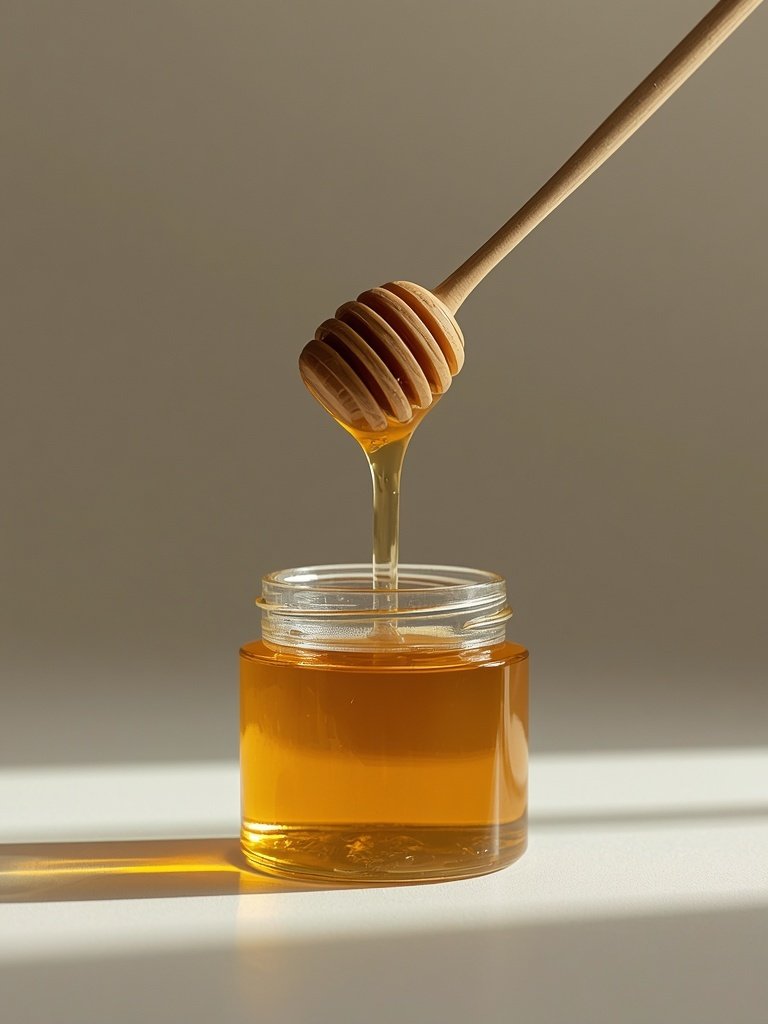
Another simple test is the water dissolution test: A teaspoon of honey is placed in cold water. Genuine honey slowly settles to the bottom, forming a clear, compact mass, whereas adulterated honey dissolves rapidly, creating a turbid solution. Additionally, the density test involves observing how honey drips onto a clean surface. Authentic honey forms a distinct, well-defined droplet, while fakes often appear irregular and sticky.
Another practical test is the pencil test: A clean pencil is dipped into the honey and removed. Genuine honey leaves a clear, smooth line, whereas adulterated honey tends to be sticky and uneven. These tests are easy to perform and provide immediate clues to honey authenticity.
Food Regulations, Label Verification, and Sourcing Local Honey
To protect against honey adulteration, it is crucial to understand food regulations governing honey labeling. According to EU directives, genuine honey products must specify the exact origin, floral source, and harvest year. Particularly valuable are honey products bearing the EU Organic Seal, as they undergo rigorous controls and are prohibited from containing additives. Consumers should avoid products with vague origin labels such as 'blend of EU and non-EU honeys,' as these often contain highly filtered, low-quality imported honey.
Another key aspect is purchasing honey directly from local beekeepers. Buying directly from the producer allows consumers to verify the honey's origin and assess its quality through direct observation of the apiary and beekeeping practices. Local beekeepers often provide transparent information about the floral sources, harvest times, and processing methods, which confirms the product's authenticity. Additionally, purchasing from local beekeepers supports the local economy and promotes sustainable agriculture.
In summary, consumers can ensure they are purchasing genuine, high-quality honey by carefully reading labels, buying from trusted sources, and applying simple authenticity tests. This not only benefits personal health but also supports fair trade practices for beekeepers worldwide.
Want to apply these guidelines in your daily diet?
Our smart diet generator creates a tailored meal plan in 3 minutes based on the recommendations in this article.

Literatura: „Właściwości biologiczne i prozdrowotne miodu oraz jego zastosowanie jako zdrowa żywność”; mgr farm. Katarzyna Basista, doktorantka, Katedra Farmakodynamiki, Wydz. Farmaceutyczny UJ, Collegium Medicum Rozporządzenie Ministra Rolnictwa i Rozwoju Wsi z dnia 23 grudnia 2014 r. w sprawie znakowania poszczególnych rodzajów środków spożywczych.
Diets Premium Expert
Diets Premium team expert. Specializes in nutrition plans, strength sports, and training plans.