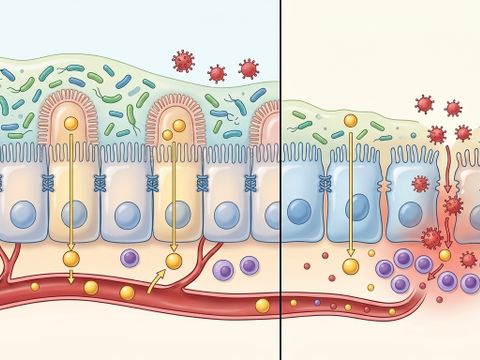
Astaxanthin - Organic Pigment with Beneficial Attributes
1 photo
2816
Smart Voice
AI
0:00
0:00
Listen to the article content live
Table of Contents 11
PRO Content
PRO
This article is professional premium content (PRO) provided in its entirety.
In order to fortify health and maintain the appropriate state of the body, the influence of substances of natural origin is increasingly being utilized. One of these substances is astaxanthin, which bestows a red hue to certain plants and animals. It demonstrates a wide range of effects and is therefore considered a valuable raw material with health-promoting attributes.
01 / 11
What is astaxanthin?
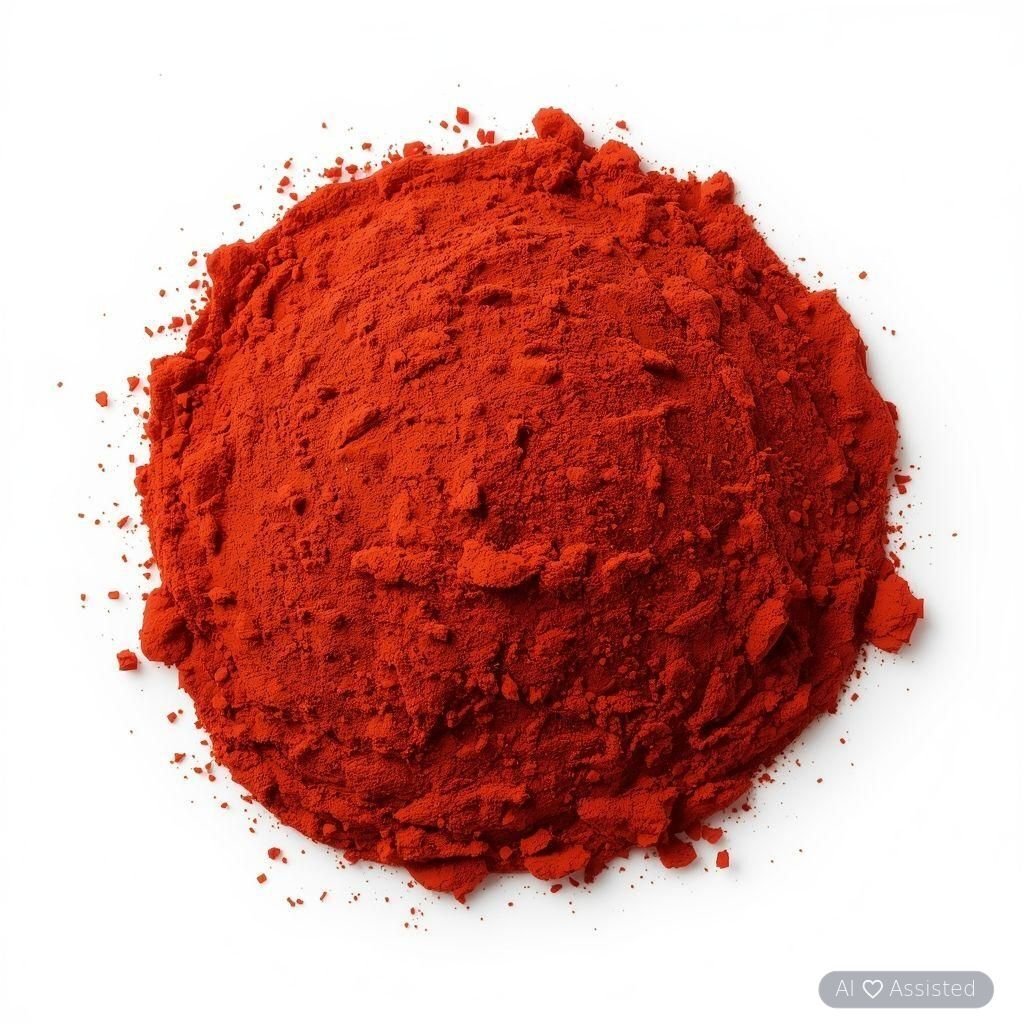
Astaxanthin is a compound of organic substances that belong to the class of carotenoids. Compared to other components in this class, it is characterized by higher resilience and stability. It is more resistant to high temperatures and light due to its unique chemical and physical structure. Astaxanthin has a brown-red color and is classified as one of the natural pigments used in the food industry. It is designated as a food additive with the E161j label.
02 / 11
A natural source of astaxanthin
Astaxanthin is produced by some microorganisms and fungi. Although it is primarily produced from the single-celled algae Hematococcus pluvialis (approximately 4% of the dry weight of these organisms), it is also produced by the algae Chlorella zofingensis, which accumulate pigment even in the absence of lighting. Another valuable source of astaxanthin is the yeast Xanthophyllomyces dendrorhous. Although the production efficiency of fungi is lower than that of algae, it still constitutes a valuable raw material due to lower production costs. Astaxanthin can also be extracted from certain species of crustaceans such as Euphausia pacifica (pacific krill), Euphausia superba (antarctic krill), and Pandalus borealis (northern shrimp) – in these organisms, pigment is primarily present in the shells. Some animals, despite lacking the ability to synthesize astaxanthin, can accumulate it through food intake, and the accumulation of pigments in various organs (mainly muscles) gives them a red color. The coloration of certain fish species, lobsters, shrimp, and flamingos is due to the presence of astaxanthin. Salmon, rainbow trout, and seafood (particularly lobster, crab, crayfish, and shrimp) are natural sources of astaxanthin in the diet. However, it should be noted that the pigment content in these organisms is low compared to algae. Astaxanthin can also be obtained through chemical synthesis.
03 / 11
Fundamental mechanisms of action of astaxanthin
Astaxanthin is considered one of the natural antioxidants. It demonstrates strong antioxidant properties by combating free radicals, including reactive forms of oxygen and nitrogen. It has been discovered that its antioxidant activity is significantly higher than other known antioxidant compounds such as α-tocopherol (vitamin E), α-carotene, β-carotene, lycopene, and lutein (Y. Naguib 2000). Its strong antioxidant potential also stems from the ability of the human body to stimulate the activity of enzymes that have antioxidant properties, such as dismutase (SOD). These properties have been confirmed in numerous scientific studies. In one study, healthy, non-smoking men residing in Finland were administered astaxanthin at a dose of 8 mg per day for three months. After this period, a significant decrease in the concentration of oxidized fatty acids in the serum of the subjects was observed (J. Karppi et al. 2007). In another study, the antioxidant properties of the pigment were tested in 27 overweight or obese men and women. Over 12 weeks, they consumed 20 mg of astaxanthin daily after breakfast. After the supplementation, a decrease in markers of oxidative stress caused by free radicals was observed, as well as an increase in SOD activity and total antioxidant capacity of plasma (TAC). These effects were not observed in the placebo group (H. Choi, Y. Youn, W. Shin 2011).
04 / 11
Combating inflammatory states
Astaxanthin demonstrates the ability to combat inflammatory states by lowering the level of components indicative of inflammation in the body. These include proinflammatory cytokines such as interleukin-1, interleukin-6, and tumor necrosis factor (TNF-α). It also blocks the activity of certain enzymes (nitric oxide synthase, cyclooxygenase-2) that are key to the development of inflammation. It has been observed that this pigment reduces swelling caused by inflammation and lowers the level of C-reactive protein (CRP), which is a significant marker of chronic inflammation. The ability to combat inflammatory states is closely linked to the immunomodulatory properties of astaxanthin.
05 / 11
Enhancement of immune system function
An excess of free radicals leads to oxidative stress, which weakens the entire body and contributes to the development of various ailments. In order to prevent these ailments, it is essential to maintain proper functioning of the immune system. Astaxanthin demonstrates the ability to enhance the body's immune response, resulting in increased production of immune system cells, including T and B lymphocytes and NK cells, which constitute the first line of defense against infections and infections. The immunomodulatory properties of astaxanthin have been confirmed by research (J. Park et al. 2010).
06 / 11
Anti-cancer Effect
Due to its antioxidant, anti-inflammatory, and immunostimulating properties, astaxanthin demonstrates potent anti-cancer activity. It has been confirmed that astaxanthin can inhibit the growth of cancer cells and initiate their destruction through apoptosis (J. S. Bertram, A. L. Vine 2005). The antioxidant activity of astaxanthin contributes to the reduction of carcinogens by lowering the level of free radicals. Moreover, astaxanthin boosts the immune response and promotes the production of immune cells, which aids in enhancing the body's defense capabilities against mutated cells (P. Palloza et al. 2009). It has also been observed that astaxanthin has antiproliferative properties, which limit the ability of cells to proliferate, and enhance the effectiveness of chemotherapy (I. Faraone et al. 2020).
07 / 11
Health advantages of astaxanthin
The application of astaxanthin prevents the onset of type 2 diabetes and aids in improving glycemic parameters in individuals who have already developed the disease. Supplementation with a natural dye through antioxidant activity and reduction of oxidative stress protects the beta cells of the pancreas (responsible for insulin production) from damage. This prevents disorders related to glucose metabolism. There are studies confirming the positive impact of astaxanthin on the carbohydrate economy. In one of these studies, scientists noted a decrease in blood glucose levels and an increase in the adiponectin level, which plays a significant role in metabolism and increases insulin sensitivity. Improvement in parameters among individuals diagnosed with type 2 diabetes occurred after 8 weeks of using the dye isolated from algae in a daily amount of 8 mg. In the same study, a reduction in triglycerides and LDL cholesterol levels was also confirmed (N. S. Mashhadi et al. 2018).
08 / 11
Optimization of lipid levels
Astaxanthin has a positive impact on the circulatory system and protects against the development of cardiovascular diseases. Its positive effect is attributed to its antioxidant and anti-inflammatory properties, as well as its involvement in lipid metabolism. Scientific studies suggest that this pigment may lower LDL cholesterol levels (bad cholesterol) and elevate HDL cholesterol levels (good cholesterol). Additionally, astaxanthin has antiatherogenic properties through the increase of adiponectin levels. In one study, an improvement in lipid parameters was observed after the use of astaxanthin supplementation. The study involved 61 individuals aged 25-60 years who were randomly divided into groups and received 6, 12, or 18 mg of the pigment from algae daily. One group received placebo as a control group. After 12 weeks of supplementation, a significant decrease in triglyceride levels and an increase in HDL cholesterol levels were observed in the individuals taking the supplement. Furthermore, the use of higher doses (12 and 18 mg) led to an increase in adiponectin levels in the blood.
09 / 11
Rejuvenation and protection of the liver
Antioxidant and anti-inflammatory properties exert a beneficial influence on the vigorous activity of liver cells, hepatocytes. Scientific findings have demonstrated that astaxanthin can serve as both a preventive and therapeutic measure for various liver diseases, including fibrosis, nonalcoholic fatty liver disease (NAFLD), cancer, and drug-induced damages (J. Li, C. Guo, J. Wu 2020).
10 / 11
Protective attributes towards nerve cells
Astaxanthin also displays protective attributes towards nerve cells. This is predominantly due to its high antioxidant activity and capacity to inhibit inflammation. Both persistent oxidative stress and inflammatory processes exert detrimental effects on neurons. Consequently, neuroprotective attributes are pivotal in preventing diseases resulting from damages to nerve cells, including Alzheimer's and Parkinson's disease. These attributes have been corroborated in scientific studies (Ch. Galasso 2018; S. Fakhri et al., 2019).
11 / 11
Summary
Astaxanthin constitutes one of the most powerful antioxidants of natural origin, exhibiting a wide range of health-promoting effects on the human body. It can be obtained in the form of tablets or capsules. In the production of dietary supplements, astaxanthin derived from algae is predominantly used, as well as that obtained from yeast to a lesser extent. As of yet, no maximum dosage has been established, as it does not cause adverse effects even in large quantities. Astaxanthin is considered a safe substance.
Meal Plan
Want to apply these guidelines in your daily diet?
Our smart diet generator creates a tailored meal plan in 3 minutes based on the recommendations in this article.

Scientifically reviewed by a clinical dietitian
• 24.03.2026
mgr Bertram J.S., Vine A.L., Cancer prevention by retinoids and carotenoids: Independent action on a common target, „Biochimica et Biophysica Acta” 2005, 1740(2), 170–178. Choi H., Youn Y., Shin W., Positive Effects of Astaxanthin on Lipid Profiles and Oxidative Stress in Overweight Subjects, „Plant Foods for Human Nutrition” 2011, 66(4), 363–369. Fakhri S. et al., The Neuroprotective Effects of Astaxanthin: Therapeutic Targets and Clinical Perspective, „Molecules” 2019, 24(14), epub. Faraone I. et al., Astaxanthin anticancer effects are mediated through multiple molecular mechanisms: A systematic review, „Pharmacological Research” 2020, 155, epub. Galasso Ch., On the Neuroprotective Role of Astaxanthin: New Perspectives?, „Marine Drugs” 2018, 16(8), epub. Genest J., C-reactive protein: Risk factor, biomarker and/or therapeutic target?, „The Canadian Journal of Cardiology” 2010, 26 (suppl. A), 41–44. Jyonouchi H. et al., Antitumor Activity of Astaxanthin and Its Mode of Action, „Nutrition and Cancer” 2000, 36(1), 59–65. Karppi J. et al., Effects of Astaxanthin Supplementation on Lipid Peroxidation, „International Journal for Vitamin and Nutrition Research” 2007, 77(1), 3–11. Kishimoto Y., Yoshida H., Kondo K., Potential Anti-Atherosclerotic Properties of Astaxanthin, „Marine Drugs” 2016, 14(2), epub. Li J., Guo C., Wu J., Astaxanthin in Liver Health and Disease: A Potential Therapeutic Agent, „Drug Design, Development and Therapy” 2020, 2020(14), 2275–2284. Lis K., Kołoczek H., Znaczenie żywności funkcjonalnej, nutraceutyków, w tym astaksantyny w żywieniu człowieka, Zdrowie i style życia. Determinanty długości życia, pod red. Nowak W., Szalonki K., Wrocław 2020, 115–131. Mashhadi N.S. et al., Astaxanthin improves glucose metabolism and reduces blood pressure in patients with type 2 diabetes mellitus, „Asia Pacific Journal of Clinical Nutrition” 2018, 27(2), 341–346. Naguib Y., Antioxidant Activities of Astaxanthin and Related Carotenoids, „Journal of Agricultural and Food Chemistry” 2000, 48(4), 1150–1154. Palloza P. et al., Growth-inhibitory effects of the astaxanthin-rich alga Haematococcus pluvialis in human colon cancer cells, „Cancer Letters” 2009, 283(1), 108–117. Park J. et al., Astaxanthin decreased oxidative stress and inflammation and enhanced immune response in humans, „Nutrition & Metabolism” 2010, 7, epub. Pogorzelska E., Hamułka J., Wawrzyniak A., Astaksantyna – budowa, właściwości i możliwości zastosowania w żywności funkcjonalnej, „Żywność. Nauka. Technologia. Jakość” 2016, 1(104), 5–16. Sieradzka M., Kołodziejczyk-Czepas J., Astaksantyna – karotenoidowy przeciwutleniacz o właściwościach kardioprotekcyjnych, „Problemy Higieny i Epidemiologii” 2016, 97(3), 197–206. Yoshida H. et al., Administration of natural astaxanthin increases serum HDL-cholesterol and adiponectin in subjects with mild hyperlipidemia, „Atherosclerosis” 2010, 209(2), 520–523.
Diets Premium Expert
Diets Premium team expert. Specializes in nutrition plans, strength sports, and training plans.
USDA FoodData Central
EFSA
PubMed Clinical Guidelines