Aromatic culinary additions that revolutionize the taste of dishes and effectively replace salt in the daily diet
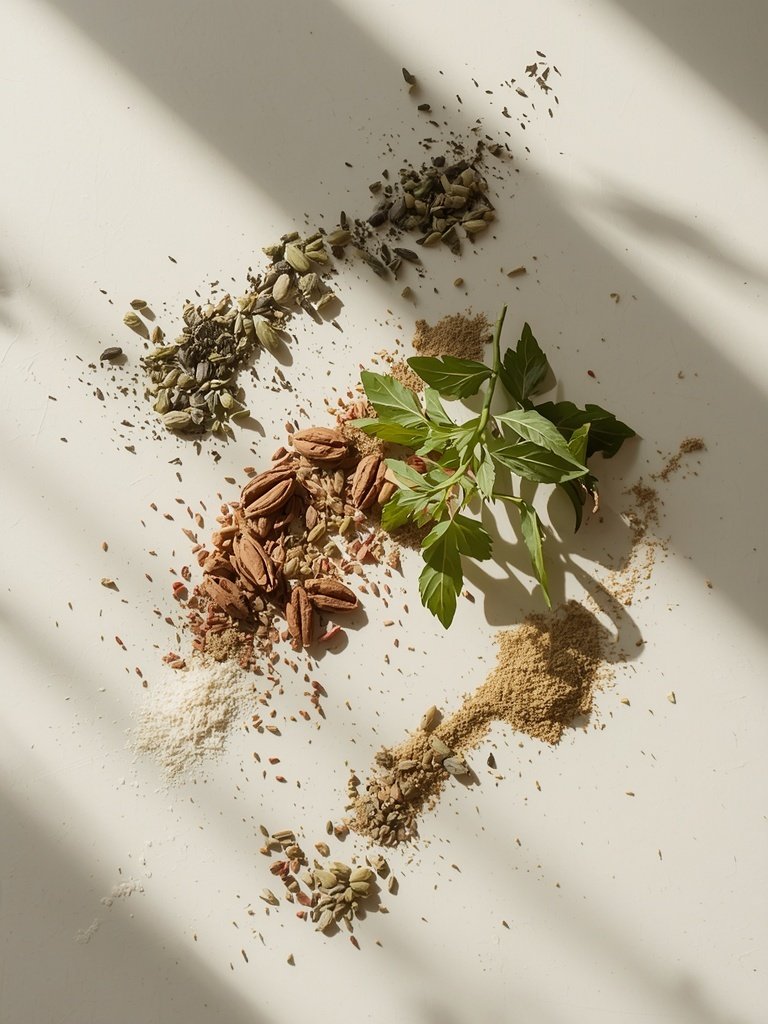
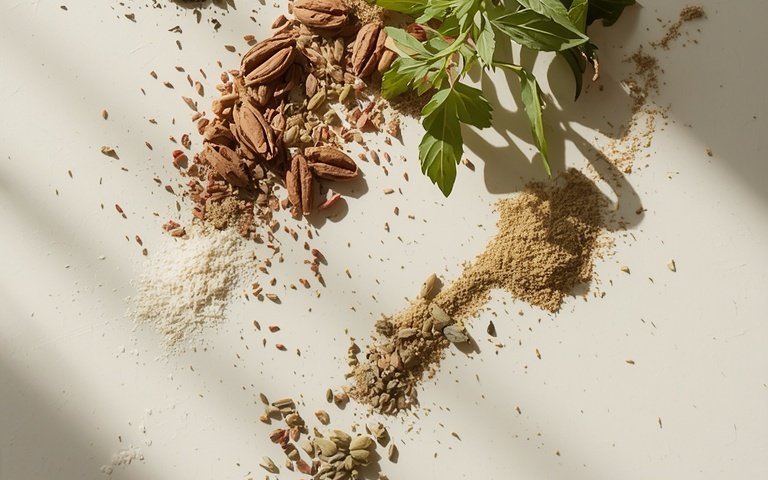
Table of Contents 4
Medical & Editorial Disclaimer (§3 Terms): This article is for informational and educational purposes only, does not constitute medical advice, diagnosis, or treatment, and is used at your own risk. Consult a qualified physician for medical conditions.
The physiological insights covered explain how the human palate possesses remarkable neurosensory plasticity, allowing taste buds to recalibrate and become more sensitive to subtle flavors after a brief period of lower sodium intake. By activating alternative gustatory pathways through the use of culinary acids like lemon juice and umami-rich ingredients such as nutritional yeast or dried mushrooms, one can achieve a satisfying depth of flavor. The text also highlights the importance of timing, distinguishing between robust woody herbs that need heat to release their oils and delicate fresh herbs that should be added just before serving.
Practical takeaways for daily nutrition include utilizing potent salt mimics like lovage and savory to provide savory bouillon notes to soups and stews. Incorporating fresh alliums and a variety of dried spices can transform simple ingredients into vibrant meals that contribute to metabolic efficiency. By embracing these natural flavor enhancers, individuals can successfully navigate a low-sodium path that promotes long-term health while rediscovering the authentic and diverse tastes of whole foods.
Table salt is universally embraced as a culinary flavor enhancer, yet excessive dietary sodium represents a primary clinical driver of hypertension, cerebrovascular accidents, and renal dysfunction. While the World Health Organization (WHO) urges limiting sodium intake to under 5 g of salt daily, the modern diet routinely delivers double this threshold. Slashing sodium never requires resigning oneself to bland, tasteless meals. Utilizing aromatic culinary herbs, pungent roots, citrus zests, and umami-rich natural spices unlocks intricate gastronomic dimensions, elevating everyday dining while safeguarding cardiovascular health.
Why Curtailing Sodium Matters and How Taste Buds Readapt
Excess dietary sodium triggers systemic extracellular fluid retention, raising intravascular pressure and straining vascular endothelium. Many hesitate to curtail salt out of fear of gastronomic deprivation. However, human taste receptors exhibit extraordinary neurosensory plasticity: within 10–14 days of adopting a low-sodium regimen, taste bud sensitivity resets dramatically. Foods previously considered palatable suddenly register as excessively salty, while the palate begins discerning delicate herbal nuances, sweetness in root vegetables, and complex aromatics previously masked by sodium saturation.
Fresh vs. Dried Herbs: Preservation Principles and Volatile Oil Release
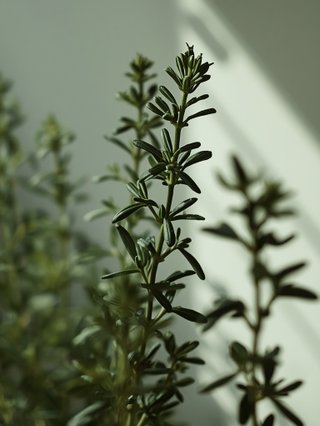
Extracting the fullest sensory spectrum from culinary botanicals hinges upon their structural characteristics. Robust, woody herbs (rosemary, thyme, bay leaf, winter savory, marjoram) encapsulate resilient essential oils that require sustained heat to diffuse; they should be added at the onset of simmering, braising, or roasting. In contrast, tender soft herbs (basil, cilantro, dill, flat-leaf parsley, chives, mint) are heat-sensitive and should be chopped and folded into dishes immediately prior to serving. Rubbing dried herbs between the palms or crushing them in a mortar prior to use releases essential terpenes instantly.
Premier Herbal Salt Substitutes: Lovage, Savory, Garlic, and Herbs de Provence
European culinary tradition boasts exceptional herbs that brilliantly mimic the palate perception of salinity:
• Lovage (Levisticum officinale): Known as natural Maggi, its leaves provide intense savory bouillon depth, transforming soups and broths without sodium.
• Summer/Winter Savory: Features a peppery, spicy pungency that elevates bean stews, cabbage, and roasted meats.
• Garlic and Onion (fresh bulbs and dehydrated flakes): Allium sulfur compounds stimulate trigeminal receptors, imparting savory punch to dressings and marinades.
• Herbes de Provence: A classic southern French blend of rosemary, thyme, savory, basil, and marjoram that flawlessly seasons roasted poultry, fish, and ratatouille.
Sensory Flavor Multipliers: Culinary Acids, Toasted Aromatics, and Natural Umami
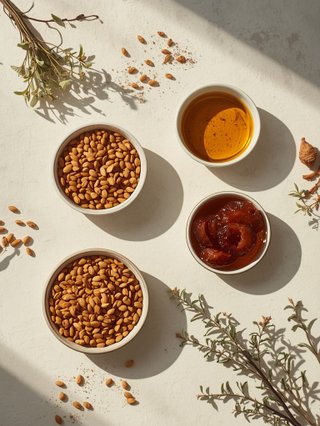
Master culinarians compensate for low sodium by activating alternative gustatory pathways. The primary secret weapon is culinary acidity: finishing dishes with fresh lemon or lime juice, or artisanal unpasteurized apple cider or balsamic vinegar immediately awakens salivary glands, intensifying flavor perception. The second cornerstone is natural umami: pulverized dried wild forest mushrooms, sun-dried tomato paste, inactive nutritional yeast flakes, and wild ramps. The third technique is dry-toasting whole seeds (sesame, cumin, coriander, pumpkin seeds) prior to seasoning, infusing irresistible nutty complexity that renders table salt entirely redundant.
Want to apply these guidelines in your daily diet?
Our smart diet generator creates a tailored meal plan in 3 minutes based on the recommendations in this article.
Tags

mgr Tomasz Jankowski
• 23.10.2026Diets Premium Expert
Diets Premium team expert. Specializes in nutrition plans, strength sports, and training plans.