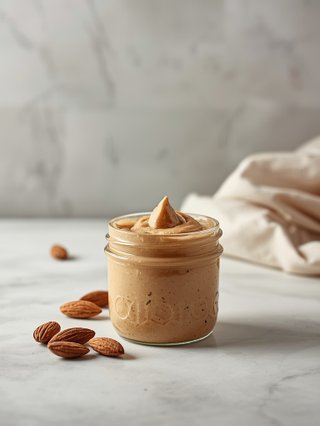
Are these actually tocopherols and tocotrienols, and what roles do they play in our body?


Table of Contents 4
Medical & Editorial Disclaimer (§3 Terms): This article is for informational and educational purposes only, does not constitute medical advice, diagnosis, or treatment, and is used at your own risk. Consult a qualified physician for medical conditions.
From a physiological standpoint, the absorption of these fat-soluble molecules occurs in the small intestine and relies heavily on the presence of dietary lipids and hepatic bile acids. While tocopherols accumulate primarily in adipose tissue to shield cell membranes from oxidative stress, tocotrienols demonstrate exceptional free-radical scavenging capabilities due to their molecular structure. Furthermore, tocotrienols play a key role in cardiovascular maintenance by helping to modulate circulating cholesterol profiles, thereby supporting vascular integrity, immune function, and neurological well-being.
To translate these insights into daily lifestyle habits, it is beneficial to consume a varied array of nutrient-dense foods such as plant oils, nuts, seeds, and whole grains. Because the bioaccessibility of these compounds depends on lipid digestion, pairing vitamin E sources with healthy dietary fats optimizes their uptake. Emphasizing a diverse, whole-food diet helps sustain balanced lipid levels, reinforces natural immune defenses, and protects tissues from oxidative damage over time.
Tocopherol vitamins: lipophilic characteristics and absorption pathways
Tocopherols: Biological roles, therapeutic applications, and dietary sources – a comprehensive scientific review
Tocotrienolic compounds: Enhanced antioxidant derivatives of vitamin E with emerging transdermal and metabolic implications
Tocotrienols: Biological properties, dietary sources, and mechanistic roles in cardiovascular health, neuroprotection, and dermatological applications
Want to apply these guidelines in your daily diet?
Our smart diet generator creates a tailored meal plan in 3 minutes based on the recommendations in this article.
Tags

mgr Literatura: Witkowski S. Tokotrienole – mniej znana strona witaminy E. Herbalism 2016, 1(2), 7-21. Zielińska A., Nowak I. Tokoferole i tokotrienole jako witamina E. CHEMIK 2014, 68, 7, 585-591. Szymańska R., Kruk J. Występowanie oraz funkcja tokochromanoli u roślin, zwierząt i u człowieka. Postępy Biochemii 2007, 53 (2), 174-181. Mińkowski K. i wsp. Ocena wartości odżywczej olejów roślinnych o dużej zawartości kwasów linolenowych na podstawie kwasów tłuszczowych, tokoferoli i steroli. ŻYWNOŚĆ. Naukowa. Technologia. Jakość, 2011, 2(75), 124-135. Zalega J., Szostak-Węgierek D. Żywienie w profilaktyce nowotworów. Część II. Składniki mineralne, witaminy, wielonienasycone kwasy tłuszczowe, probiotyki, prebiotyki. Problemy Higieny i Epidemiologii, 2013, 94(1): 50-58.
• 24.09.2026Diets Premium Expert
Diets Premium team expert. Specializes in nutrition plans, strength sports, and training plans.