Key Takeaways
Substances that protect against oxidation are essential compounds for maintaining physical health and supporting the body against the effects of oxidative stress. While many people turn to dietary supplements in search of these benefits, the most effective and safe way to obtain them is through a diet rich in natural, whole foods. Understanding how these compounds function is vital for anyone looking to enhance their long-term well-being through informed nutritional choices.
The physiological mechanisms involve the neutralization of free radicals, which are reactive molecules that can damage cells and contribute to various health challenges. By consuming a wide variety of fresh fruits, vegetables, and herbs, you provide your body with bioactive metabolites that effectively counteract these processes. These natural compounds work to support the body's internal defense systems, helping to maintain cellular integrity and overall physiological balance.
For the best results, prioritize obtaining these bioactive compounds from whole food sources rather than relying on synthetic pills or powders. A diverse diet, centered around fresh, colorful produce, offers the most synergistic benefits for your health. By consistently incorporating these antioxidant-rich foods into your daily meals, you can naturally support your body's protective functions and promote a healthier lifestyle without the need for unnecessary supplementation.
Substances that protect against oxidation are compounds that are quite well known in our community for their beneficial effects on the body. Unfortunately, they are often mistakenly associated solely with dietary supplements, whereas much more beneficial absorption and safer use results from consuming them in natural products like fruits and superfoods. What are these substances that protect against oxidation and where can we find them?
02 / 04
Antioxidants in food
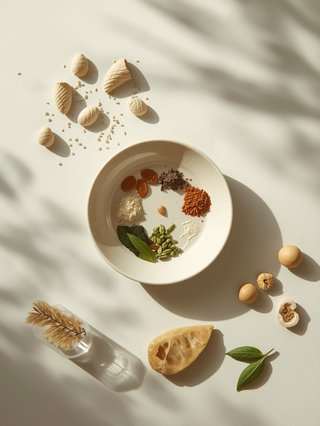
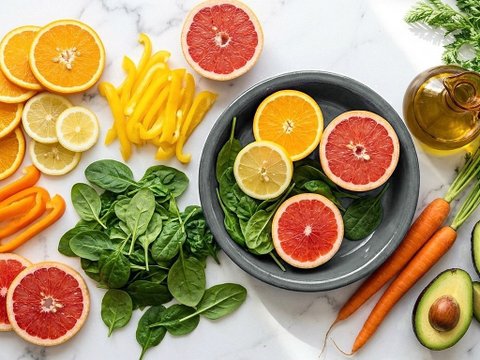
Bioactive compounds are found in practically every food group. Fruits and vegetables are a particularly rich source of antioxidants. For this reason, it is recommended to consume at least five servings of raw vegetables or fruits per day, as they are rich in these important nutrients and allow consumers to protect themselves from a range of diseases and thus maintain health for years. It is worth remembering that their antioxidant activity depends on the degree of ripeness and post-harvest storage. Proper storage of raw materials and preventing spoilage is extremely important. Similarly, less ripe fruits are usually richer in active compounds than fully ripe ones. Analyzing different types of fruit, it can be observed that aronia and blueberry fruits are characterized by the highest concentration of polyols and high antioxidant activity. In the former, the content of antioxidants reaches levels of up to 10–70mg/g of dry body weight, of which up to 50% are anthocyanins. However, the amount of antioxidants in bilberry is about 30 mg/g of dry matter. Additionally, apples, cherries, strawberries, blackberries, rose hips, and black elderberries are rich in these beneficial compounds. Vegetables, on the other hand, have a lower antioxidant capacity, but are still rich when compared with other products. Among them, garlic, kale, spinach, broccoli, beets, cabbage, and Brussels sprouts can undoubtedly be mentioned. Additionally, red onion or shallots are recommended, as is tomato, which is extremely rich in lycopene with a weak, but noticeable antioxidant effect. Spices are also characterized by a high content of these active compounds, among which cinnamon, turmeric, cocoa, cumin, parsley (leaf), or basil, as well as chili, marjoram, or thyme, can be effective. These products contain a fairly concentrated amount of compounds in a small volume, so adding 3–4 teaspoons of nettle to the dish will significantly improve its nutritional quality. Interestingly, red wine, green tea, and even black tea are also quite rich sources of antioxidants. However, we must remember that in the case of wine, it must be dry, not sweet, because as the sweetness increases, the amount of antioxidants decreases. Of course, numerous superfoods such as: chia seeds, goji berries, or acai provide many substances with the described characteristics.
Want to apply these guidelines in your daily diet?
Our smart diet generator creates a tailored meal plan in 3 minutes based on the recommendations in this article.