Anti-inflammatory plants – species and effectiveness of their action
Table of Contents 12
Medical & Editorial Disclaimer (§3 Terms): This article is for informational and educational purposes only, does not constitute medical advice, diagnosis, or treatment, and is used at your own risk. Consult a qualified physician for medical conditions.
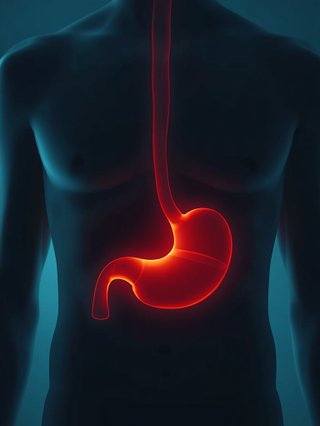
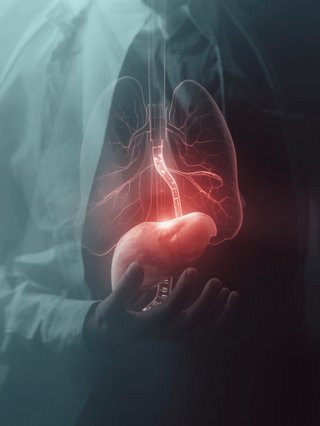
The physiological benefits of these plants stem from a diverse array of bioactive compounds, including essential oils, mucilage, and bitter principles. Herbal species such as peppermint, sage, and plantain work synergistically to soothe irritated mucous membranes, liquefy bronchial secretions, and form a protective barrier along the gastrointestinal tract. Furthermore, compounds found in garlic, onion, yarrow, and burdock enhance microcirculation, facilitate the elimination of metabolic byproducts, and display natural antimicrobial activity that aids in dermatological and systemic recovery.
To integrate these herbal remedies into daily self-care, individuals can utilize targeted infusions, steam inhalations, or topical applications at the earliest signs of discomfort. Plants like lavender and calendula serve as practical options for easing digestive cramps, supporting skin integrity, and promoting overall vitality. Embracing plant-based therapies fosters long-term wellness, though complex or persistent health conditions should always be evaluated alongside qualified healthcare professionals.
The Lancet Grandmother
You're a medical practitioner
Onions
Peppermint
Greater Burdock - a natural detoxifying herb
Garlic
The bloodthirsty one
Common woundwort
Romanians of the community
Therapeutic lavender
Doctors' Advice: Uses and Benefits
Sage: Nature's Remedy
Want to apply these guidelines in your daily diet?
Our smart diet generator creates a tailored meal plan in 3 minutes based on the recommendations in this article.

mgr Max Müller
• 25.09.2026Diets Premium Expert
Diets Premium team expert. Specializes in nutrition plans, strength sports, and training plans.