PRO
8 min read
Anemia – Symptoms, Treatment, Diet

1 photo
490
Smart Voice
AI
0:00
0:00
Listen to the article content live
Table of Contents 8
PRO Content
PRO
This article is professional premium content (PRO) provided in its entirety.
Anemia is increasingly being recognized as a health condition. Factors such as our eating habits, stress, fast food, and lack of physical activity can lead to irregularities in the body, one of which is anemia. Currently, it is estimated that about one quarter of the population has a lower hemoglobin level. Women are significantly more likely to be affected by this condition than men. How can the symptoms be identified and the disease be treated? What exactly is anemia? Find out what changes in your lifestyle can help prevent this disease. Is it one disease or possibly a group of diseases?
01 / 08
Understanding anemia: A comprehensive examination of its definition, etiologies, and oxygen-transport dysfunction
Anemia represents a clinical hematological disorder characterized by hemoglobin concentrations falling below the established reference ranges—values that are uniquely calibrated according to age demographics, biological sex, and physiological conditions (such as pregnancy or sustained high-altitude exposure). This deficiency compromises the oxygen-carrying capacity of erythrocytes, thereby impairing the systemic delivery of O₂ from the pulmonary alveoli to peripheral tissues. The resultant tissue hypoxia triggers a cascade of metabolic dysregulations, manifesting as cellular energy deficits and disrupted oxidative phosphorylation pathways throughout the organism.
02 / 08
A diagnosis of anemia
Anemia is fundamentally diagnosed based on hemoglobin concentration in peripheral blood, evaluated via a routine complete blood count (CBC). Hemoglobin is the primary iron-containing protein in red blood cells responsible for oxygen delivery to tissues, and a decline below physiological thresholds denotes anemia.
Diagnostic hemoglobin thresholds for anemia (according to WHO guidelines):
– Children aged 6 months to 5 years: < 11.0 g/dL (6.8 mmol/L);
– Children aged 5 to 12 years: < 11.5 g/dL (7.1 mmol/L);
– Adolescents aged 12 to 15 years: < 12.0 g/dL (7.4 mmol/L);
– Pregnant women: < 11.0 g/dL (6.8 mmol/L);
– Non-pregnant women: < 12.0 g/dL (7.4 mmol/L);
– Adult men: < 13.5–14.0 g/dL (8.4–8.7 mmol/L).
Hemoglobin levels also establish clinical severity stratification:
– Mild anemia: 10.0–12.0 g/dL in women, 10.0–13.5 g/dL in men;
– Moderate anemia: 8.0–9.9 g/dL;
– Severe anemia: 6.5–7.9 g/dL;
– Life-threatening anemia: < 6.5 g/dL.
CBC parameters additionally evaluate mean corpuscular volume (MCV), differentiating three principal morphological subtypes:
– Microcytic anemia (MCV < 80 fL): predominantly secondary to iron deficiency, lead toxicity, or thalassemia;
– Normocytic anemia (MCV 80–100 fL): commonly associated with anemia of chronic disease, acute blood loss, or hemolysis;
– Macrocytic anemia (MCV > 100 fL): primarily driven by vitamin B12 or folate deficiency.
Essential complementary tests include serum ferritin, iron, transferrin, total iron-binding capacity (TIBC), vitamin B12, folate, peripheral blood smear, and reticulocyte count. Highest clinical vulnerability is observed in young children, women of reproductive age, pregnant women, and elderly individuals.
03 / 08
Manifestations and indicators of anemia: identifying blood deficiency across varying degrees of severity
The manner in which anemia presents is closely tied to the depth of the hematological disturbance—lower hemoglobin concentrations correlate with more pronounced and debilitating symptoms. Mild cases frequently remain asymptomatic, exhibiting no overt clinical markers, whereas a decline in hemoglobin levels below the 9 grams per deciliter threshold typically triggers a constellation of nonspecific systemic manifestations. Among the most prevalent are: persistent physical and mental exhaustion, excessive daytime somnolence, impaired cognitive focus and attention span, recurrent headaches of varying intensity, dyspnea even with minimal exertion, accelerated heart rate (tachycardia), diminished endurance during physical activity, anorexia, and visible pallor of the skin, oral mucosal membranes, and nail beds. In school-aged children, anemia may manifest as declining academic performance due to disrupted cognitive processing. In cases of iron-deficiency anemia, the clinical presentation is supplemented by distinctive features: inflammation of the lingual papillae (glossitis), fissures and ulcerations at the corners of the mouth (angular cheilitis), heightened nail fragility and splitting, as well as atypical cravings for non-nutritive substances such as ice, dirt, or starch (a condition known as pica). Conversely, hemolytic anemia is often associated with chronic, recurrent ulcerations predominantly located on the lower extremities, which exhibit poor healing tendencies.
04 / 08
The etiologic foundations of anemia: pathophysiologic mechanisms, risk determinants, and causative pathways in hematologic disorders
Anemia constitutes a heterogeneous category of hematologic disorders unified by a reduction in peripheral blood hemoglobin concentration below population-specific reference thresholds. This condition arises from a multifaceted array of etiologic contributors, spanning genetic predispositions, nutritional deficiencies, environmental exposures, and comorbid pathologies. The most prevalent causative factors involve deficiencies in critical micronutrients—particularly iron, folic acid, and vitamin B12—whose absence disrupts erythropoietic processes. Accurate differential diagnosis necessitates a comprehensive assessment of predisposing elements, including elevated metabolic demand (e.g., during pregnancy, lactation, or rapid growth phases), malabsorptive conditions (celiac disease, postsurgical states), chronic blood loss (menstruation, gastrointestinal hemorrhage), and pharmacologic or toxic insults (alcohol consumption, cytotoxic chemotherapy).
05 / 08
The classification of anemia
There are several methods for classifying anemia based on different aspects of the disease pathogenesis, erythrocytes size and clinical course. The first method of classification is based on pathogensis, i.e. the mechanism of disease. Low haemoglobin levels may be caused by impaired production of erythrocyte in the bone marrow (acute anemia, bone-marrow disease, lead poisoning), excessive blood loss (wrinkle, hemorrhoids, childbirth, menstruation) or breakdown of blood (transplants, cancers, drugs, toxins). The second method is based upon measurements of the average volume of red blood cells (VMCs).
06 / 08
Health and hormonal consequences of chronic anemia and its systemic impact across different life stages
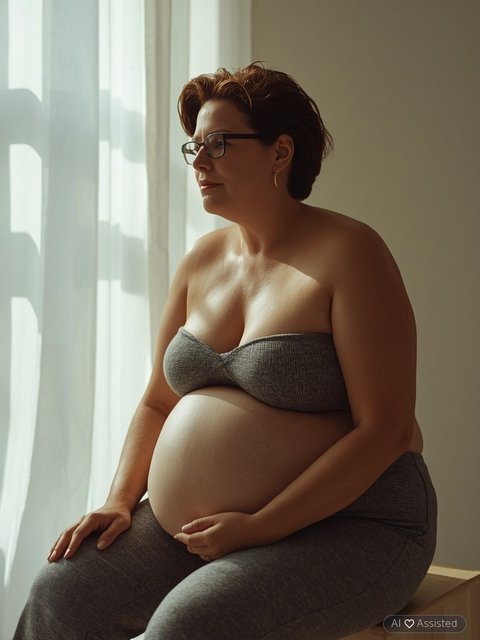
Prolonged anemia exerts a profound influence on the body’s hormonal balance, triggering a cascade of endocrinological disturbances. In male patients suffering from this condition, a marked reduction in circulating bioavailable testosterone is observed, concurrently accompanied by elevated levels of luteinizing hormone (LH) and follicle-stimulating hormone (FSH). Conversely, in women with anemia, the characteristic pre-ovulatory surge in LH and estradiol—critical for follicular maturation and ovulation—fails to occur, potentially disrupting menstrual cyclicity and fertility. Regardless of sex, individuals with anemia exhibit heightened prolactin concentrations, a hormone with multifaceted physiological roles. The sustained hemoglobin deficit also shifts metabolic priorities toward catabolic dominance over anabolic processes, culminating in progressive muscle mass depletion and systemic debilitation. Furthermore, affected individuals frequently develop metabolic derangements, including insulin resistance, hyperlipidemia (elevated blood lipid profiles), and hypokalemia (diminished potassium levels). The repercussions of anemia are particularly severe in pregnant women, where the condition may precipitate preterm labor, elevate perinatal mortality risks, and complicate postpartum recovery—manifesting as impaired healing of perineal lacerations or cesarean section incisions. Additionally, anemia may adversely affect lactation, hindering the ability to breastfeed newborns effectively.
07 / 08
Nutritional guidelines for iron-deficiency anemia and other essential nutrient deficiencies
This article provides a comprehensive overview of dietary strategies for managing anemia caused by iron, folate, or vitamin B12 deficiencies. It presents a detailed catalog of iron-rich foods, distinguishing between heme iron (animal-derived, with 15–20% absorption) and non-heme iron (plant-based, with 1–10% bioavailability), while addressing factors that either inhibit (e.g., phytates in whole grains, oxalates in spinach, tannins in tea/coffee) or enhance absorption (ascorbic acid, lactic acid, sulfur-containing amino acids). The text emphasizes the critical role of gastric acid pH in iron uptake and the synergistic effect of vitamin C when consumed alongside iron sources. Additionally, it identifies folate- and cobalamin-rich (B12) foods, with guidance on storage and cooking techniques to preserve nutrient integrity. The discussion underscores the necessity of tailoring dietary interventions to the specific etiology of anemia for optimal therapeutic outcomes.
08 / 08
Evidence-based strategies for the effective prevention of anemia – a comprehensive health guide
The cornerstone of effective anemia prevention lies in adhering to a meticulously balanced dietary pattern that supplies the body with all essential micro- and macronutrients required to sustain optimal physiological function. Daily intake should include a minimum of five servings of diverse vegetables and fruits—where a single serving corresponds to the volume that fits within a cupped hand—preferably consumed in their raw, unprocessed state to preserve maximal nutritional integrity. Of paramount importance is the consistent consumption of high-quality protein sources, such as lean meats, marine and freshwater fish, poultry or quail eggs, and leguminous plants—including lentils, chickpeas, and beans—which are abundant in both heme and non-heme iron, folate compounds, and cobalamin (vitamin B12). It is critical to note that excessive intake of tannin-rich beverages, such as black tea or coffee, particularly during or immediately after meals, can substantially impair iron absorption; thus, their consumption should be moderated or strategically timed throughout the day. Women of reproductive age must pay close attention to the volume and regularity of menstrual bleeding, as excessive blood loss represents a primary risk factor for iron deficiency; any concerning symptoms should be promptly discussed with a gynecologist or hematologist. Routine monitoring of blood parameters—at least once every three months—facilitates the early detection of potential abnormalities, including reduced hemoglobin levels, mean corpuscular volume (MCV), or ferritin concentrations, thereby enabling the timely implementation of appropriate therapeutic or dietary interventions. Additionally, the role of regular moderate-intensity physical activity must not be overlooked; dedicating 30 to 45 minutes daily to activities such as brisk walking, cycling, or swimming enhances tissue oxygenation, optimizes oxygen transport efficiency, and stimulates bone marrow to produce new erythrocytes, all of which constitute vital components of anemia prevention.
Meal Plan
Want to apply these guidelines in your daily diet?
Our smart diet generator creates a tailored meal plan in 3 minutes based on the recommendations in this article.

Scientifically reviewed by a clinical dietitian
• 25.09.2026
Chełstowska M., Warzocha K., Objawy kliniczne i zmiany laboratoryjne w diagnostyce różnicowej niedokrwistości, „Onkologia w Praktyce Klinicznej” 2016, 2(3), 105–116. Gawęcki J., Żywienie człowieka. Podstawy nauki o żywieniu, Warszawa 2010, 245, 297. Grochal M. et al., Niedokrwistość ciężarnych – wpływ na przebieg ciąży i wyniki porodu, „Perinatologia, Neonatologia i Ginekologia” 2014, 7(1), 37–41. Grzymisławski M., Gawęcki J., Żywienie człowieka zdrowego i chorego, Warszawa 2010, 155. Hellmann A., Mital A., Niedokrwistości niedoborowe – diagnostyka i leczenie, „Przewodnik Lekarza” 2001, 4(7), 88–97. Jackowska T., Wójtowicz J., Niedokrwistość chorób przewlekłych, „Postępy Nauk Medycznych” 2014, 27(10B), 33–36. Jarosz M., Praktyczny podręcznik dietetyki, Warszawa 2010, 367–375. Jarosz M., Normy żywienia dla populacji polskiej – nowelizacja, Warszawa 2012. Lipiński P., Niedokrwistość na tle niedoboru żelaza w diecie, „Kosmos. Problemy Nauk Biologicznych” 2014, 63(3), 373–379. Global anaemia prevalence and number of individuals affected, who.int (30.10.2017).
Diets Premium Expert
Diets Premium team expert. Specializes in nutrition plans, strength sports, and training plans.
USDA FoodData Central
EFSA
PubMed Clinical Guidelines