Anaemia: Pathophysiology, Differential Diagnosis, and Evidence-Based Nutritional Protocols

Smart Voice
AITable of Contents 3
Classification and Pathophysiology of Anaemia: Ferritin, MCV, and Deficiency States
Anaemia is defined clinically as a decrease in circulating hemoglobin (Hb) concentration, hematocrit (Ht), and red blood cell count (RBC) beneath age- and sex-adjusted physiological thresholds (WHO criteria: Hb < 12.0 g/dL in non-pregnant females; Hb < 13.0 g/dL in adult males).
Laboratory classification relies primarily on Mean Corpuscular Volume (MCV):
- Microcytic Anaemia (MCV < 80 fL): The most prevalent presentation, universally dominated by iron deficiency anaemia (IDA). Pathogenesis involves chronic blood loss (menorrhagia, occult gastrointestinal bleeding), impaired enterocyte absorption (celiac disease, bariatric surgery), or inadequate dietary iron density. A critical diagnostic indicator of exhausted iron stores prior to overt anaemia is depressed serum ferritin (<30 ng/mL).
- Macrocytic / Megaloblastic Anaemia (MCV > 100 fL): Provoked by impaired erythroblast DNA replication, predominantly stemming from severe cobalamin (vitamin B12) or folate (vitamin B9) deficiencies, as well as chronic alcohol excess.
- Normocytic Anaemia (MCV 80–100 fL): Frequently manifests as Anaemia of Chronic Disease (ACD), where systemic inflammatory cytokines upregulate hepatic hepcidin synthesis, effectively trapping functional iron inside reticuloendothelial macrophages.
Iron Bioavailability: Heme vs Non-Heme Iron, Absorption Enhancers, and Inhibitors
Dietary iron quantity does not equate to cellular absorption. Dietary iron exists in two distinct biochemical forms exhibiting drastically divergent bioavailability:
- Heme Iron (Fe²⁺): Found exclusively in animal tissues (organ meats, lean red meat, poultry, shellfish). Absorbed intact via the heme transporter at rates of 15–35%, largely impervious to luminal dietary inhibitors.
- Non-Heme Iron (Fe³⁺): Derived from plant matrices (legumes, pumpkin seeds, tahini, dark leafy greens, whole grains). Exhibits poor baseline bioavailability (2–10%) and is profoundly influenced by co-ingested luminal compounds.
Potent Absorption Enhancers: Ascorbic acid (vitamin C) reduces ferric Fe³⁺ to the soluble ferrous Fe²⁺ form, upregulating enterocyte transport via DMT-1 up to fourfold. Naturally occurring fruit acids (citrate, malate) and the peptide-based 'meat factor' exert complementary synergistic enhancement.
Prominent Dietary Inhibitors:
- Polyphenols and Tannins: Polyphenolic catechins and tannins in black tea, green tea, and coffee chelate iron into unabsorbable complexes, reducing absorption by 60–80%. Always space tea and coffee at least 60–90 minutes away from iron-rich meals.
- Phytic Acid (Phytates): Found in unfermented grain brans and raw legumes (mitigated via soaking, sourdough fermentation, and sprouting).
- Excess Calcium Ions: High calcium doses competitively inhibit the divalent metal transporter DMT-1. Avoid high-dose dairy pairings with therapeutic iron meals.
Practical Nutritional Protocol: High-Yield Iron Foods and Clinical Meal Assembly
Clinical nutritional rehabilitation in iron deficiency demands calculated meal formulation combining dense iron substrates with synergistic micronutrients (vitamin B12, folate, copper, and pyridoxine):
- Top Animal-Based Iron Sources: Calf and poultry liver, pasture-raised lean beef, dark poultry meat, egg yolks, and wild Atlantic sardines.
- Plant-Based Iron Powerhouses: Raw pumpkin seeds (>10 mg Fe/100 g), hulled sesame seeds (tahini), green and brown lentils, chickpeas, unsweetened dark cocoa, and fresh parsley.
- Synergistic Meal Pairings:
- Slow-cooked beef stew paired with bell peppers and sauerkraut (vitamin C accelerates enterocyte transport).
- Morning porridge enriched with pumpkin seeds and blackcurrant or strawberry purée.
- Red lentil dahl seasoned with freshly squeezed lemon juice and a generous handful of parsley.
Clinical Supplementation Strategy: Severe iron-deficiency anaemia routinely necessitates pharmacological oral iron supplementation. Alternate-day morning dosing alongside ascorbic acid maximizes intestinal fractional absorption by preventing hepcidin peaks, while minimizing gastrointestinal side effects. Monitoring serum ferritin every 6–8 weeks validates recovery trajectory.
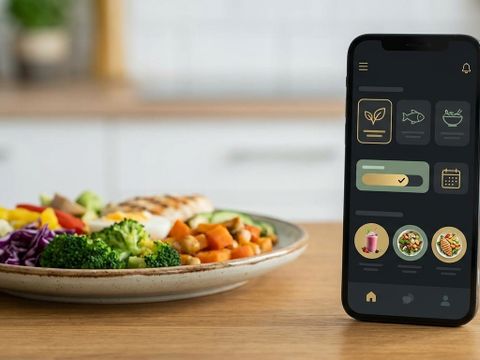
Want to apply these guidelines in your daily diet?
Our smart diet generator creates a tailored meal plan in 3 minutes based on the recommendations in this article.
Tags

witaminy B12. Niestety w roślinach nie znajdziemy tej cennej substancji. Weganie mogą sięgać jedynie po produkty wzbogacane o tę witaminę, bądź wzbogacić swoją dietę o chlorellę . To dość mało znany produkt na polskim rynku. Jak się okazuje zawiera więcej witaminy B12 niż wątroba wołowa! Stanowi więc rozwiązanie problemów dla wegetarian i wegan. Wśród produktów, na które warto zwrócić uwagę chcąc uniknąć anemii znajduje się także Spirullina . Są to algi morskie, które w Polsce można zakupić w postaci zielonego proszku. Zawiera w sobie zarówno witaminę b12, jak i żelazo. Z bardziej lokalnych produktów warto zaopatrzyć się z botwinkę . To niepozorne warzywo również jest bogatym źródłem żelaza i wielu innych cennych substancji, a w dodatku to świetna podstawa dla pysznej zupy. Ostatnio dość popularna stała się czarnuszka . Po nią również powinny sięgnąć osoby, którym w większym stopniu grozi niedokrwistość. Posiada wiele leczniczych właściwości, dlatego nie szkodzi, aby mieć ją zawsze pod ręką. Można ją spotkać w postaci suszonej przyprawy bądź płynnego olejku. Anemia nie jest wyrokiem. Prowadząc zdrowy styl życia i zapewniając sobie zbilansowaną dietę na pewno jej unikniemy. Nie bagatelizuj więc jej objawów i zadbaj o odpowiednią ilość żelaza i witaminy B12 w swojej diecie!
Diets Premium Expert
Diets Premium team expert. Specializes in nutrition plans, strength sports, and training plans.