AMH Hormone – Primary Indicator in Diagnosing Infertility

1 photo
520
Smart Voice
AI
0:00
0:00
Listen to the article content live
Table of Contents 14
PRO Content
PRO
This article is professional premium content (PRO) provided in its entirety.
The issue of infertility is increasingly impacting couples around the globe. Lifestyle modifications, later family planning, environmental factors, and an aging population are leading to a rise in instances of fertility issues. In this context, the ovarian reserve, or the ability of the ovaries to produce healthy, mature ovarian cells, is becoming extremely significant and serves as a primary marker of a woman's reproductive capacity. Therefore, understanding the factors influencing its level and observing changes in this reserve is crucial for women intending to have offspring and fertility specialists.
01 / 14
AMH hormone – assessment of ovarian reserve
Antimüllerian hormone (AMH) is a glycoprotein synthesized by the granulosa cells of the ovaries, playing a crucial role in regulating follicular maturation and sex determination during fetal development. In adult women, AMH levels serve as a valuable indicator of ovarian reserve, allowing for the assessment of the quantity and quality of available oocytes. The concentration of AMH in a woman's body is closely linked to her fertility, with its relatively stable levels throughout the menstrual cycle providing a reliable marker of reproductive potential. Low AMH values may indicate a diminished ovarian reserve, which is particularly relevant for women planning pregnancy at a later stage or experiencing conception difficulties. Monitoring AMH levels is therefore essential for family planning and the diagnosis and treatment of infertility. Higher AMH levels typically suggest a greater ovarian reserve, potentially indicating more flexibility in pregnancy planning and better responses to assisted reproductive technologies, such as in vitro fertilization (IVF). A low AMH level may prompt women to consider their reproductive options earlier, including egg freezing or exploring alternative reproductive strategies (L. Shrikhande, B. Shrikhande, A. Shrikhande, 2020).
02 / 14
Determinants of Anti-Müllerian Hormone levels
The concentration of Anti-Müllerian Hormone (AMH) is influenced by a multitude of factors, both genetic and environmental. A woman's age is a pivotal factor, as AMH levels naturally decline with age, reflecting a gradual reduction in both the quantity and quality of oocytes in the ovaries. Genetic determinants significantly impact the initial ovarian reserve and the rate at which oocytes are depleted. Environmental factors, including exposure to toxic substances, can accelerate the decline in AMH levels. Additionally, lifestyle factors such as diet and physical activity can affect hormonal balance, indirectly influencing AMH production. Research indicates that certain conditions, such as Polycystic Ovary Syndrome (PCOS), may result in elevated AMH levels due to an increased number of ovarian follicles that fail to mature properly. Conversely, autoimmune diseases affecting ovarian function can contribute to lowered AMH concentrations (A. K. Singh, R. Singh, 2015).
03 / 14
Measurement of AMH levels
AMH level assessment is increasingly utilized to evaluate ovarian reserve in infertility diagnosis and treatment planning. It is particularly recommended for women considering late motherhood or experiencing conception difficulties. The test is also beneficial for patients prior to procedures that may impact ovarian function, such as chemotherapy or radiation therapy, and in diagnosing conditions like polycystic ovary syndrome (PCOS). The procedure involves blood sample analysis, making it a non-invasive and relatively quick method. Its key advantage is the ability to perform it on any day of the menstrual cycle, as AMH levels remain stable, unlike other sex hormones. This makes AMH testing a convenient tool for assessing reproductive potential without requiring precise scheduling (M. I. Cedars 2022).
04 / 14
Anti-Müllerian Hormone (AMH) Reference Ranges
Anti-Müllerian hormone levels exhibit age-dependent variations that mirror the physiological transformations occurring in the ovaries. During early adulthood, AMH concentrations are relatively elevated, but they progressively decline over time, serving as a reliable marker of impending menopause.
05 / 14
Elevated Anti-Müllerian Hormone (AMH) levels above 3 ng/ml
Standard reference ranges are:. Such results may suggest an above-average ovarian reserve. They are frequently observed in women with polycystic ovary syndrome (PCOS) when the count of non-ovulating follicles is substantially higher than the population average.
06 / 14
Standard range of anti-Müllerian hormone (1–3 ng/ml)
Results within this range suggest an age-appropriate ovarian reserve, enhancing the likelihood of spontaneous pregnancy.
07 / 14
Decreased anti-Müllerian hormone levels (0.31 ng/ml)
AMH levels within this range indicate a diminishing quantity of oocytes in the ovaries, potentially complicating conception for women attempting to conceive.
08 / 14
Extremely low AMH levels (below 0.3 ng/ml)
AMH levels below 0.3 ng/ml may indicate a significantly reduced ovarian reserve, complicating infertility treatment and necessitating a personalized medical approach. Each of these parameters provides crucial insights into a woman's fertility and serves as an essential tool in family planning and managing infertility challenges. Interpretation of AMH levels should always be conducted under specialist supervision, considering all factors affecting the patient's reproductive health (R. Tal, D. B. Seifer 2017).
09 / 14
Approaches to naturally support ovarian reserve
Natural approaches to enhancing ovarian reserve primarily aim to bolster overall health and optimize ovarian function. While the number of egg cells a woman has is fixed from birth, certain lifestyle modifications can significantly improve egg quality, which plays a crucial role in reproductive health.
10 / 14
Balanced nutrition for reproductive health
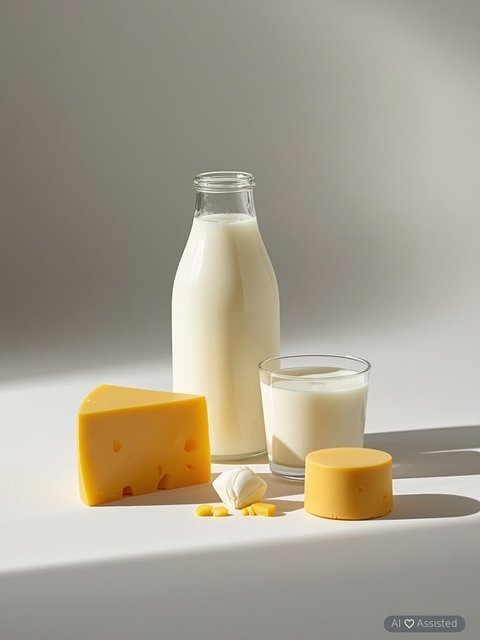
Scientific research confirms that a well-balanced diet can significantly enhance ovarian function in women with low AMH levels. Dairy products, rich in protein and calcium, are vital for hormonal balance and fertility (N. Moslehi et al. 2019). Folate-rich foods, including leafy greens, legumes, and eggs, play a crucial role in the development of egg cells (M. Kadir et al. 2022). Omega-3 fatty acids found in fatty marine fish improve the body's sensitivity to estrogen and the quality of egg cells (R. KaboodMehri et al. 2021). Antioxidants such as vitamins C, E, selenium, and zinc protect cells from oxidative damage, positively impacting reproductive health (R. M. Smits et al. 2018). Therefore, a diet rich in unprocessed, natural foods, particularly vegetables and fruits, can help safeguard the ovaries from the harmful effects of oxidative stress.
11 / 14
Dietary supplementation
Research findings indicate that dietary supplements may enhance egg quality by mitigating oxidative stress. The authors reached the following conclusions: – Daily intake of 600 mg of coenzyme Q10 over a three-month period may improve egg quality in women with low anti-Müllerian hormone levels (Li Ma et al. 2022), – Daily supplementation with 4000 IU of vitamin D over six months may elevate AMH levels and overall egg quality (I. Moridi et al. 2020), – Daily consumption of 1000 mg of omega-3 fatty acids (EPA and DHA) contributes to better egg quality and an increased ovarian reserve (R. KaboodMehri et al. 2021), – Supplementation with antioxidants such as vitamin C (500 mg daily), vitamin E (400 IU daily), and resveratrol (150 mg daily) effectively reduces oxidative stress and enhances egg quality (V. Calcaterra et al. 2021). Additionally, folic acid, at a recommended daily dose of 400 µg, plays a crucial role in reproductive health by supporting DNA synthesis and proper cell division. Maintaining adequate folic acid levels is vital for preserving the integrity of egg cells (K. Liao et al. 2022).
12 / 14
Managing stress
Prolonged stress may disrupt hormonal equilibrium. Stress mitigation strategies, including yoga, meditation, and mindfulness practices, can promote reproductive wellness. Seeking guidance from a professional, such as a psychologist or psychotherapist, is advisable if daily stress levels become unmanageable independently (Y. Z. Dong et al., 2017).
13 / 14
Physical exercise
Scheduled physical exercise may enhance blood circulation and hormonal equilibrium. Engaging in moderate exercise while avoiding excessive exertion, which might disrupt the menstrual cycle, is advised (D. Kiranmayee et al., 2017).
14 / 14
Sustaining a healthy body weight
Both excess weight and being underweight can disrupt hormonal balance and ovarian function. Maintaining a healthy weight through balanced nutrition and consistent exercise is essential for preserving fertility (J. Kloos, K. Coyne, R. Weinerman 2022). Lifestyle factors have the greatest impact on AMH hormone levels. Particularly harmful habits include both excessive and insufficient body weight, poor diet, physical inactivity, as well as alcohol consumption and smoking. Therefore, even minor adjustments to daily routines can improve ovarian reserve and enhance the likelihood of conception.
Meal Plan
Want to apply these guidelines in your daily diet?
Our smart diet generator creates a tailored meal plan in 3 minutes based on the recommendations in this article.

Scientifically reviewed by a clinical dietitian
• 25.09.2026
mgr Calcaterra V. et al., Polycystic Ovary Syndrome in Insulin-Resistant Adolescents with Obesity: The Role of Nutrition Therapy and Food Supplements as a Strategy to Protect Fertility, „Nutrients” 2021, 13(6), 1848. Cedars M.I., Evaluation of Female Fertility-AMH and Ovarian Reserve Testing, „The Journal of Clinical Endocrinology & Metabolism” 2022, 107(6), 1510–1519. Dong Y.Z., Zhou F.J., Sun Y.P., Psychological stress is related to a decrease of serum anti-müllerian hormone level in infertile women, „Reproductive Biology and Endocrinology” 2017, 15(1), 51. KaboodMehri R. et al., The association between the levels of anti-Müllerian hormone (AMH) and dietary intake in Iranian women, „Archives of Gynecology and Obstetrics” 2021, 304(3), 687–694. Kadir M. et al., Folate intake and ovarian reserve among women attending a fertility center, „Fertility and Sterility” 2022, 117(1), 171–180. Kiranmayee D. et al., The Effect of Moderate Physical Activity on Ovarian Reserve Markers in Reproductive Age Women Below and Above 30 Years, „Journal of Human Reproductive Sciences” 2017, 10(1), 44–48. Kloos J., Coyne K., Weinerman R., The relationship between anti-Müllerian hormone, body mass index and weight loss: A review of the literature, „Clinical Obesity” 2022, 12(6), e12559. Liao K. et al., Effect of folic acid supplementation on diminished ovarian reserve: study protocol of a single-centre, open-label, randomised, placebo-controlled clinical trial, „BMJ Open” 2022, 12(7), e057689. Ma L. et al., Association of Coenzyme Q10 with Premature Ovarian Insufficiency, „Reproductive Sciences” 2023, 30(5), 1548–1554. Moslehi N. et al., Do dietary intakes influence the rate of decline in anti-Mullerian hormone among eumenorrheic women? A population-based prospective investigation, „Nutrition Journal” 2019, 18(1), 83. Shrikhande L., Shrikhande B., Shrikhande A., AMH and Its Clinical Implications, „The Journal of Obstetrics and Gynecology of India” 2020, 70(5), 337–341. Singh A.K., Singh R., Can anti-Mullerian hormone replace ultrasonographic evaluation in polycystic ovary syndrome? A review of current progress, „Indian Journal of Endocrinology and Metabolism” 2015, 19(6), 731–743. Smits R.M. et al., Antioxidants in fertility: impact on male and female reproductive outcomes, „Fertility and Sterility” 2018, 110(4), 578–580. Tal R., Seifer D.B., Ovarian reserve testing: a user's guide, „American Journal of Obstetrics & Gynecology” 2017, 217(2), 129–140.
Diets Premium Expert
Diets Premium team expert. Specializes in nutrition plans, strength sports, and training plans.
USDA FoodData Central
EFSA
PubMed Clinical Guidelines