Alpha-Lipoic Acid: Available Formulations, Adverse Effects, Dosage, and Market Analysis
Smart Voice
AITable of Contents 4
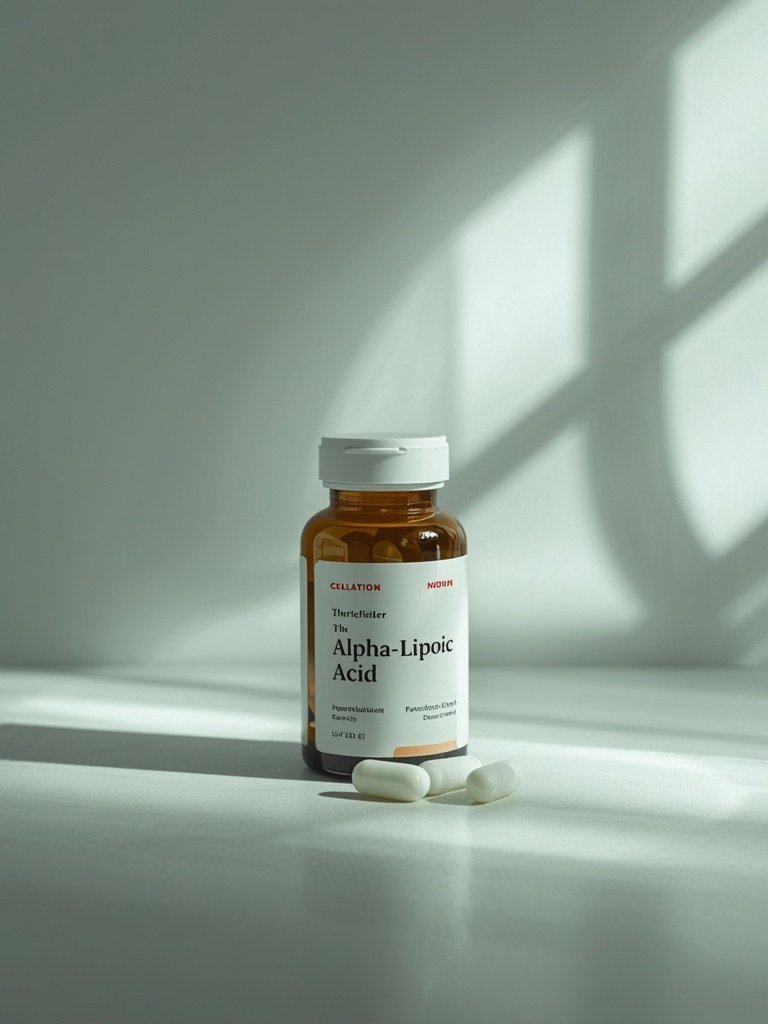
Alpha-lipoic acid (thioctic acid, ALA) plays a pivotal role in cellular bioenergetics and serves as an established adjunctive therapeutic agent in metabolic disorders, including type 2 diabetes mellitus, insulin resistance, and diabetic polyneuropathy. Functioning as a unique amphiphilic antioxidant, it protects both lipid membranes and aqueous intracellular compartments. This comprehensive guide reviews clinical efficacy, safety profiles, contraindications, pharmaceutical formulations, and market availability.
Biochemical Properties and Therapeutic Mechanisms
Alpha-lipoic acid (R-ALA) is an organosulfur carboxylic acid serving as an essential catalytic cofactor in mitochondrial multienzyme complexes, notably pyruvate dehydrogenase. While endogenously synthesized in trace quantities, therapeutic outcomes require targeted supplementation:
- Antioxidant Network Recycling: ALA and its active reduced metabolite, dihydrolipoic acid (DHLA), directly scavenge reactive oxygen species (ROS) while enzymatically regenerating endogenous glutathione, vitamin C, and alpha-tocopherol.
- Glucose Homeostasis: Via AMP-activated protein kinase (AMPK) activation, ALA stimulates the translocation of glucose transporter 4 (GLUT4) to plasma membranes, markedly enhancing peripheral insulin sensitivity.
- Endothelial Function: It amplifies endothelial nitric oxide synthase (eNOS) activity, promoting vasodilation and optimizing endoneurial microcirculation in ischemic and diabetic pathologies.
Safety Profile, Drug Interactions, and Adverse Effects
Alpha-lipoic acid demonstrates a favorable safety profile across clinical evaluations. Nonetheless, clinicians and patients must manage critical drug interactions and tolerability factors:
- Gastrointestinal Tolerance: High oral boluses may induce transient nausea, dyspepsia, or epigastric discomfort, which resolve with appropriate fluid co-ingestion or dosage titration.
- Hypoglycemia Considerations: Because ALA enhances insulin-mediated cellular glucose uptake, co-administration with oral hypoglycemic agents or exogenous insulin requires vigilant glucose monitoring to prevent hypoglycemic episodes.
- Mineral Chelation: As a potent transition metal chelator, ALA should be administered at least 2 to 3 hours apart from essential mineral supplements, including iron, zinc, magnesium, and calcium.
- Contraindications: Pregnant or lactating women and individuals with severe thiamine (vitamin B1) deficiency must avoid unmonitored intake due to altered metabolic pathway reliance.
Pharmaceutical Formulations: R-ALA vs Racemic Mixtures and Bioavailability
Substantial discrepancies in bioavailability and pharmacokinetics distinguish the commercial forms of lipoic acid:
- Racemic Mixture (RS-ALA): Conventional dietary supplements typically contain an equimolar blend of natural R-(+) and synthetic S-(-) enantiomers. S-ALA exhibits inferior pharmacokinetic absorption and lacks significant endogenous cofactor utility.
- Stabilized R-ALA (Na-R-ALA): Providing exclusively the biologically active chiral form, stabilized sodium R-lipoate demonstrates superior heat stability, resistance to polymerization, and up to two- to four-fold higher systemic bioavailability.
- Dosage Titration: Commercial capsules typically range from 200 mg to 600 mg. Preventative antioxidant support utilizes 200–300 mg daily, whereas clinical polyneuropathy protocols mandate 600 mg administered strictly on an empty stomach.
Market Analysis, Quality Metrics, and Pricing Architecture
The economic considerations of alpha-lipoic acid supplementation correlate directly with enantiomeric purity, manufacturing standards, and regulatory licensing:
- Synthetic Racemic Formulations: Standard 60- to 90-capsule containers (600 mg per unit) generally retail between £12 and £22 (€15–€25 / ~50–85 PLN), representing an accessible entry-level option.
- Stabilized R-ALA Formulations: High-potency sodium R-lipoate supplements (60 capsules of 200–300 mg) range from £25 to £42 (€30–€50 / ~110–190 PLN). The superior pharmacokinetic efficiency frequently offsets the higher unit pricing.
- Pharmaceutical Grade Preparations: Licensed medicinal thioctic acid products sold via pharmacies guarantee stringent GMP certification and dissolution assays, costing £28 to £45 per monthly course for clinical neuropathic regimens.
Want to apply these guidelines in your daily diet?
Our smart diet generator creates a tailored meal plan in 3 minutes based on the recommendations in this article.
Tags

Literatura:
Diets Premium Expert
Diets Premium team expert. Specializes in nutrition plans, strength sports, and training plans.