Activated Carbon – Properties, Uses, Dosage
Smart Voice
AITable of Contents 9
This article is professional premium content (PRO) provided in its entirety.
Activated charcoal (medicinal activated carbon) is one of the oldest and most versatile agents used in emergency medicine, gastroenterology, and modern cosmetology. Owing to its unique porous architecture and remarkable adsorption capacity, it effectively binds toxic compounds, bacterial metabolites, and intestinal gases, while also serving as a potent ingredient in acne skincare and oral hygiene regimens. In this comprehensive guide, we explore the physiological mechanisms, clinical indications, appropriate dosing protocols, and crucial safety precautions required when using activated charcoal.
Activated carbon: therapeutic properties, applications, and historical medical use
Medicinal activated charcoal – sorptive mechanisms and detoxification properties in human physiological contexts
Adsorption mechanisms of activated charcoal – clinical applications and everyday hygiene utility explored
Comprehensive applications of activated charcoal – therapeutic efficacy and cosmetic benefits explored
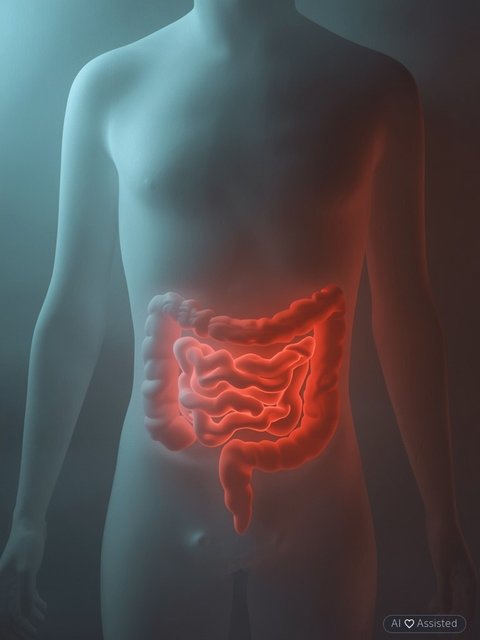
The therapeutic application of activated charcoal in diarrheal gastrointestinal disorders
The use of activated charcoal in facial skincare: properties, mechanisms of action, and application formats
The use of activated charcoal in oral hygiene: an evidence-based assessment of efficacy and safety
Activated charcoal: Recommended oral dosing protocols and precautionary usage guidelines
Medical-grade activated charcoal – current pricing, retail availability, and purchase options in brick-and-mortar and online pharmacies
Want to apply these guidelines in your daily diet?
Our smart diet generator creates a tailored meal plan in 3 minutes based on the recommendations in this article.
Tags

Literatura: Olson K.R.: Activated charcoal for acute poisoning: one toxicologist’s journey. J Med Toxicol. 2010 Jun;6(2):190-8. Chakravarthi A., Srinivas C.R., Mathew A.C.: Activated charcoal and baking soda to reduce odor associated with extensive blistering disorders. Indian J Dermatol Venereol Leprol. 2008 Mar-Apr;74(2):122-4. Kerihuel J.C.: Effect of activated charcoal dressings on healing outcomes of chronic wounds. J Wound Care. 2010 May;19(5):208, 210-2, 214-5. Reznickova A., Novotna Z., i wsp.: Gold, Silver and Carbon Nanoparticles Grafted on Activated Polymers for Biomedical Applications. J Nanosci Nanotechnol. 2015 Dec;15(12):10053-73. Brooks J.K., Bashirelahi N., Reynolds M.A.: Charcoal and charcoal-based dentifrices: A literature review. J Am Dent Assoc. 2017 Sep;148(9):661-670. Dorn M.: [Controlled clinical testing of an antidiarrheal]. MMW Fortschr Med. 2004 Aug 5;146 Suppl 2:57-60. Ziegenhagen D.J., Raedsch R., Kruis W.: [Traveler’s diarrhea in Turkey. Prospective randomized therapeutic comparison of charcoal versus tannin albuminate/ethacridine lactate]. Med Klin (Munich). 1992 Dec 15;87(12):637-9. Stein A., Voigt W., Jordan K.: Chemotherapy-induced diarrhea: pathophysiology, frequency and guideline-based management. Ther Adv Med Oncol. 2010 Jan;2(1):51-63.
Diets Premium Expert
Diets Premium team expert. Specializes in nutrition plans, strength sports, and training plans.