PRO
7 min read
Action of Fenugreek: Medicinal Properties and Uses


1 photo
620
Smart Voice
AI
0:00
0:00
Listen to the article content live
Table of Contents 6
PRO Content
PRO
This article is professional premium content (PRO) provided in its entirety.
There has been a growing interest in medicinal plants in recent times, which are utilized in the treatment and prevention of various ailments, in cosmetics, and in a healthy, sensible diet. The increasing popularity of plant-based products is due to the heightened health consciousness of consumers. One of the plants that deserves special attention is cassava, which contains numerous biologically active substances. Can natural cosmetics be produced from it? Where does cassava originate from? Answers to these questions can be found in the following description of cassava's medical properties.
01 / 06
*Trigonella foenum-graecum* L. (Fenugreek): Botanical profile, cultivation practices, and applications in phytotherapy and cosmetology
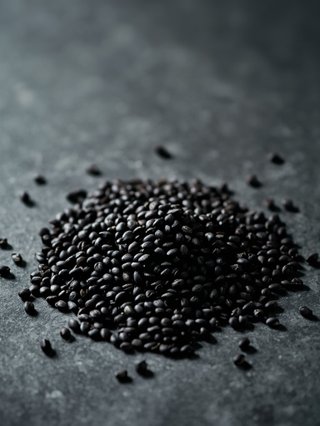
*Trigonella foenum-graecum* L., commonly referred to as **fenugreek**, represents an **annual herbaceous plant** of substantial agricultural and medicinal significance. Within Poland and across numerous European nations, it is primarily cultivated as a **forage crop**, though its applications extend well beyond this scope. Taxonomically, it belongs to the **legume family (*Fabaceae*)** and encompasses several dozen documented cultivars. In both scientific literature and folk traditions, it is recognized by multiple synonyms, including **Greek clover**, **Greek hay**, **medicinal fenugreek**, **Greek nard**, and **synagogica**. In its wild form, it is predominantly found in **Mediterranean regions**, though its natural distribution also spans **Pakistan, Turkey, Sudan, India, and China**. The most valuable raw material derived from this species—employed in **phytotherapy**, **conventional medicine**, and the **cosmetics industry**—comprises its **brown, highly aromatic seeds**. These seeds constitute the primary source of bioactive compounds responsible for fenugreek’s **therapeutic properties**. Morphologically, the seeds exhibit a **tetrahedral or rhomboid shape**, measuring **2–5 mm in length** and **1–3 mm in width**. Their surface is **subtly pitted**, with a **dull, rough texture**, serving as a key diagnostic feature of the species.
02 / 06
*Trigonella foenum-graecum* (fenugreek): A comprehensive analysis of its bioactive phytoconstituents and evidence-based health benefits
*Trigonella foenum-graecum* (commonly known as fenugreek) represents a botanical source of extraordinary pharmacological potential, attributable to its diverse array of bioactive phytoconstituents. The seeds are particularly rich in mucilaginous polysaccharides (20–60%), primarily galactomannans, which exert a protective effect on respiratory mucosal surfaces. Additionally, they contain steroid saponins (0.1–0.3%) with surfactant-like properties, utilized in expectorant and cardiotonic formulations. The flavonoid profile is dominated by vitexin, a cardioprotective compound that enhances coronary circulation and is suitable for prolonged use due to its low toxicity. Phytoestrogenic isoflavones and the rare amino acid 4-hydroxyisoleucine—which stimulates insulin secretion from pancreatic β-cells—further contribute to its therapeutic repertoire. Clinical evidence supports its hypolipidemic effects (reducing total cholesterol, LDL, VLDL, and triglycerides while elevating HDL), hypoglycemic activity (via delayed gastric emptying and inhibition of glucose absorption), anti-inflammatory potency (comparable to conventional NSAIDs), and neurocognitive benefits (through acetylcholine esterase inhibition and memory enhancement). Fenugreek also demonstrates antiallergic, diuretic, choleretic, cholekinetic, and smooth muscle relaxant properties, solidifying its role in both traditional medicine and modern nutritional supplementation.
03 / 06
Fenugreek in Cosmetics: Comprehensive Applications for Skin and Hair Care
The seeds of fenugreek (*Trigonella foenum-graecum*) are distinguished by their exceptionally high content of mucilaginous polysaccharides, which form a gel-like matrix upon hydration—a property that renders this botanical ingredient highly suitable for dermatological applications. The bioactive compounds within the mucilage create an occlusive barrier on the skin’s surface, effectively preventing transepidermal water loss (TEWL) while simultaneously soothing irritation and erythema. Fenugreek’s comprehensive nutritional profile, which includes B-complex vitamins (thiamine, riboflavin, niacin), vitamin C, and essential minerals such as iron, magnesium, zinc, and selenium, fortifies the skin’s hydrolipidic barrier and promotes cellular regeneration. Scientific evidence further supports the potent antimicrobial activity of fenugreek extracts, particularly against *Propionibacterium acnes* and *Staphylococcus epidermidis*, making it a valuable component in formulations for oily, combination, or acne-prone skin—including individuals with rosacea. Regular use of fenugreek-based rinses, toners, and masks accelerates epidermal turnover, refines skin texture, and diminishes the appearance of acne scars by stimulating the synthesis of type I and III collagen. In trichology, fenugreek has gained recognition primarily as a hair-root-strengthening agent that mitigates hair loss. A traditional scalp treatment prepared from ground seeds (often combined with castor or coconut oil)—despite its distinctive, broth-like aroma—demonstrates remarkable efficacy after several months of consistent application: users report increased hair density, improved elasticity, and reduced fragility. Many individuals also observe the regrowth of fine new hairs (*"baby hairs"*) in thinning areas, along with a noticeable improvement in scalp health, including reduced seborrhea and dandruff due to normalized sebum production.
04 / 06
Comprehensive guide to crafting therapeutic and cosmetic formulations with *Tragopogon pratensis* at home
*Tragopogon pratensis*, commonly referred to as goatsbeard, meadow salsify, or in some European traditions as "kozieradka," has long served as a valued botanical resource in both folk medicine and artisanal cosmeceutical formulations. This compilation presents meticulously documented procedures for preparing time-tested remedies—including tinctures, poultices, infusions, and topical applications—derived from this versatile herbaceous plant. The scope encompasses respiratory-supportive blends as well as nutrient-rich facial masks and hair treatments, with each formulation rooted in ethnobotanical practice and substantiated by contemporary phytochemical research.
05 / 06
Nourishing fenugreek seed infusion for hair structure revitalization and fortification
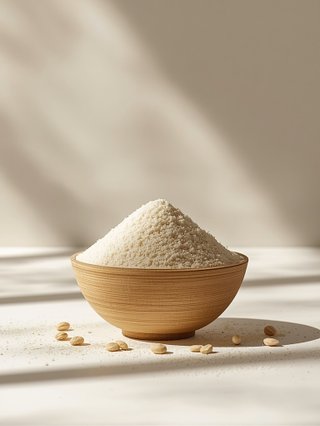
Required components for the preparation of the treatment: four level tablespoons of freshly ground fenugreek seeds (Trigonella foenum-graecum) combined with two hundred milliliters of freshly boiled water. The preparation process involves pouring the boiling water over the powdered seeds, thoroughly stirring the mixture until a uniform consistency is achieved, and then allowing it to steep for a period of thirty minutes, with occasional stirring every few minutes to prevent sedimentation of the active compounds. Once prepared, the solution should be transferred into a clean, needle-free syringe or an applicator bottle, after which it is methodically massaged into the scalp—particularly focusing on the root area—and along the base of the hair strands. Following application, the head should be tightly wrapped in transparent cling film or a dedicated cosmetic cap to enhance absorption of the bioactive constituents. After three hours, the film is to be removed, and the hair should be washed thoroughly with a gentle shampoo. Should the distinctive aroma of fenugreek persist, the procedure may be repeated after a few days. For optimal results, the treatment should be administered two to three times per week. Noticeable improvements, such as enhanced hair resilience and a reduction in excessive shedding, are typically observable after approximately four weeks of consistent use. Any unused portion of the mixture should be stored in an airtight container in a cool environment, preferably refrigerated, to preserve its potency and freshness for up to seven days.
06 / 06
Fenugreek seed infusion for soothing throat and vocal cord irritation
Composition and preparation guidelines:
– Two level tablespoons of fenugreek seeds (*Trigonella foenum-graecum*),
– One tablespoon of raw, unprocessed honey (preferably acacia or buckwheat varieties for their high enzymatic activity),
– Three to five thinly sliced pieces of fresh ginger root (*Zingiber officinale*),
– Freshly extracted juice from half of a ripe lemon (*Citrus limon*).
Preparation method: Place the fenugreek seeds in a heat-resistant vessel and pour 250–300 mL of boiling, filtered water over them. Cover and steep for 8–12 minutes to ensure maximal extraction of bioactive compounds, including saponins, alkaloids, and polyphenols. Once cooled to approximately 40–45°C (to preserve the honey’s enzymatic properties), incorporate the remaining ingredients: honey, ginger slices, and lemon juice. The prepared infusion should be consumed in a volume of one cup (200–250 mL) in the morning on an empty stomach and in the evening before sleep, with a maximum frequency of twice per day.
Therapeutic applications and mechanistic insights: This botanical infusion may alleviate symptoms of pharyngeal mucosa irritation, vocal hoarseness, or dryness of the vocal cords, particularly among individuals subjected to prolonged vocal strain (e.g., educators, professional singers). Fenugreek exhibits adaptogenic properties, with clinical evidence suggesting its potential to modulate endocrine function in males—specifically, certain studies indicate improvements in androgenic parameters, which may enhance libido and overall sexual health.
Nutritional and phytochemical profile: *Trigonella foenum-graecum* is a rich source of soluble fiber (galactomannans), steroidal saponins (e.g., diosgenin), alkaloids (trigonelline), flavonoids, and essential micronutrients such as iron, magnesium, and zinc. Its seeds are utilized not only in phytotherapy but also in cosmeceutical formulations (e.g., hydrating facial masks) and pharmaceutical preparations (e.g., lactation-support supplements or hypoglycemic agents). Available forms include whole or ground seeds, encapsulated extracts, loose-leaf tea, and liquid tinctures.
Dietary context and prevention of lifestyle-related diseases: Contemporary populations face a rising prevalence of diet-dependent disorders, whose pathogenesis is closely linked to suboptimal nutritional habits and physical inactivity. The most prevalent conditions include:
– Type 2 diabetes mellitus (insulin resistance),
– Class III obesity (BMI ≥ 40 kg/m²),
– Essential hypertension,
– Coronary artery disease (atherosclerosis),
– Select malignant neoplasms (e.g., colorectal, breast cancers),
– Inflammatory bowel diseases (Crohn’s disease, ulcerative colitis),
– Food allergies and atopic disorders.
Clinical nutrition in disease management: Dietary intervention serves as a cornerstone in both the prevention and treatment of these conditions. In early-stage presentations (e.g., prediabetes, mild hyperlipidemia), nutritional modification alone may suffice as a therapeutic approach. In advanced cases, clinical nutrition complements pharmacotherapy by optimizing drug metabolism and mitigating food-drug interaction risks.
Personalization of dietary regimens: When designing a therapeutic diet, a clinical dietitian considers:
1) The specific pathology (e.g., sodium restriction in chronic kidney disease, fructose limitation in malabsorption syndromes),
2) Current laboratory findings (e.g., lipid panel, glycated hemoglobin, electrolyte balance),
3) Concomitant medications (e.g., proton pump inhibitors affecting vitamin B12 absorption),
4) Cultural and gustatory preferences of the patient,
5) Time constraints (e.g., ready-to-eat meals for individuals with limited mobility).
Core principles of clinical diets include:
– Precise macronutrient ratios (e.g., 4:1 fat-to-carbohydrate+protein ratio in ketogenic diets for refractory epilepsy),
– Tailored micronutrient provision (e.g., increased selenium requirements in Hashimoto’s thyroiditis),
– Elimination of potential allergens or pro-inflammatory components (e.g., gluten in celiac disease, casein in autism spectrum disorders),
– Emphasis on seasonal, minimally processed foods (prioritizing whole grains, fermented products).
Benefits of clinical nutrition:
– Metabolic parameter stabilization (e.g., reduced insulin resistance via low-glycemic-index diets),
– Enhanced digestive comfort (e.g., low-FODMAP diet in irritable bowel syndrome),
– Facilitated tissue repair (e.g., high-protein intake during postoperative recovery),
– Mitigation of treatment-related adverse effects (e.g., anti-inflammatory diet during chemotherapy).
Conclusion: Fenugreek, a botanical with multifaceted health-promoting properties, may serve as a valuable adjunct in both the prevention and adjunctive treatment of select conditions. However, its use—like any dietary intervention—should be supervised by a healthcare professional, particularly in the context of preexisting medical conditions or concurrent medication use.
Meal Plan
Want to apply these guidelines in your daily diet?
Our smart diet generator creates a tailored meal plan in 3 minutes based on the recommendations in this article.

Scientifically reviewed by a clinical dietitian
• 25.09.2026
Król-Kogus B., Krauze-Baranowska M., Kozieradka pospolita – źródło związków o aktywności hormonalnej?, „Lek Roślinny” 2012, 68, 39–42. Król-Korgus B., Krauze-Baranowska M., Kozieradka pospolita (Trigonella foenum graecum L.) – tradycja stosowania na tle wyników badań naukowych, „Postępy Fitoterapii” 2011, 3, 185–191. Kilar M., Kilar J., Różański H., Wykorzystanie kozieradki pospolitej (Trigonella foenum-graceum L.) w zielarstwie i fitoterapii, „Herbalism” 2016, 1, 89–101. Szumny D. et al., Leki roślinne stosowane w chorobach układu oddechowego, „Dental and Medical Problems” 2007, 44, 507–515. Ratajczak A. et al., Suplementy diety w leczeniu cukrzycy typu 2, „Farmacja Współczesna” 2015, 8, 36–43.
Diets Premium Expert
Diets Premium team expert. Specializes in nutrition plans, strength sports, and training plans.
USDA FoodData Central
EFSA
PubMed Clinical Guidelines