Acerola – Properties, Vitamin C, Juice

Smart Voice
AITable of Contents 3
Barbados cherry (*Malpighia emarginata*) – cultivation, properties, and applications of acerola fruit
The Barbados cherry, scientifically designated as *Malpighia emarginata* (commonly referred to as acerola), is a tropical fruit-bearing shrub belonging to the *Malpighiaceae* family, indigenous to the Caribbean, Central America, and the Amazon Basin. Its cultivation thrives under stable thermal conditions, ideally within a range of 24–28°C, though it demonstrates moderate resilience to minor temperature fluctuations. Remarkably undemanding in terms of soil quality—adapting even to poor, sandy substrates—it lends itself well to domestic cultivation, whether propagated from seed or pre-rooted cuttings. Successful growth hinges on maintaining elevated humidity levels and a consistent irrigation regimen, while avoiding waterlogging. Patience is requisite, as fruiting commences only after a maturation period of three to four years; however, the reward is exceptionally nutrient-dense, vividly crimson berries renowned for their tart-sweet flavor profile.
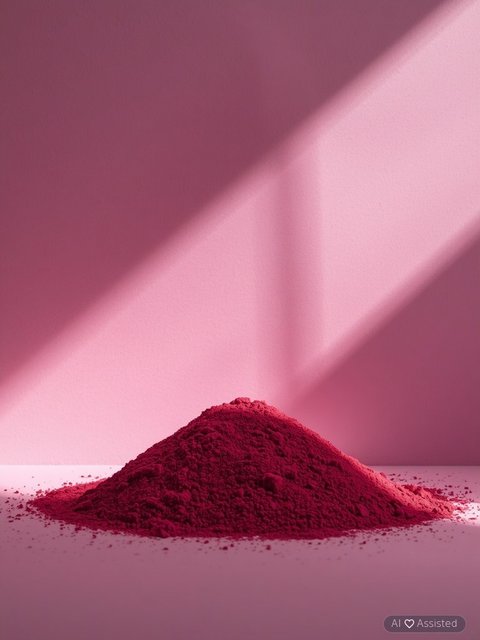
Owing to their extreme susceptibility to mechanical damage and an exceedingly brief post-harvest shelf life (merely days when fresh), acerola fruits are rarely shipped to Europe in their whole form. Instead, they enter the market as processed derivatives: freeze-dried powders, concentrated juices, vitamin supplements, or extracts incorporated into functional foods and pharmaceutical formulations. The harvesting process itself presents a formidable logistical challenge, necessitating meticulous handling to mitigate losses from the fruit’s fragile epidermis. What, then, accounts for the surging demand for acerola among nutritionists, functional food manufacturers, and the pharmaceutical sector?
Biochemical composition and health-promoting attributes of acerola fruit (*Malpighia emarginata*) – a detailed examination of benefits and practical limitations
Unpasteurized Barbados cherry (acerola) pulp-included juice: no added sugar, not from concentrate
Want to apply these guidelines in your daily diet?
Our smart diet generator creates a tailored meal plan in 3 minutes based on the recommendations in this article.
Tags

mgr Literatura: Joanna Igielska-Kalwat, Joanna Gościańska, Izabela Nowak, Karotenoidy jako naturalne antyoksydanty; Postepy Hig Med. Dosw (online), 2015; 69:418-428 Sandra Aparecida de Assis et al.; Acerola: importance, culture conditions, production and biochemical aspects; Fruits, vol. 63 (2) Arkadiusz Dobosz; Witamina C Fakty I Mity; Świat Przemysłu Farmaceutycznego; 01/2016 Ewa Cieślik, Agnieszka Gębusia; Charakterystyka właściwości prozdrowotnych owoców roślin egzotycznych; Postępy Fitoterapii 02/2012
Diets Premium Expert
Diets Premium team expert. Specializes in nutrition plans, strength sports, and training plans.