Abdominal hernia – recognizing symptoms, surgical treatment methods, and dietary recommendations during the recovery period

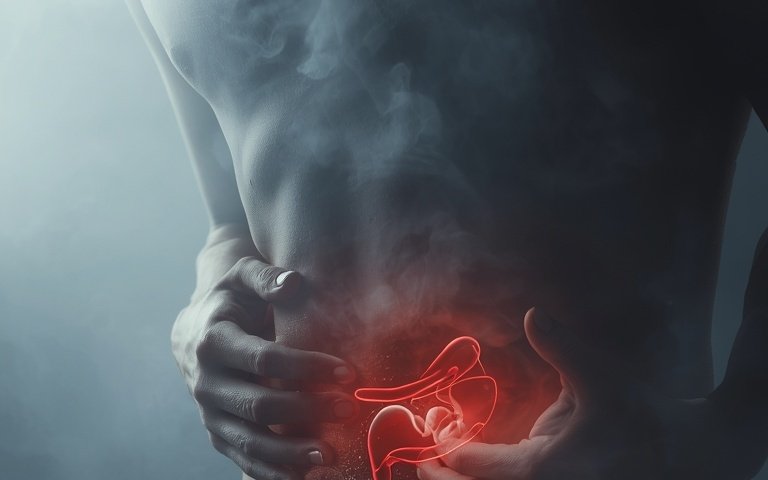
Table of Contents 4
Medical & Editorial Disclaimer (§3 Terms): This article is for informational and educational purposes only, does not constitute medical advice, diagnosis, or treatment, and is used at your own risk. Consult a qualified physician for medical conditions.
The development of a hernia is typically driven by sustained intra-abdominal pressure combined with structural weakness in the muscular or connective tissues. Factors such as chronic constipation, persistent coughing, or strenuous physical activity contribute to this process. Modern surgical approaches, particularly those utilizing tension-free mesh implants, are designed to repair the defect effectively and restore the integrity of the abdominal wall, significantly reducing the likelihood of recurrence.
Postoperative recovery relies heavily on clinical nutrition strategies aimed at maintaining digestive health and preventing abdominal distension. Prioritizing a diet rich in fiber and ensuring consistent hydration helps manage bowel function, thereby reducing unnecessary pressure on the surgical site. Patients are encouraged to work closely with their medical team to establish a personalized recovery plan that supports healing and long-term abdominal health.
The anatomical structures of the abdominal cavity, including the muscular wall and ligamentous support, play a vital role in maintaining internal organs in their physiological positions. An abdominal hernia develops when increased intra-abdominal pressure—triggered by strenuous physical exertion, chronic coughing, or persistent constipation—forces an organ fragment or adipose tissue through a weakened area of the abdominal wall. This condition carries significant health hazards, particularly the risk of incarceration or strangulation with compromised blood supply, demanding prompt clinical evaluation, surgical intervention, and appropriate dietary support.
Abdominal Hernia – Types, Etiology, and Risk Factors
Abdominal hernias are most commonly diagnosed either in young children due to congenital defects of the abdominal wall or in elderly patients experiencing age-related muscle atrophy and connective tissue weakening. The primary types of abdominal hernias include inguinal, femoral, umbilical, epigastric (linea alba), and incisional hernias resulting from prior surgical scars. Key risk factors elevating intra-abdominal pressure encompass obesity, heavy lifting, chronic constipation, pregnancy, cigarette smoking (which causes chronic bronchitis), and intense straining. Effective prevention centers on maintaining an optimal body weight, regular core-strengthening exercise, smoking cessation, and adequate fiber intake to prevent bowel strain.
Clinical Symptoms and Complications of Abdominal Hernia
The clinical presentation of an abdominal hernia depends on its anatomic site and progression. Early stages may be virtually asymptomatic or present merely with localized heaviness and vague discomfort. Over time, a palpable, soft protrusion develops, characteristically enlarging during coughing, straining, or upright standing. Common symptoms include localized aching, pulling sensations at the hernia orifice, abdominal bloating, and occasional nausea. The most alarming complication is incarceration and strangulation of the hernia sac, where trapped intestinal loops suffer acute ischemia, mechanical bowel obstruction, necrosis, and subsequent peritonitis, requiring emergent life-saving surgery.
Surgical Treatment Approaches: Open and Laparoscopic Hernioplasty
Conservative measures, such as supportive hernia belts, offer only temporary symptomatic relief and are strictly restricted to patients with severe surgical contraindications. Definitive management necessitates surgical repair, involving the reduction of herniated contents and structural closure of the abdominal defect. Modern hernioplasty relies heavily on tension-free techniques utilizing synthetic mesh implants, which dramatically reduce recurrence rates. Procedures are performed via open surgery or minimally invasive laparoscopy. Laparoscopic hernioplasty provides marked benefits: reduced postoperative pain, lower infection rates, faster resumption of normal activities, and minimal scarring.
Dietary Guidelines and Postoperative Recovery Strategies
Proper clinical nutrition plays a pivotal role in preventing hernia occurrence and ensuring smooth postoperative recovery. The overarching nutritional priority is eradicating constipation and abdominal distension, both of which spike intra-abdominal pressure and jeopardize surgical repairs. The core diet should feature adequate dietary fiber (25–35 g daily) derived from whole grains, oatmeal, legumes, fresh vegetables, and berries. Fiber intake must be scaled gradually alongside generous hydration (at least 2–2.5 liters of water daily). Meals should be light, easily digestible, and consumed in smaller portions every 3–4 hours. Flatulent foods, deep-fried meals, carbonated beverages, and alcohol should be strictly avoided during rehabilitation.
Want to apply these guidelines in your daily diet?
Our smart diet generator creates a tailored meal plan in 3 minutes based on the recommendations in this article.

Katarzyna Mazur
• 23.10.2026Diets Premium Expert
Diets Premium team expert. Specializes in nutrition plans, strength sports, and training plans.