A comparative examination of natural yogurt varieties: Key considerations for consumers
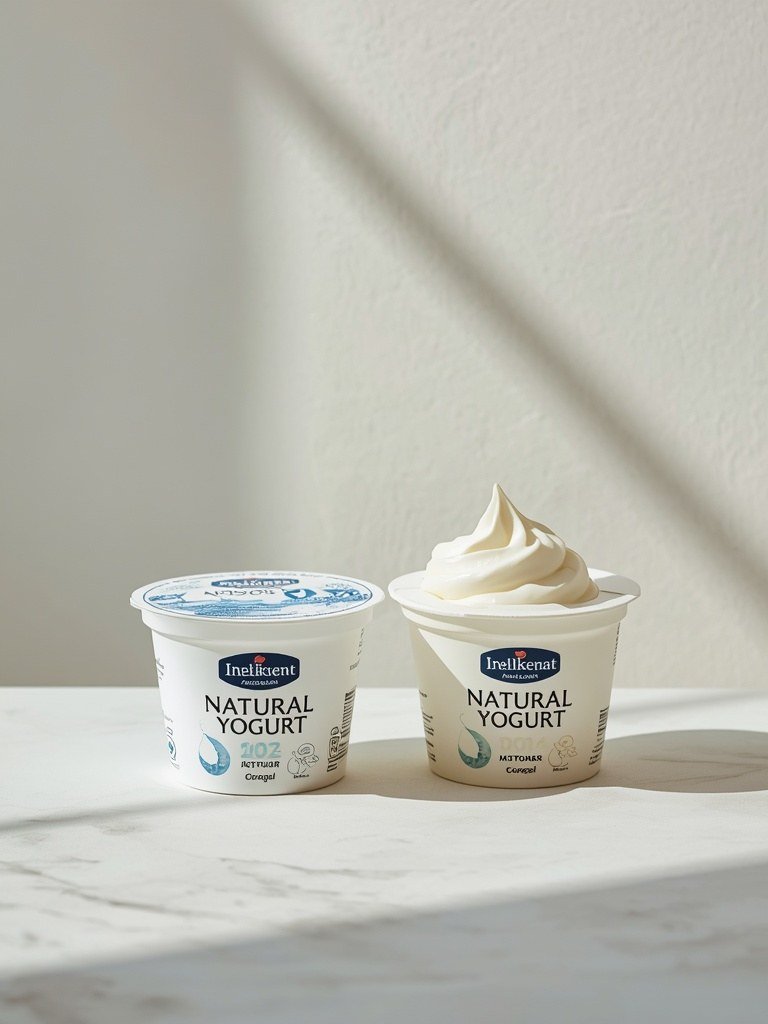
Table of Contents 15
This article is professional premium content (PRO) provided in its entirety.
While natural yogurts are broadly perceived as more nutritious than their sweetened, flavored, or dessert-style counterparts—which often fail to meet the technical definition of yogurt—substantial variations exist even within the "natural" category itself in terms of composition, production methods, and health implications. Not all commercially available options qualify as wholesome, health-promoting food products, a distinction that arises from differences in fat content, functional additives, and fermentation techniques employed during manufacturing.
How Natural Yogurt is Made: The Lactic Acid Fermentation Process
Natural yogurt represents an ancient cornerstone of fermented dairy foods. It is produced through the controlled lactic fermentation of pasteurized milk inoculated with specific thermophilic starter cultures: Lactobacillus delbrueckii subsp. bulgaricus and Streptococcus thermophilus. These microorganisms operate in precise mutualistic protocooperation: Streptococcus thermophilus rapidly acidifies the milk matrix by converting lactose into lactic acid, establishing an acidic milieu favorable for Lactobacillus bulgaricus, which in turn hydrolyzes milk caseins into stimulating free amino acids and small peptides. Authentic, artisanal yogurt consists solely of milk and viable lactic starter cultures, which must maintain a minimum viable concentration of 10⁷ CFU/g through product expiration. Marketing banners declaring 'no added sugar' on plain yogurt are purely rhetorical, as authentic yogurt processing never incorporates exogenous sucrose or sweeteners.
Nutritional Profile and Micronutrients in Natural Yogurt
A standard 100 g serving of plain traditional 2% milkfat yogurt delivers approximately 60 kcal, 3.5–4.0 g of high-biological-value protein (comprising both casein micelles and whey fractions), approximately 4.5 g of carbohydrates (chiefly partially metabolized lactose), and 2.0 g of lipids. Plain yogurt serves as an exceptional dietary reservoir of bioavailable ionic calcium—yielding 120–130 mg per 100 g (roughly 15% of the adult Recommended Dietary Allowance), with absorption optimized by the acidic lactic environment. Furthermore, it supplies bioavailable phosphorus (95 mg), potassium (155 mg), magnesium (12 mg), and substantial quantities of B-complex vitamins, notably riboflavin (vitamin B2) and cobalamin (vitamin B12).
Caloric Density and Low Glycemic Index of Natural Yogurt
With an energy density of approximately 50–65 kcal per 100 g, plain yogurt possesses a favorable, low caloric density, rendering it particularly advantageous for weight management protocols. Most notably, plain natural yogurt exhibits a low glycemic index (GI ~30–35). The presence of lactic acid, intact caseins, and lipids decelerates gastric emptying and slows intestinal carbohydrate cleavage, preventing postprandial hyperglycemic spikes. Consequently, unadulterated natural yogurt represents an exemplary, metabolically stabilizing option for individuals diagnosed with insulin resistance, prediabetes, and type 2 diabetes mellitus.
Is natural yogurt healthy?
Natural yogurt is rich in protein that supports muscle, bone, tendon, and joint health. It also provides a high amount of calcium, folic acid, vitamin B12, phosphorus, and magnesium. It is also worth mentioning that probiotics are effective in fighting pathogenic bacteria. They rebuild gut microflora, thus helping with constipation, diarrhea, and reflux. They also reduce the risk of diseases of the digestive system, such as stomach ulcers, because they act as a zoobutyric acid on the stomach and saline produced during digestion.
Probiotics in natural yogurt
The only additional but desirable ingredient may be probiotics. They are living cultures of lactic acid bacteria with health-promoting effects on the body of humans and animals, especially their food ducts. Probiotic bacteria: through their dense digestion in the food duct, they prevent the development of pathogenic microbes; they stimulate the immune system; they produce lactase, thereby reducing the effects of lactose intolerance; they facilitate the addition of iron, calcium and antibodies.
Unwanted additives in yogurt
Unwanted additives in natural yogurts are substances that are often used to improve the taste, texture or durability of a product but may adversely affect its nutritional and health value. These include: artificial densifiers, flavours, dyes and stabilizers, such as guar gum, carrageenan or modified starch. These substances can cause stomach upset, hypersensitivity and in some cases allergic reactions. N Natural yogurt should contain only milk and cultures of milk bacteria, so it is advisable to check the labels to select products that do not contain unnecessary added ingredients.
Comprehensive Comparative Nutritional Analysis Across Yogurt Types: Traditional, Greek, Skyr, Kefir, and Plant Alternatives
The functional food spectrum encompasses diverse fermented dairy and botanical formulations that diverge substantially in macronutrient density, physical consistency, and microbiological diversity:
1. Traditional Plain Yogurt: Standard lactic fermentation driven by L. bulgaricus and S. thermophilus. Provides approximately 60 kcal, 3.5–4.0 g protein, 1.5–3.2 g fat, 4.5 g lactose, and 120 mg calcium per 100 g. Offers a smooth, semi-fluid matrix ideal for foundational daily nutrition.
2. Authentic Greek Yogurt: Produced by physically straining liquid acid whey (or enriched with cream in commercial varieties). Yields 100–130 kcal (traditional whole milk) or ~60 kcal (0% light), 6–8 g protein, and 8–10 g fat in classic iterations. Straining eliminates significant lactose while concentrating caseins into a dense, velvety texture with enhanced gastric tolerance.
3. Icelandic Skyr: Cultured from skimmed milk and concentrated via ultra-filtration (requiring approximately 4 to 5 liters of skim milk per single kilogram of skyr). Yields an impressive 10–12 g of concentrated protein (principally micellar casein), negligible fat (< 0.5 g), and merely 60–65 kcal per 100 g. It exhibits the highest satiety index among fermented foods, making it the premier option for athletes and caloric deficit diets.
4. Artisanal Kefir: Cultured via symbiotic kefir grains harboring a unique matrix of lactic acid bacteria, acetic acid bacteria, and lactose-fermenting yeasts (Kluyveromyces marxianus, Saccharomyces). Provides ~50 kcal, 3.2–3.5 g protein, 1.5–2.0 g fat, and delivers unrivaled biodiversity (30 to 50 distinct microbial strains), natural micro-effervescence, and the unique bioactive polysaccharide kefiran, noted for robust immunostimulatory properties.
5. Plant-Based Yogurt Alternatives (Soy, Coconut, Oat/Almond): Crucial nutritional vehicles for vegans and individuals with cow's milk protein allergy (CMPA). Cultured soy alternatives stand out as the sole plant counterpart matching dairy protein concentration (~3.5–4.0 g/100 g) with a complete amino acid profile. Coconut yogurts provide a luscious texture enriched with saturated medium-chain triglycerides (MCTs), but contain negligible protein (< 1 g/100 g). Oat and almond alternatives offer low protein (1.0–1.5 g) but provide soluble beta-glucans. It is essential to choose unsweetened varieties systematically fortified with bioavailable calcium (calcium carbonate or Lithothamnium algae), vitamin D, and vitamin B12.
Optimal Fat Content in Yogurt – Why 0% Fat (Light) Products Are Suboptimal
Nutritional guidelines advocate selecting plain yogurts with moderate fat content (1.5–2.5% milkfat), while cautioning against ultra-defatted 0% fat ('light') varieties. Milkfat serves as the essential lipid matrix required for the absorption of fat-soluble vitamins (A, D, E, and K), and provides natural conjugated linoleic acid (CLA) exhibiting anti-inflammatory potential. Stripping all lipids compromises fat-soluble micronutrient assimilation and interferes with intestinal calcium absorption. Moreover, dietary lipids trigger cholecystokinin (CCK) secretion in the duodenum, signalling satiety to hypothalamic centers. To mask watery textures, 0% fat formulations frequently incorporate modified starches and hydrocolloid stabilizers, degrading overall nutritional integrity.
What kind of natural yogurt is healthiest?
Before choosing a natural yogurt, let's look at its composition. The shorter it is, the better. This ensures that it doesn't contain artificial sweeteners. Avoid products that contain condensants, such as bread meal and milk powder. In addition, we should be discouraged: aspartame, sugar, glucose-fructose syrup, modified starch. Healthy natural yogurts are made up of bacteria strains and milk.
What are the health benefits of natural yogurt?
The product supplies valuable probiotic bacteria that help maintain the balance of the gut microflora, thus regulating the digestive process, supporting weight loss, as well as improving the absorption of iron, phosphorus, calcium and vitamins, and supporting our immunity and anti-cancer prevention. 6 Natural yogurt also reduces the risk of diabetes and heart disease.
Can you eat yogurt every day?
Natural yogurt is an excellent source of high-bioavailability complete protein, providing all essential amino acids needed for tissue repair and satiety. In addition to live probiotic lactic acid bacteria that support intestinal microbiota balance, it delivers highly absorbable calcium, phosphorus, iodine, pantothenic acid (vitamin B5), riboflavin (vitamin B2), and cobalamin (vitamin B12).
Is that when you eat yogurt in the morning or in the evening?
If you want to avoid indigestion, make sure your dinner is light. Yogurt is relatively low in calories, so it doesn't contribute to weight gain. Research shows that it can help with insomnia. It contains tryptophan, which supports the production of melatonin and serotonin, which are the key hormones in the sleeping process. To prevent bone loss, you should eat yogurt at dinner 9.
Skyr, Traditional Yogurt, or Greek – How to Choose Based on Dietary Goals
Discriminating between Icelandic skyr, traditional plain yogurt, and Greek yogurt hinges on specific physiological targets and dietary frameworks. Skyr emerges as the definitive champion regarding protein-to-calorie ratio: delivering 10–12 g of intact casein protein per 100 g with under 0.5% fat and merely 60–65 kcal, it maximizes muscle protein synthesis and postprandial satiety during hypocaloric fat-loss protocols. Traditional plain yogurt (1.5–2.5% fat) serves as the all-around baseline choice, supplying balanced macronutrients, ionic calcium, and active starters that safeguard colonic and cardiometabolic equilibrium. Conversely, classic whole-milk Greek yogurt (8–10% fat) excels in low-carbohydrate paradigms, serving as a rich, nutrient-dense alternative to culinary sour cream and mayonnaise, or for individuals requiring calorie fortification without volume expansion.
Optimal Food Pairings for Natural Yogurt – Nutritional Synergy and Absorption
To harness the full therapeutic potential of plain yogurt, culinary pairings should leverage nutritional synergy. The most potent pairing unites yogurt with functional prebiotics and polyphenol-dense botanicals: fresh dark berries (blueberries, raspberries), chia seeds, ground flaxseed, walnuts, and rolled oats. Soluble fibers serve as vital metabolic fuel for colonic lactic acid bacteria, stimulating short-chain fatty acid (butyrate) synthesis. From a digestive physiology standpoint, combining yogurt with hyper-concentrated sugary syrups, industrial fruit jams, or sodas should be avoided, as simple sugars induce rapid intestinal dysfermentation and bloating. Conversely, incorporating yogurt into savory Mediterranean preparations with fresh garlic, extra virgin olive oil, and herbs (such as traditional tzatziki) introduces allicin, amplifying antimicrobial defense along the gastrointestinal tract.
Contraindications and Precautions – Cow's Milk Protein Allergy vs. Lactose Intolerance
Although natural yogurt is a nutrient-dense whole food, distinct clinical conditions necessitate its moderation or complete elimination. It is medically imperative to delineate between Cow's Milk Protein Allergy (CMPA) and Lactose Intolerance:
1. Cow's Milk Protein Allergy (CMPA): Represents an immunological hypersensitivity (IgE-mediated or non-IgE-mediated) directed against milk protein fractions, predominantly caseins, beta-lactoglobulin, and alpha-lactalbumin. Ingesting dairy proteins in sensitized individuals can provoke acute urticaria, angioedema, atopic dermatitis exacerbation, severe gastrointestinal enteropathy, or life-threatening anaphylaxis. For this population, all bovine dairy products are strictly contraindicated; cultured plant-based alternatives (such as fortified soy or coconut yogurts) represent the only safe dietary substitute.
2. Lactose Intolerance: Derives from a non-immune enzymatic deficiency of brush-border lactase. Crucially, the majority of individuals with hypolactasia comfortably tolerate traditional cultured yogurt. During lactic fermentation, bacterial starter cultures metabolize 30% to 50% of intrinsic lactose into lactic acid. Moreover, viable lactic bacteria deliver active microbial beta-galactosidase (lactase) into the duodenal lumen, facilitating lactose hydrolysis in vivo. For severe cases, enzymatically treated lactose-free yogurts are widely accessible.
Scientific Bibliography: U.S. Department of Agriculture (FoodData Central: Plain Yogurt); Companys J. et al., Adv Nutr, 2020 (Fermented Dairy and Cardiometabolic Health); Eales J. et al., Therap Adv Gastroenterol, 2017 (Probiotics in Gastrointestinal Discomfort); Wu L. et al., Nutrients, 2017 (Yogurt Consumption and CVD Meta-Analysis); St-Onge M.P. et al., Adv Nutr, 2023 (Dairy Nutrition, Tryptophan, and Sleep Quality).
Want to apply these guidelines in your daily diet?
Our smart diet generator creates a tailored meal plan in 3 minutes based on the recommendations in this article.
Tags

Isabella Taylor
Diets Premium Expert
Diets Premium team expert. Specializes in nutrition plans, strength sports, and training plans.