6 Best Ways to Use Healthy Fruits and Vegetables
Table of Contents 6
Summer provides us with an unparalleled abundance of fresh fruits and vegetables, yet even during the colder months, the human body requires a continuous supply of vitamins, minerals, and antioxidants to maintain a robust immune system. A balanced diet rich in plant foods is scientifically proven to protect against chronic diseases and strengthen the body's natural defenses. Therefore, in this comprehensive guide, we present six evidence-based and proven methods to benefit from the full nutrient density of fruits and vegetables all year round.
Gentle Freezing: Preserving Vitamins Through Cold
Freezing is one of the most effective methods for preserving the nutrients found in fresh fruits and vegetables almost entirely. Because metabolism and enzymatic processes are abruptly halted at extremely low temperatures, vitamin loss is minimized over months of storage. An essential step for vegetables is brief blanching beforehand to deactivate enzymes that could otherwise degrade color and flavor.
Ensure that produce is frozen quickly and in portion-controlled quantities to prevent the formation of large ice crystals, which can rupture delicate cell structures. In this way, berries, broccoli, or spinach retain their high content of vitamin C and phytochemicals with virtually no loss.
Fermentation: Living Enzymes and Probiotics for the Gut
Fermentation is one of the oldest and healthiest preservation methods in human history. Through the process of lactic acid fermentation, natural probiotics are produced, which support a healthy gut microbiota and significantly contribute to strengthening the immune system. Sauerkraut, kimchi, or fermented beets are veritable nutrient powerhouses.
Furthermore, fermentation increases the bioavailability of certain minerals such as iron and zinc by breaking down anti-nutritional factors. Regular consumption of fermented vegetables not only promotes digestion but also optimizes the synthesis of important B vitamins within the digestive tract.
Gentle Dehydration: Concentrated Nutrients On the Go
Dehydrating or drying fruits and vegetables removes water from the foods, depriving microorganisms of an environment to thrive and ensuring long-term preservation. Whether apples, tomatoes, or mushrooms, properly dried foods retain a large proportion of their dietary fiber as well as heat-stable minerals and vitamins.
When drying using a household dehydrator, temperatures should not exceed 45–50 degrees Celsius to protect delicate enzymes and vitamins such as vitamin C. Dried fruits and vegetable chips also serve as an excellent, fiber-rich alternative to industrial snack products.
Fresh Juices and Smoothies: Fast Micronutrient Boosters
Smoothies and freshly pressed juices are an excellent way to easily incorporate a large volume of raw fruits and vegetables into your daily diet. While juices supply the body quickly with easily digestible vitamins and fluids, smoothies score high with their valuable content of soluble and insoluble dietary fiber, which promotes satiety.
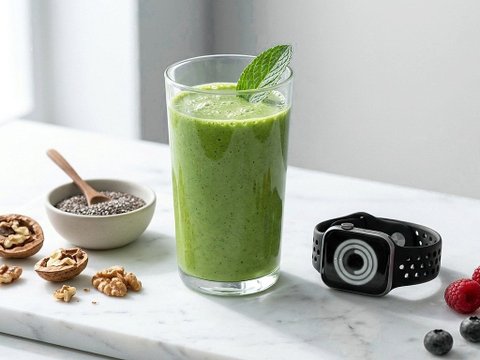
When preparing juices, it is advisable to prioritize vegetable content to keep blood sugar levels stable and regulate fructose intake. A green smoothie with spinach, cucumber, lemon, and an apple delivers a powerful punch of chlorophyll and antioxidants to start your day right.
Gentle Cooking Methods: Maximum Nutrient Retention
Not all vegetables should be consumed raw; certain varieties such as carrots, tomatoes, or asparagus actually unlock their health benefits through targeted, gentle heating. For instance, heat exposure makes the powerful antioxidant lycopene in tomatoes significantly more bioavailable to the human body.
To protect water-soluble vitamins like vitamin C and the B-complex from leaching into boiling water, steaming, micro-steaming, or gentle sautéing with minimal fat should be prioritized. Furthermore, the cooking liquid from steamed vegetables can be wonderfully repurposed as a nutrient-dense base for soups and sauces.
Smart Leftover Management: Culinary Creations Against Food Waste
Mindful management of fruits and vegetables protects both your wallet and the environment. Frequently, edible parts such as carrot tops, broccoli stalks, or beet leaves are discarded, even though they are rich in valuable minerals, chlorophyll, and phytochemicals. For instance, carrot greens can be wonderfully transformed into a flavorful homemade pesto.
Overripe fruits that no longer look appealing are perfect for preparing sugar-free compotes, baking healthy whole-grain goods, or serving as natural fruit purees in morning oatmeal. This approach fully unlocks the potential of plant foods while actively supporting a sustainable lifestyle.
Want to apply these guidelines in your daily diet?
Our smart diet generator creates a tailored meal plan in 3 minutes based on the recommendations in this article.
Tags

mgr Max Müller
Diets Premium Expert
Diets Premium team expert. Specializes in nutrition plans, strength sports, and training plans.