5 Natural Probiotics You Can Make at Home
Smart Voice
AITable of Contents 6
This article is professional premium content (PRO) provided in its entirety.
Since ancient times, people have been interested in health by studying the impact of plants and food on the health condition and regenerative abilities of the body. In the past, it was believed that fermented milk beverages were beneficial for the digestive system. Over time, the existence of gut flora was discovered, and research on it continues to this day. Our current understanding of the human ecosystem is still relatively small, but we know that the intestinal system itself contains around 100 trillion bacteria belonging to over 100 different species. Most of them are non-edible organisms. Each person has their unique pattern of intestinal bacteria, similar to fingerprints, which is exclusive to them. However, the composition of bacteria is not static and can change under the influence of factors such as diet, pharmacotherapy, antibiotic therapy, drugs, or stress. A destroyed gut flora can, however, be rebuilt by consuming probiotic products or preparations.
Homemade Dairy Beverages: Kefir and Yogurt
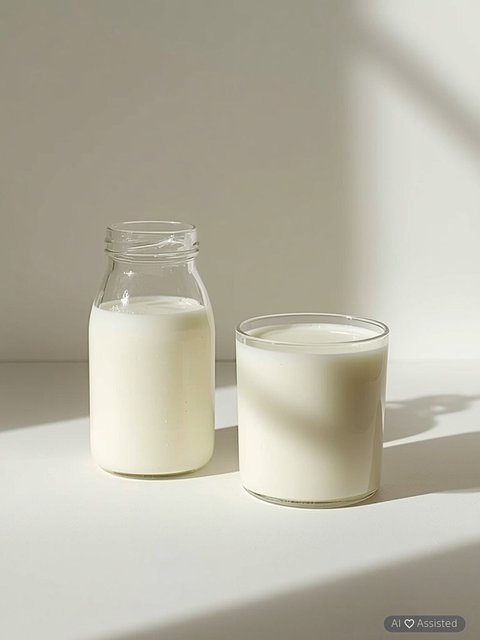
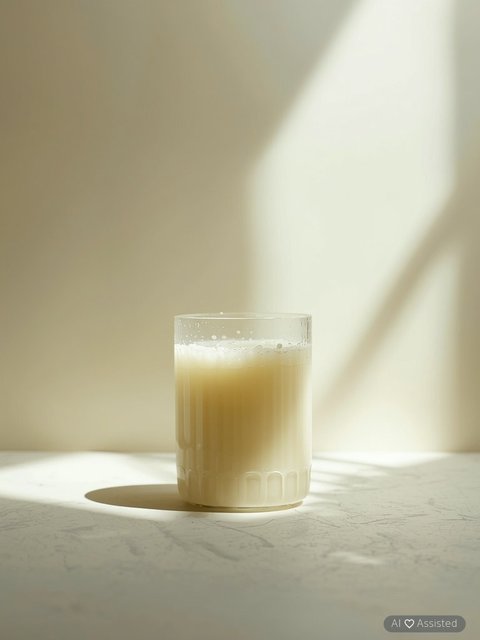
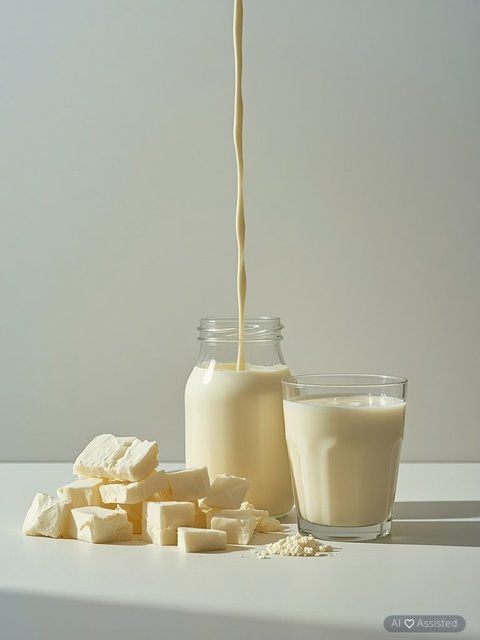
Fermented dairy products are among the oldest and most valuable natural probiotics known to humanity. Making yogurt and kefir at home is straightforward and allows you to maximize the count of live lactic acid bacteria while remaining free from artificial additives and preservatives. To prepare yogurt, pasteurized milk is heated to around 42-45 °C and inoculated with active yogurt cultures or a spoonful of plain yogurt. Kept at a warm, steady temperature, the bacteria multiply and ferment lactose into lactic acid, resulting in a thick consistency. Kefir, on the other hand, is produced using specific kefir grains—a symbiotic culture of lactic acid bacteria and yeasts. Consuming these beverages promotes gut health, improves lactose tolerance, and sustainably strengthens the immune system.
Traditional Vegetable Pickles: Cucumbers and Cabbage
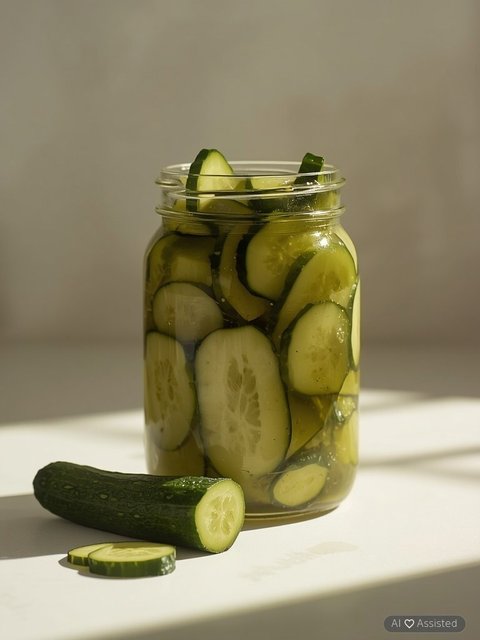
Traditional lactic acid fermentation of vegetables is a millennia-old preservation method that simultaneously generates an abundance of probiotic microorganisms and bioactive compounds. Sauerkraut and pickled cucumbers are among the most popular and effective representatives of this category. The process relies on the activity of naturally occurring lactic acid bacteria on the surface of the vegetables, which convert sugars into lactic acid under anaerobic conditions. This low pH environment preserves the vegetables while creating an ideal habitat for beneficial microbes. Homemade vegetable ferments are rich in vitamin C, dietary fiber, and enzymes that stimulate digestion, help regulate cholesterol levels, and protect the intestinal mucosa.
Traditional Bread Kvass
Bread kvass is a traditional fermented cereal beverage deeply rooted in Eastern European culinary culture. It is produced through the combined alcoholic and lactic acid fermentation of rye bread, water, sugar, and yeast. The result is a refreshing, slightly effervescent drink rich in B-complex vitamins, organic acids, and live probiotic cultures. Making it at home involves toasting rye bread crusts, which are then steeped in warm water with sugar and a small starter of yeast or sourdough. After a few days of fermentation, the liquid is strained and bottled. Bread kvass effectively quenches thirst, supports digestive processes, regulates metabolism, and aids in restoring gut flora after physical exertion.
Active Sourdough: Rye or Beet Ferment
Sourdough is not only the foundational element for artisanal bread and traditional soups like Polish żurek, but also an outstanding source of active lactic acid bacteria. A classic rye sourdough is created through the prolonged fermentation of rye flour and water, where wild yeasts and lactobacilli work in tandem. Similarly, traditional beet ferment (barszcz zakwas) is prepared by soaking raw beets with garlic, spices, and water. During a multi-day fermentation process, beneficial bacteria multiply rapidly, making the final liquid rich in antioxidants, iron, and probiotics. Although boiling the soup inactivates a portion of the live bacteria, valuable fermentation byproducts and organic acids remain intact, exerting a beneficial effect on the digestive tract.
Fermented Soy Products: Tempeh and Miso
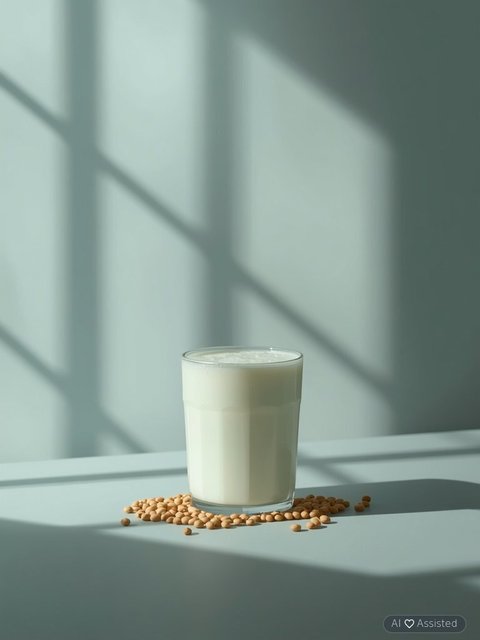
Fermented soy products such as tempeh and miso represent the rich tradition of Asian fermentation craftsmanship and are increasingly valued in Western nutritional science. Tempeh, originally from Indonesia, is produced by the controlled fermentation of whole soybeans using the beneficial mold *Rhizopus oligosporus*. The result is a firm, nutty-tasting block rich in highly digestible protein and probiotic metabolites. Miso, on the other hand, is a traditional Japanese seasoning paste made from fermented soybeans, salt, and koji starter (*Aspergillus oryzae*), aged for months or even years. Both products provide essential amino acids, B-group vitamins, and live microorganisms that enrich the gut microbiome, modulate immune function, and support overall cardiovascular health.
Traditional Asian fermented soy derivatives: tempeh, miso paste, and natto – characteristics, preparation methods, and health benefits
Want to apply these guidelines in your daily diet?
Our smart diet generator creates a tailored meal plan in 3 minutes based on the recommendations in this article.

mgr Literatura: Nowak A. i wsp. Probiotyki – historia i mechanizmy działania. ŻYWNOŚĆ. Nauka. Technologia. Jakość, 2010, 4(71), 5-19. Trząskowska M. Probiotyki w produktach pochodzenia roślinnego. ŻYWNOŚĆ. Nauka. Technologia. Jakość, 2013, 4(89), 5-20. Nowak A. i wsp. Probiotyki – efekty zdrowotne. ŻYWNOŚĆ. Nauka. Technologia. Jakość, 2010, 4(71), 20-36. Szajewska H. Probiotyki w Polsce – jakie, kiedy i dlaczego? Gastroenterologia Kliniczna 2010, 2(1), 1-9. Cichy W. i wsp. Probiotyki jako alternatywne rozwiązanie i wsparcie terapii tradycyjnych. Zakażenia 6/2010. Przepis na kwas chlebowy: http://beszamel.se.pl/napoje/domowy-kwas-chlebowy-jak-zrobic-przepis,8652/ Dostęp: 10.10.2018
Diets Premium Expert
Diets Premium team expert. Specializes in nutrition plans, strength sports, and training plans.