PRO
6 min read
5 Most Harmful Substances for the Liver
1 photo
487
Smart Voice
AI
0:00
0:00
Listen to the article content live
Table of Contents 8
PRO Content
PRO
This article is professional premium content (PRO) provided in its entirety.
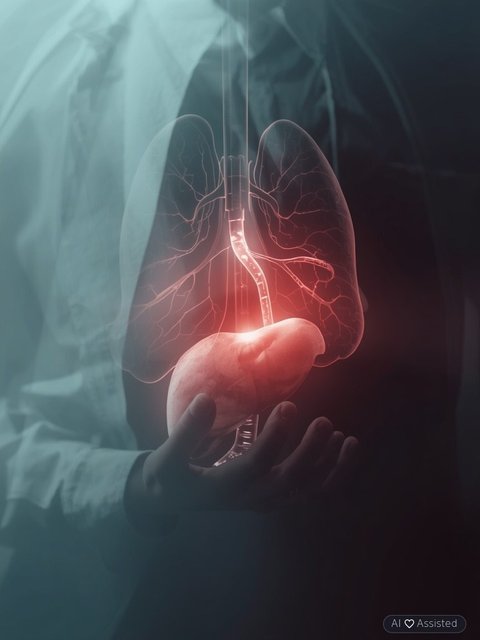
The liver constitutes one of the fundamental organs in the human body, performing numerous key functions. To ensure its functionality, it is necessary to abstain from numerous substances that have a negative impact on its condition and may lead to various liver diseases such as fatty liver disease, inflammation, fibrosis, and liver failure.
01 / 08
Structure of the liver
The liver is the largest internal organ in the human body, weighing approximately 1.5 kg. It primarily consists of hepatocytes (80%), stellate cells (16%) and biliary epithelial cells (4%). The liver is surrounded by a serous membrane, under which lies the subserous tissue and fibrous membrane. The organ is divided into four lobes: the right, left, caudate and quadrate lobes, with the majority located on the right side of the abdominal cavity, under the diaphragm (A. Michajlik, W. Ramatowski 1998; B. Gołąb, W. Graczyk 1997).
02 / 08
The liver's functioning
The liver performs a range of tasks essential to the human body. These include storing components such as vitamins and glycogen, producing and excreting bile, transforming nutrients and vitamins, detoxifying poisons and drugs, participating in fat metabolism, and executing protective functions.
03 / 08
Psychoactive Substance – Ethanol
Alcohol is one of the most common causes of liver diseases. It is worth noting that the consumption of beverages with varying alcohol concentrations such as beer, wine, or vodka damages the liver by causing inflammatory reactions in its cells. Alcohol metabolism primarily takes place in the liver, making it particularly vulnerable to its harmful effects. It is also worth mentioning that alcohol is one of the most frequently used addictive substances worldwide. Excessive alcohol consumption can lead to a variety of health problems, including steatosis (90% of consumers), inflammation (40% of consumers), fibrosis (15-30% of consumers), and cirrhosis. Acute alcoholic liver failure and cirrhosis are associated with high mortality rates. The mortality rate of acute alcoholic liver failure can reach up to 50% (O. Bąbała, J. Działo, W. Deptuła 2011; M. Szymańska et al. 2011). The safe dose of alcohol is estimated to be 2 drinks per day for men and 1 drink per day for women, which is equivalent to 360 ml of beer, 150 ml of wine, or 45 ml of 40% vodka. The alcohol content in selected beverages is as follows: – beer 5% (250 ml) – 10 g pure alcohol, – wine 12% (100 ml) – 10 g pure alcohol, – alcoholic beverages 18% (70 ml) – 10 g pure alcohol, – vodka 40% (30 ml) – 10 g pure alcohol.
04 / 08
Sugar, a constituent with detrimental consequences for the liver
The subsequent product that has harmful effects on the liver is sugar, which is processed and stored in this part of the body. Excessive intake of this component can lead to liver fatigue or inflammation resulting in damage. It is also crucial to consider that additional calories are delivered together with sugar, which can lead to weight gain in the long run and excess body weight also adversely affects liver function. It is noteworthy that sugar is present in many routinely consumed products such as breakfast cereals, fruit yogurts, or cereal bars, hence it is advisable to read labels and select products with a low sugar content.
05 / 08
Processed Meat Commodities
Excessive intake of processed meat products (e.g. bacon, sausages, hot dogs) can have a detrimental effect on liver health. Meat constitutes a vital component of human diet, being a source of complete proteins, as well as minerals and vitamins.
06 / 08
Fast-food products
Another example of foods that have a detrimental impact on the liver are fast-food products. They are most frequently consumed by individuals who lack time to prepare a balanced and healthy meal and by children. Frequent consumption of fast-food products (e.g., hamburgers, fries) high in energy and with a high amount of fat, salt, and sugar can contribute to rapid weight gain, which in turn can have negative consequences for the liver. Why? Because overweight and obesity are among the risk factors for liver diseases. The consumption of fast-food products may also lead to other negative health outcomes, such as digestive problems, development of type 2 diabetes, and increased risk of heart and kidney diseases.
07 / 08
This chemical compound referred to as salt
Excessive consumption of salt can also lead to liver problems. According to the latest recommendations, adults should not consume more than 5 grams of salt per day (a single teaspoon). An excessive salt intake can also increase the risk of other cardiovascular diseases, kidney stones, osteoporosis, or cancer. It is recommended to limit the consumption of both salt-rich foods and processed products containing large amounts of salt. It is worth checking the information on product labels and choosing products with a lower salt content or without added salt. Salt can be replaced by aromatic herbs such as thyme, rosemary or mint. Salt is present in various food products: – bread (100 g) – 1.0–1.2 g salt, – processed meat (100 g) – 1.5–2.3 g salt, – smoked fish (100 g) – 0.6–2.7 g salt, – cottage cheese (100 g) – 0.10 g salt, – ketchup (100 g) – 2.40 g salt, – tofu (100 g) – 0.05–1.1 g salt.
08 / 08
How to support the liver? Recommendations for a healthy diet that protects this organ
To take proper care of one's liver, it is important to avoid harmful food products that can negatively impact its function. However, avoiding only unhealthy products is not sufficient - it is also recommended to ensure a healthy dietary lifestyle that supports liver function. To achieve this, one should follow a few guidelines regarding nutrition. It is recommended to eat regular meals, avoid snacking between meals, and not eat meals before bedtime and at night. The diet should include a large amount of fruits and vegetables, which are a source of many nutrients, including vitamins, minerals, and dietary fiber. It is recommended to consume at least 400 g of fruits and vegetables per day, preferably colorful. It is also important to limit the consumption of products that are high in saturated fats, such as animal products, and instead consume products that contain unsaturated fats, such as nuts, avocado, rapeseed oil, and olive oil. Fish should also be included in the diet, as it is a source of omega-3 fatty acids that support brain and heart function. In one study, it was found that the intake of omega-3 fatty acids had a positive impact on the treatment of liver fat. It is also important to limit the consumption of red meat and processed meat products due to their high content of saturated fats, salt, and sugar. In the case of obesity, it is advisable to aim for a slow weight loss, but one should also not aim for too rapid weight loss as this can be harmful to the liver.
Meal Plan
Want to apply these guidelines in your daily diet?
Our smart diet generator creates a tailored meal plan in 3 minutes based on the recommendations in this article.
Tags

Scientifically reviewed by a clinical dietitian
• 22.03.2026
Bąbała O., Działo J., Deptuła W., Alkohol a zdrowie, „Kosmos” 2011, 60(1–2), 189–195. Gołąb B., Traczyk W.Z., Anatomia i fizjologia człowieka, Łódź 1997. McLaughlin D., Stamford J., White D., Fizjologia człowieka, Warszawa 2009. Michajlik A., Ramatowski W., Anatomia i fizjologia człowieka, Warszawa 1998. Szymańska M. et al., Alkoholowa choroba wątroby w praktyce lekarskiej, „Medycyna Ogólna i Nauki o Zdrowiu” 2011, 17(3), 148–154.
Diets Premium Expert
Diets Premium team expert. Specializes in nutrition plans, strength sports, and training plans.
USDA FoodData Central
EFSA
PubMed Clinical Guidelines