10 Benefits of Consuming Manuka Honey


Table of Contents 7
New Zealand manuka honey: A distinctive bee-derived product with documented bioactive properties
Distinctive bioactive attributes and therapeutic characteristics of *Leptospermum scoparium* (manuka) honey
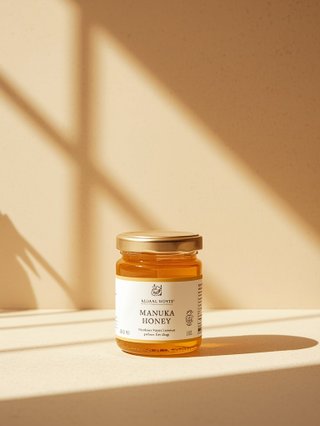
The principal bioactive constituent underpinning the exceptional therapeutic properties of manuka honey is methylglyoxal—a potent organic compound with robust antibacterial activity, the concentrations of which in this apicultural product far exceed those found in conventional honey varieties. This compound originates from the nectar of the New Zealand tea tree (*Leptospermum scoparium*), commonly referred to as manuka. Beyond methylglyoxal, the honey’s distinctive biological profile is further enriched by an array of polyphenols—plant-derived secondary metabolites renowned for their antioxidant capabilities. Among these, flavonoids and phenolic acids play a pivotal role, endowing darker honey variants, including manuka honey, with the capacity to scavenge reactive oxygen species. This biochemical mechanism contributes to a diminished risk of oxidative stress-related pathologies, encompassing neurodegenerative disorders such as Alzheimer’s disease and Parkinson’s disease, as well as inflammatory conditions, viral infections, and age-associated degenerative processes like senile cataract formation and atherosclerotic vascular disease.
Therapeutic and prophylactic applications of manuka honey in contemporary medicine: from antibacterial interventions to adjunctive oncology support
Therapeutic use of Manuka honey in the treatment of common acne and methods of its facial skin application
The impact of Manuka honey on glycemic control in diabetic patients and its potential role in the treatment of diabetic foot ulcers
Manuka honey in pediatric nutrition: guidelines, appropriate dosing, and precautionary considerations for parents
Manuka Honey: Comprehensive Analysis of Its Therapeutic Properties, Dietary Applications, and Expert Evaluations
Want to apply these guidelines in your daily diet?
Our smart diet generator creates a tailored meal plan in 3 minutes based on the recommendations in this article.
Tags

Literatura: Basista K. 2013. Właściwości biologiczne i prozdrowotne miodu oraz jego zastosowanie jako zdrowa żywność. Gazeta Farmaceutyczna, marzec, 26-28. Hołderna – Kędzia E., Kędzia B. 2006. Badania nad przeciwutleniającymi właściwościami miodu pszczelego. Acta Agrobotanica, 59, 265-269. Kędzia B., Hołderna – Kędzia E. 2016. Perspektywy wykorzystania miodu manuka w leczeniu chorób wewnętrznych. Postępy Fitoterapii, 1, 55-58. Wilczyńska A. 2013. Skład chemiczny i właściwości antyoksydacyjne miodu manuka. Problemy Higieny i Epidemiologii, 94(4), 873-875. Wojtacki M. 1988. Produkty pszczele i przetwory miodowe. Państwowe Wydawnictwo Rolnicze i Leśne, Warszawa Bogdan Kędzia, Elżbieta Hołderna-Kędzia.(2015), Aktywność antybiotyczna miodu manuka i jego działanie na drobnoustroje chorobotwórcze dla człowieka. Post Fitoter; (16)4: s. 258-262
Diets Premium Expert
Diets Premium team expert. Specializes in nutrition plans, strength sports, and training plans.